


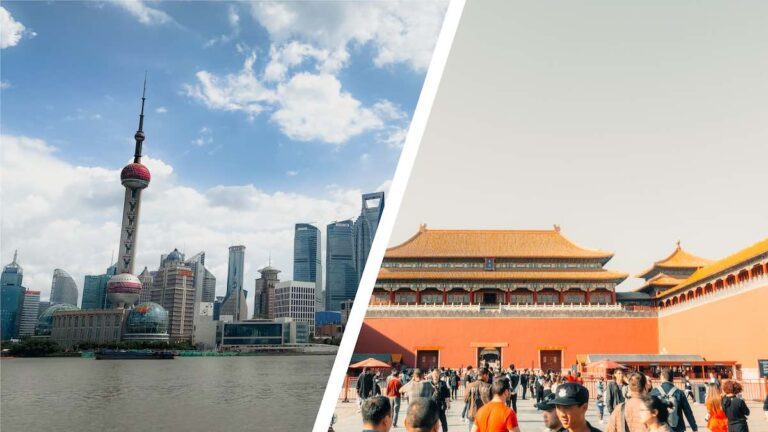
I lived in Beijing for 2 years and Shanghai for a year. So I know which one to choose for which traveler!
It’s rather unique to have lived in both cities as a foreigner. We moved to Beijing for my wife’s job, and later to Shanghai for a job opportunity for me.
So, Shanghai vs Beijing. Which one to choose? The lame answer is that it totally depends on what you want. Both cities are very different, and each has real pros and cons:
Do you want culture/a culture shock/history/famous landmarks? Go to Beijing. Do you want an easier experience (but still with Chinese culture)/incredible skyline/shopping/and just a fun weekend away? (Perhaps with some friends) Go to Shanghai.
Do both if you can (really). They are only 4.5 hours apart by high-speed train (which is a cool experience in itself), and the cities complement each other perfectly. Buy a train ticket on Trip.com (super easy), costs around 80 dollars (depending on time), and go to the other city just for a day or two. This is honestly the best thing to do in China.
Here's a pro tip: If you're nervous about visiting China, start with staying in Shanghai. But, just see how it goes the first few days, and if you have time, you can always cancel your hotel in Shanghai for a few nights (often up to 24 hours before). Then, if you like China, just book train tickets on Trip.com to Beijing (super duper easy, and you'll get designated seats, so no need to worry about if you have a seat or not) for the next day, book a hotel in Beijing and visit both. This way, you're not attached to anything, and you can decide while you're there.
Scroll down for my raw and honest breakdown!
Shanghai vs Beijing: the Full Comparison
Here I’ll discuss the differences in the vibe, things to do, food, culture, costs, nightlife, accessibility, and getting around:
The Vibe
One of the biggest differences between these two cities is the vibe.
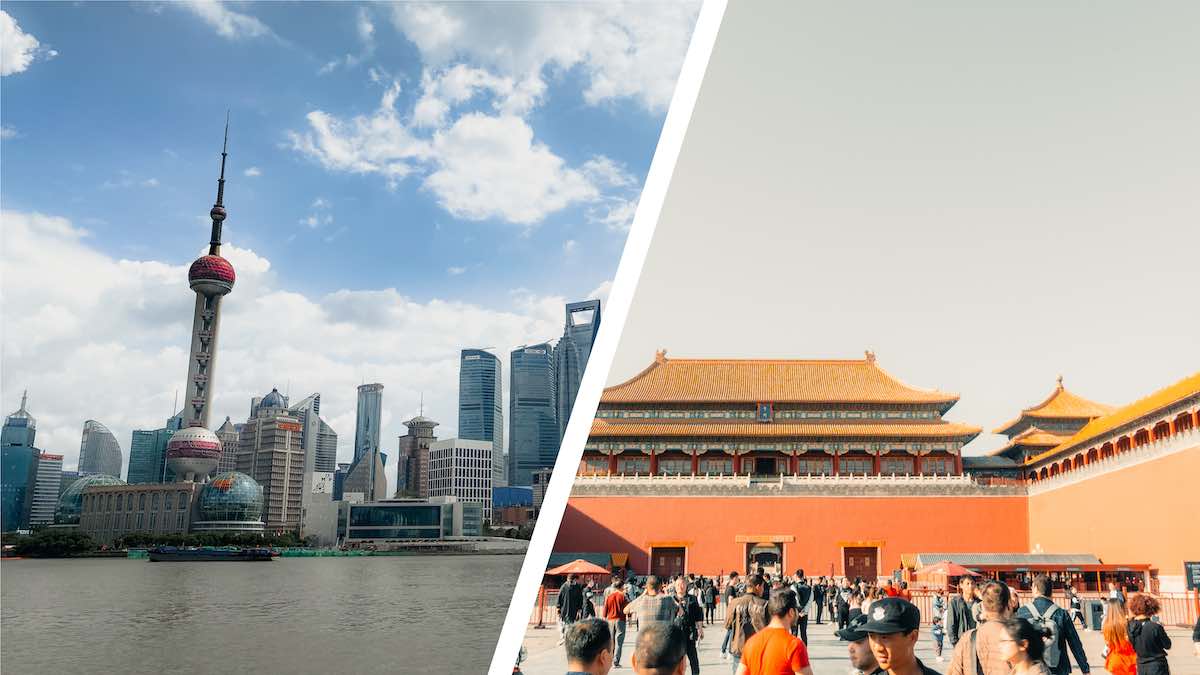
Shanghai feels like a modern and often European city in China. Walking through the Former French Concession feels a little bit like Paris with Chinese characteristics. The Bund, on the other hand, is one of the most impressive and futuristic skylines I’ve ever seen.
Beijing is more ‘local’, and foreign influence is there, but it is not like it is in Shanghai. You hear way more Chinese being spoken around you. You see way fewer Westerners. And the overall feeling is “I am in China,” in a way that Shanghai does not always have.
So which one is “better”? Neither, really. They are just totally different. It’s like comparing New York to Nashville. Both are great, just for different reasons.
I’m pretty sure that if you go to Beijing, you’ll have lots of culture-shock memories that will stay with you for a long time. Shanghai will have fewer of those.


What Are the Top Things to Do in Each City?
This is where Beijing has the edge:
Beijing’s top sights:
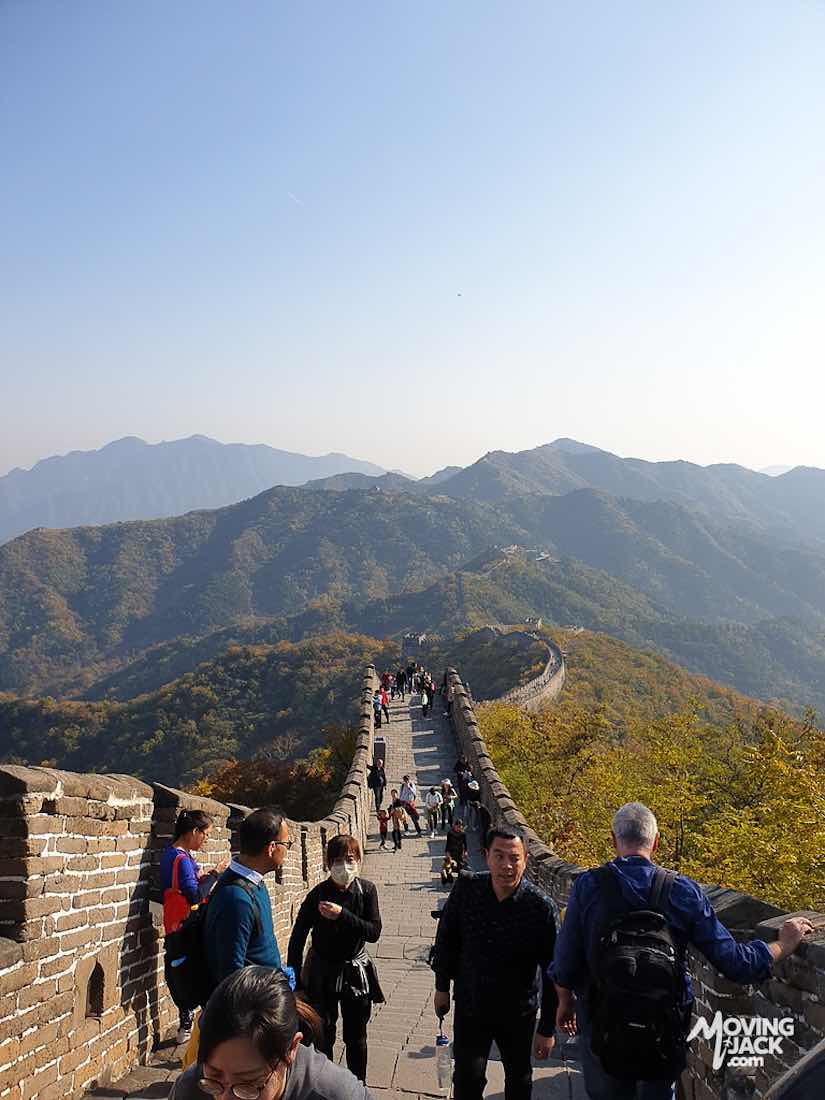
- The Great Wall (Mutianyu or Jinshanling sections are best for tourists) (But it’s a day-trip)
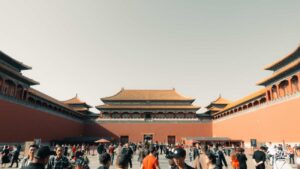
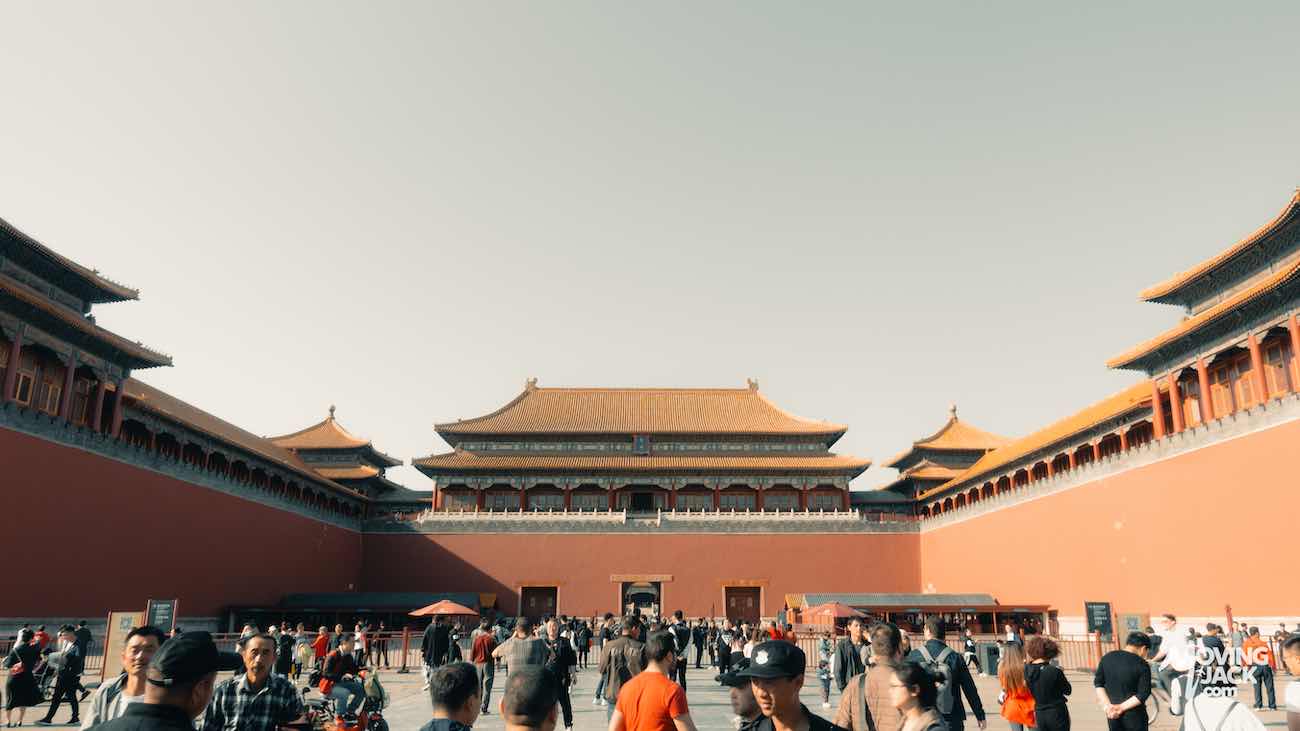
- The Forbidden City (plan a day, it is huge, really incredible)
- Tiananmen Square (part of a Forbidden City trip)
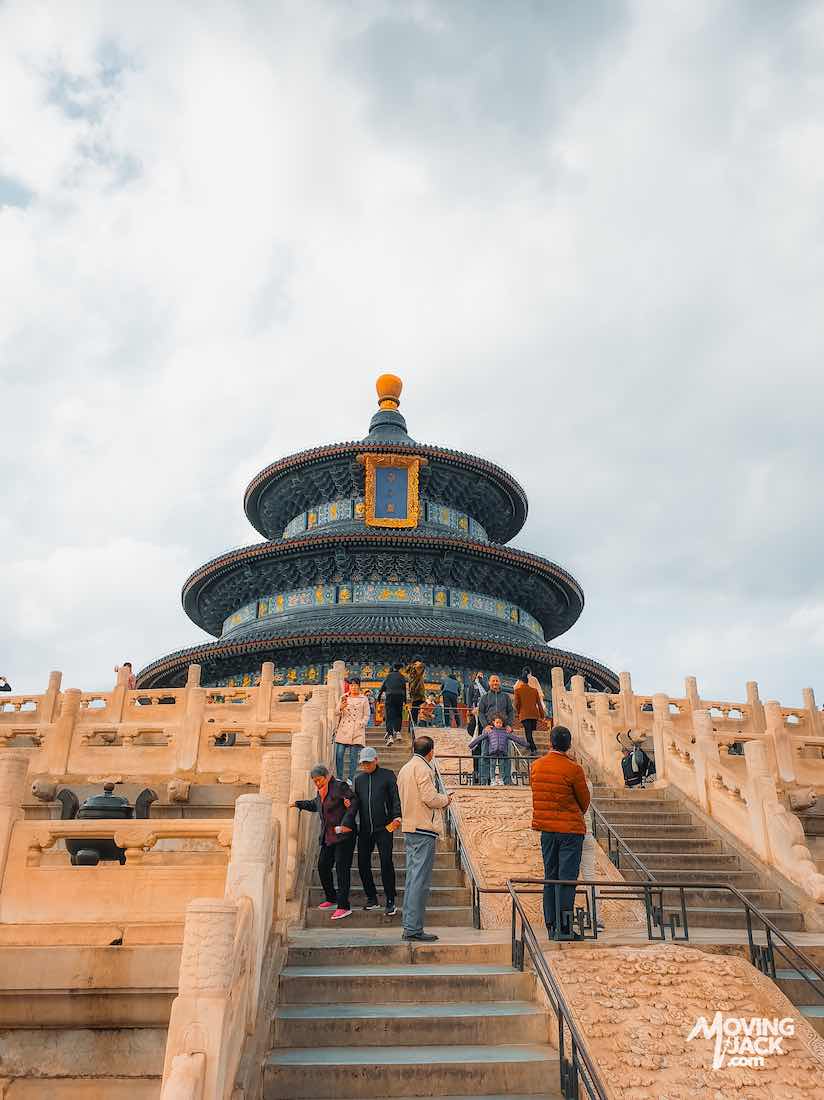
- Temple of Heaven
- Wangfujing (Street food street where you will see lots of things that will surprise you…)
- Summer Palace (way bigger than people expect)
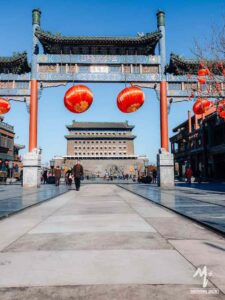
- The hutongs (just walking through them is the experience)
- 798 Art District
- Lama Temple
- Universal Studios Theme Park
These are basically why people decide to go to China in the first place. The Great Wall alone is worth the trip for most people. I have been there several times in different sections and seasons, and it’s pretty cool.
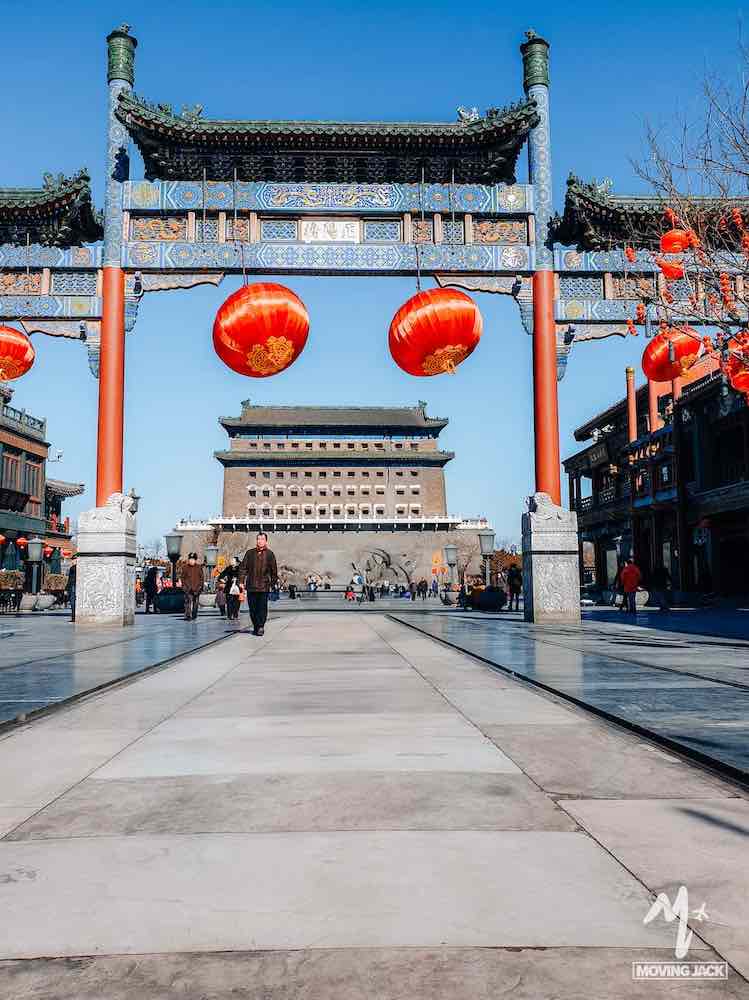


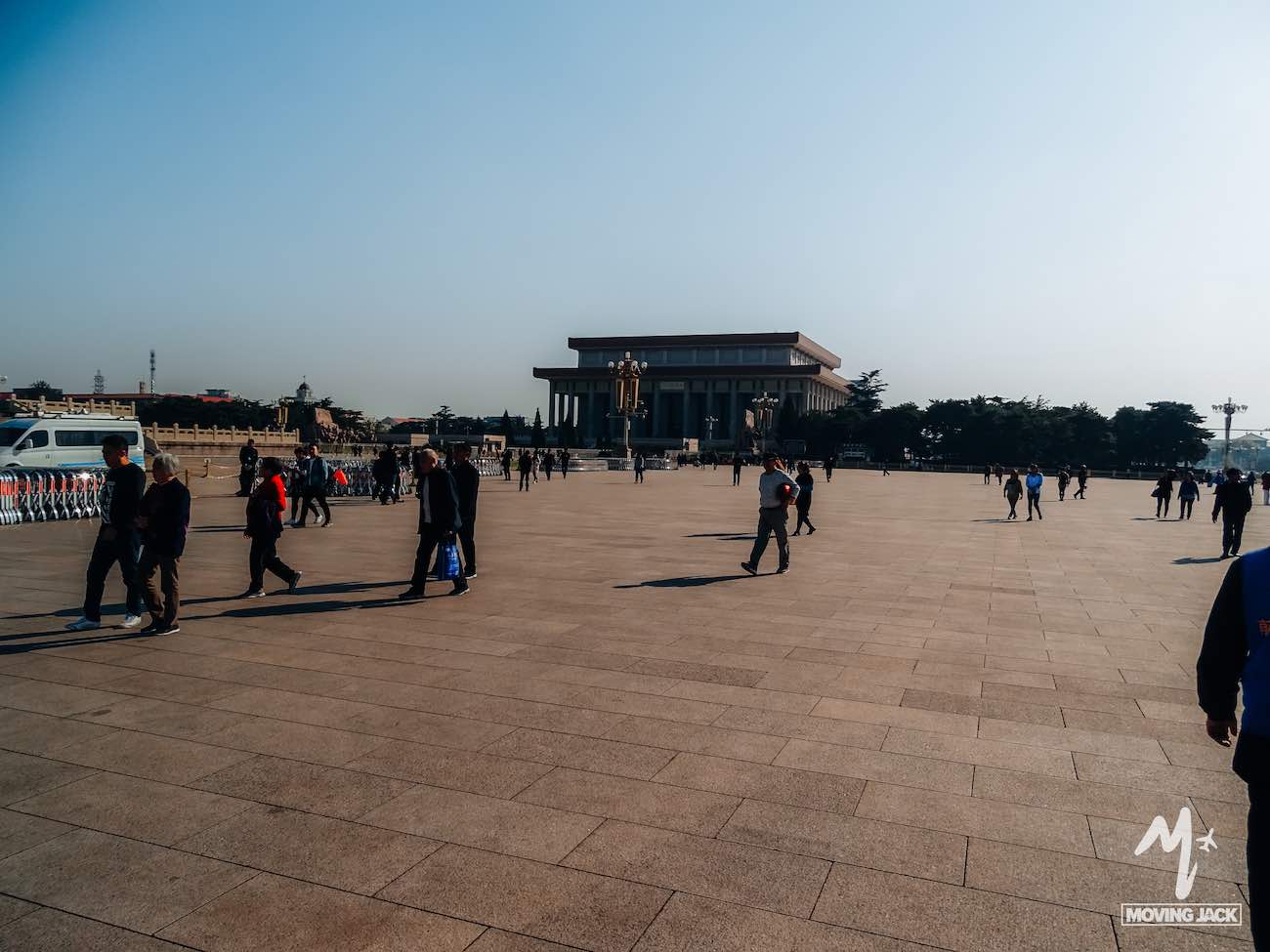
In this walkthrough video, you can see the hutong area, where I lived for 1 year (I lived in another area in Beijing for another year). It doesn’t get more ‘Chinese’ than this. It’s not the most convenient area, but it is a fascinating area that you will talk about for a long time.

Shanghai’s top sights:
- The Bund (the riverfront with the colonial buildings facing the Pudong skyline)
- Pudong skyline (Shanghai Tower, Jin Mao, Oriental Pearl)
- Yu Garden (I wrote a full post on whether Yu Garden is worth visiting)
- Nanjing Road (A wide and long shopping road, but it’s a real experience)
- French Concession (best neighborhood for walking around, my favorite part of the city)
- Tianzifang and Xintiandi (restored old neighborhoods, touristy but still nice)
- Disneyland Shanghai (huge, especially good for families)
- Day trips to Suzhou and Hangzhou (water towns plus West Lake, a 30-minute high-speed train ride)
The Shanghai sights are more about the city itself, while Beijing’s sights are about Chinese history. If you came to China for those postcard moments (the Great Wall, the Forbidden City), then Beijing is the best choice.
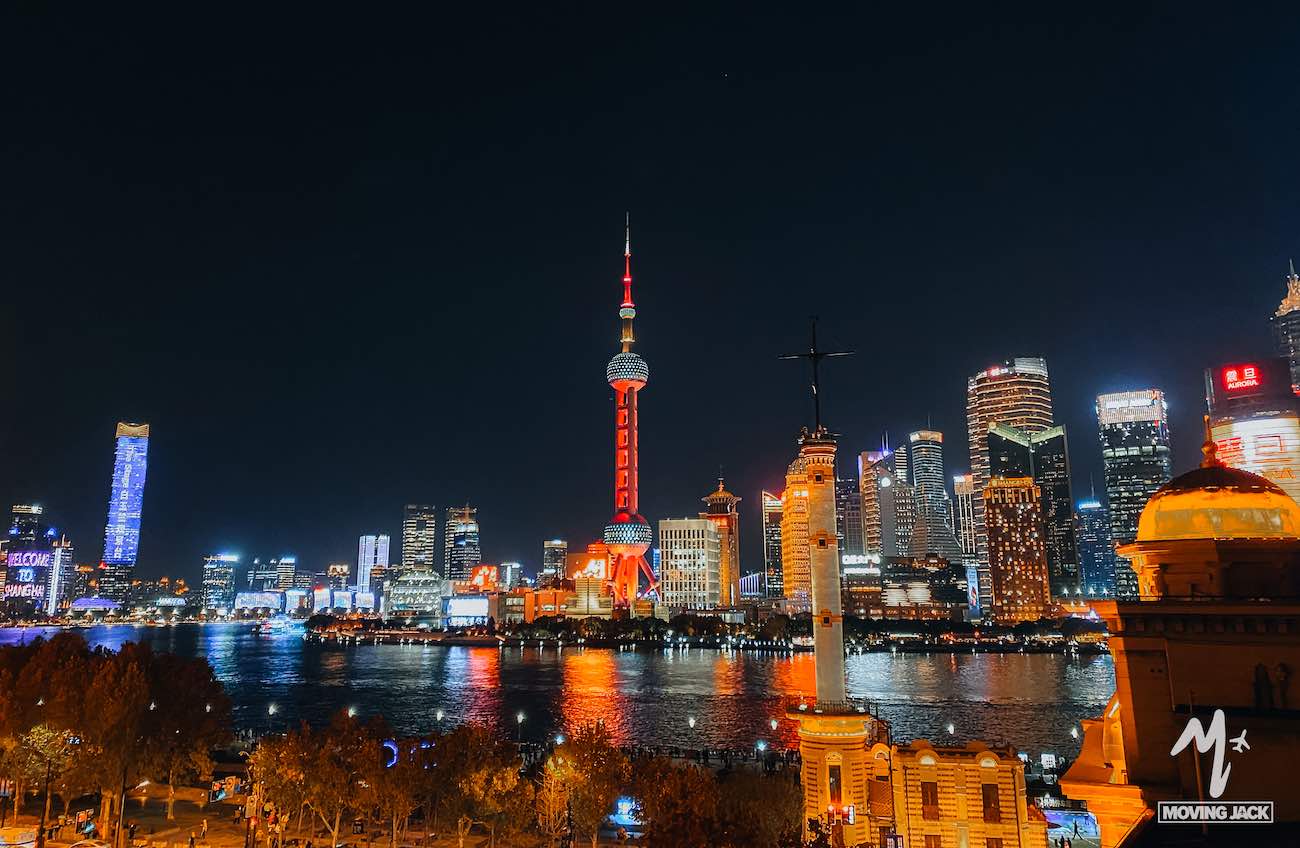
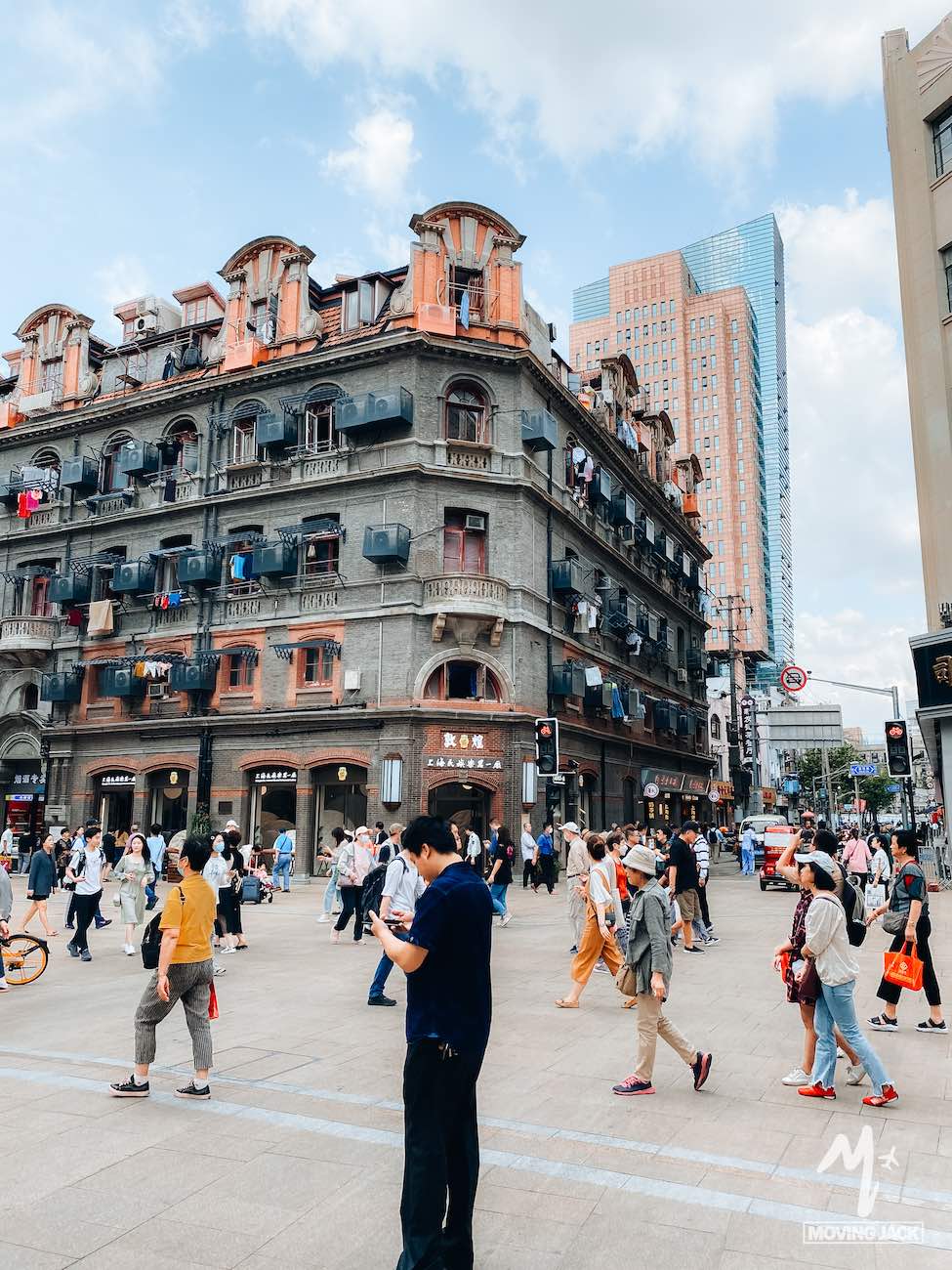

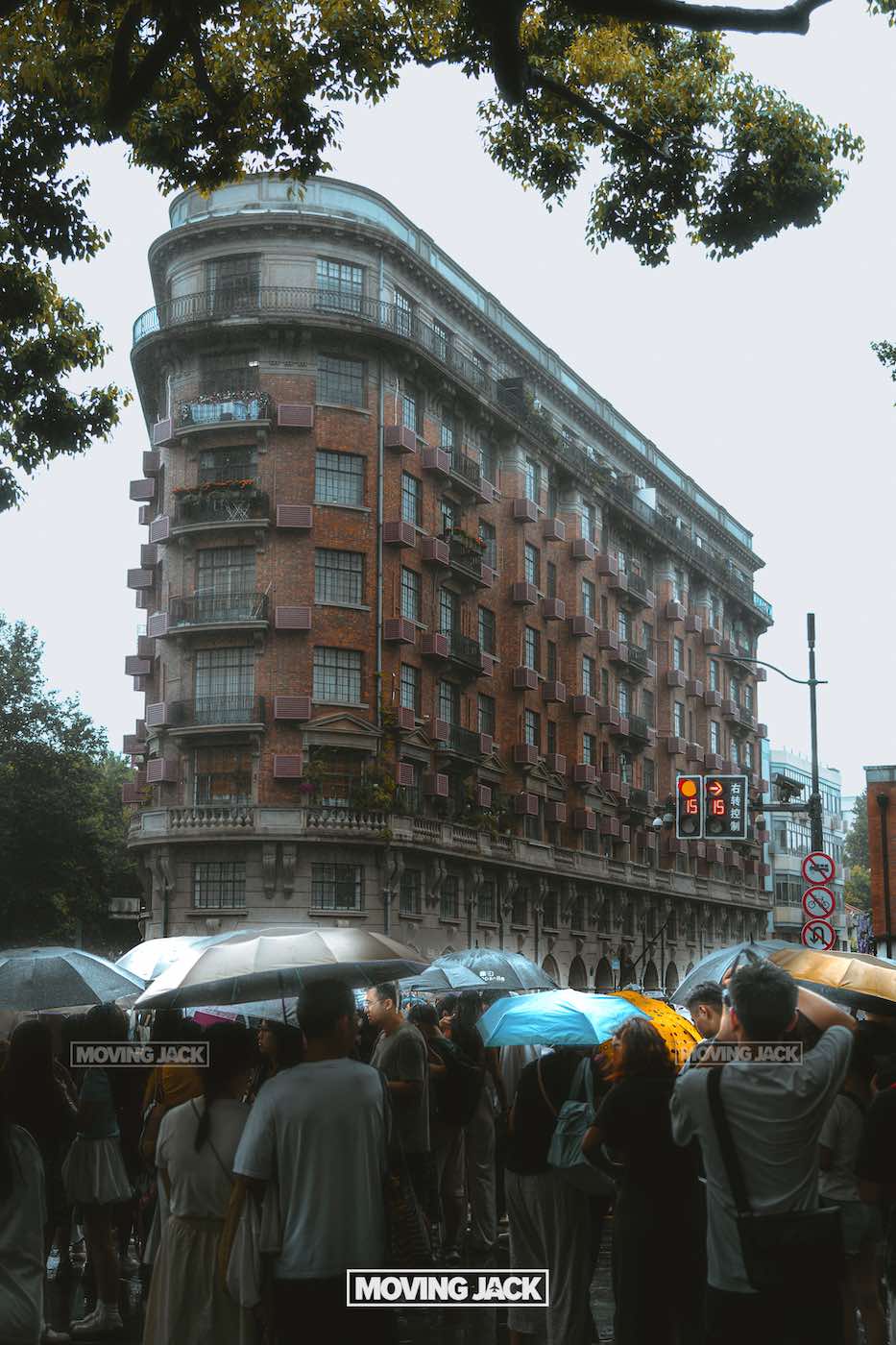

Here is a complete walkthrough video of the French Concession to give you an idea. I lived in this area for a year and loved it. It’s a beautiful area, but as you can see, it is not very ‘Chinese,’ so once again, if you’re going to China to see ‘China’, go to Beijing.

Which City Has Better Food: Shanghai or Beijing?
This one is closer than people expect, but they are different food experiences.
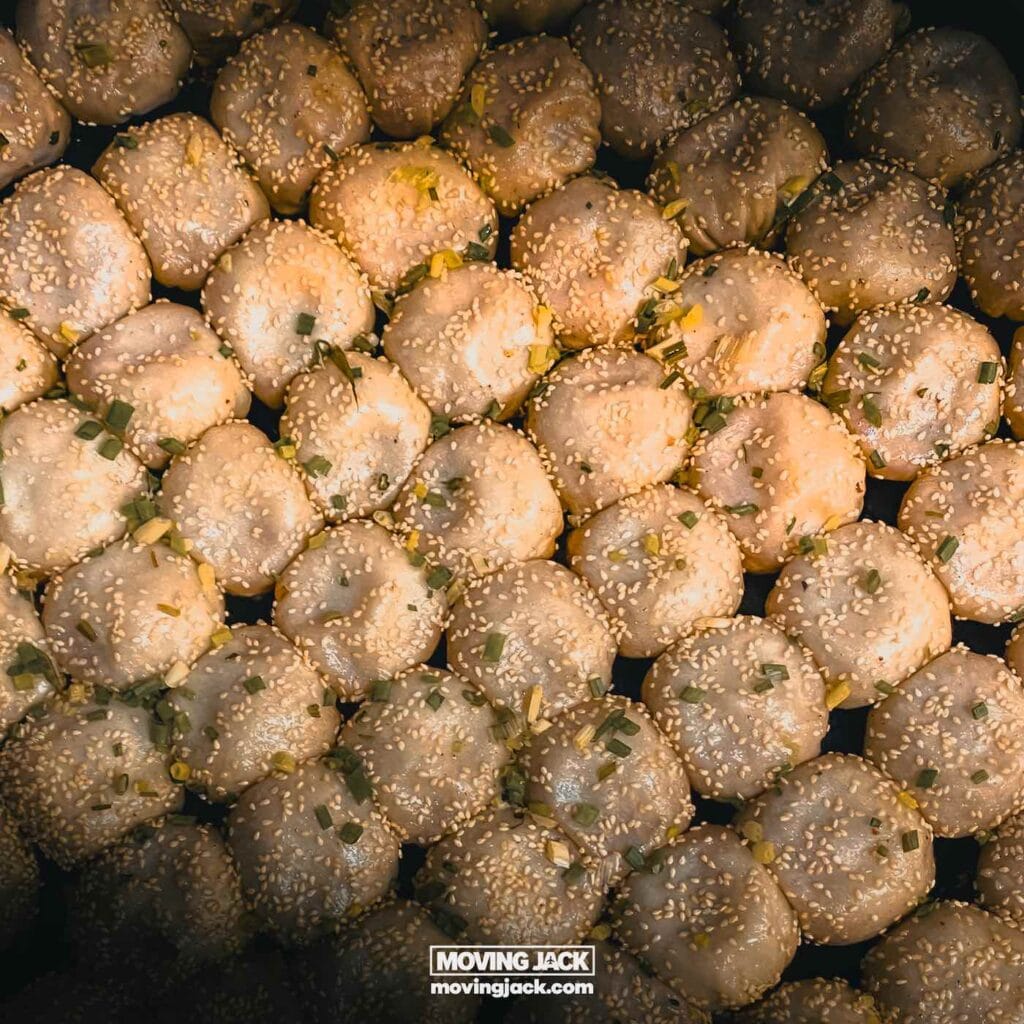
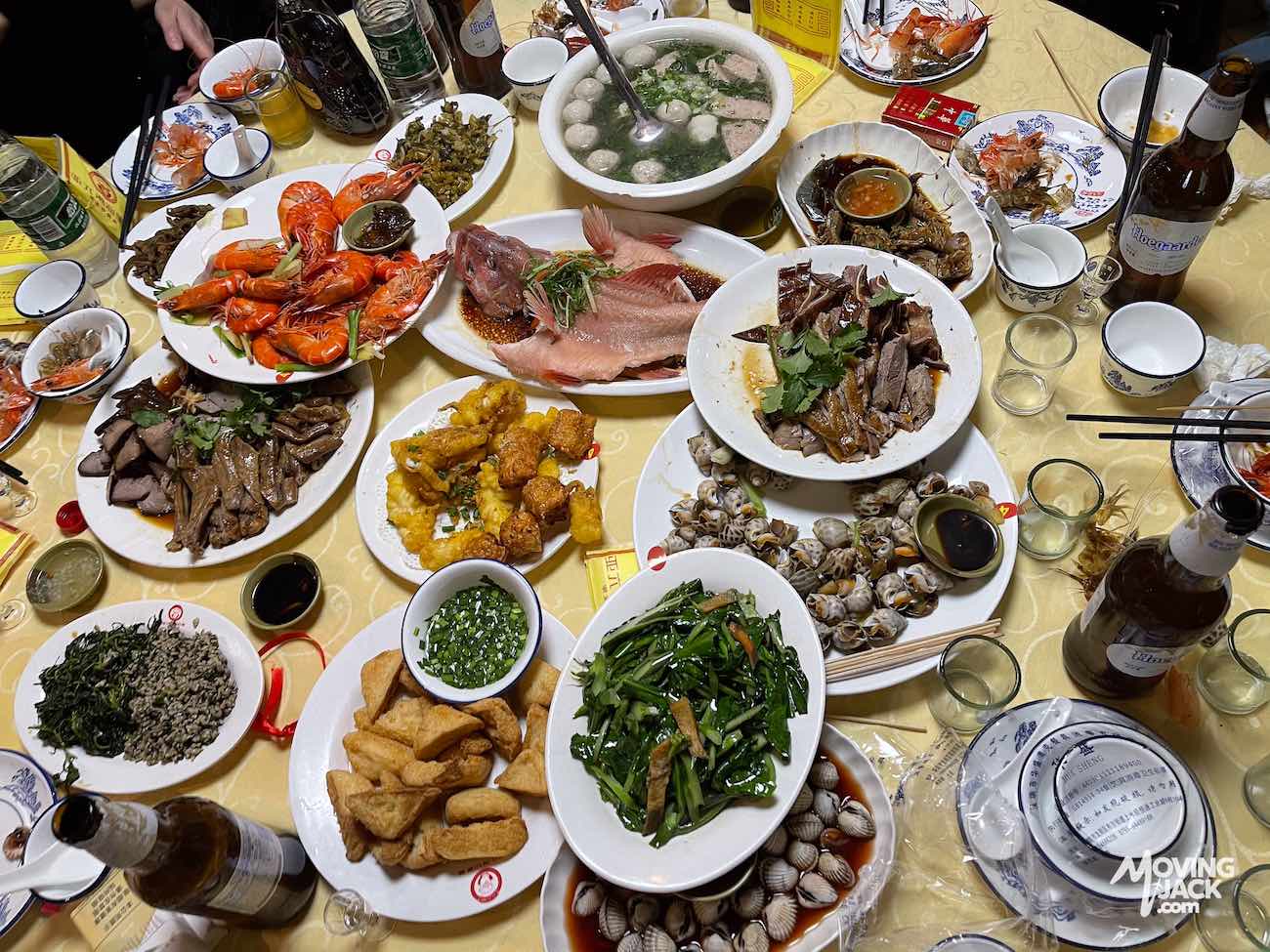
Shanghai is one of the great food cities in the world. Xiaolongbao (soup dumplings) are amazing. And because Shanghai is so international, you can also eat great Italian, Japanese, French, Korean, Spanish, Indian, anything really.
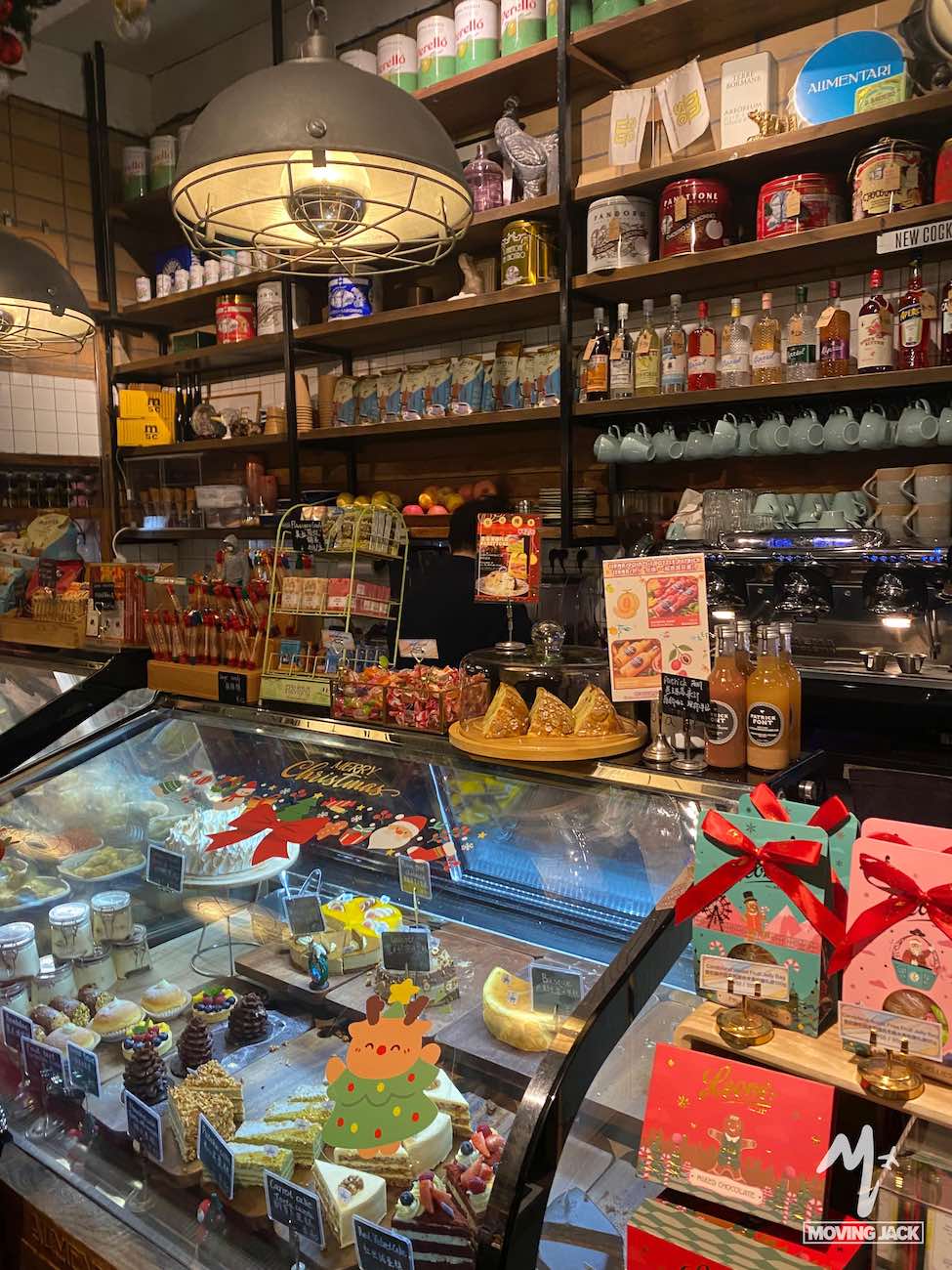
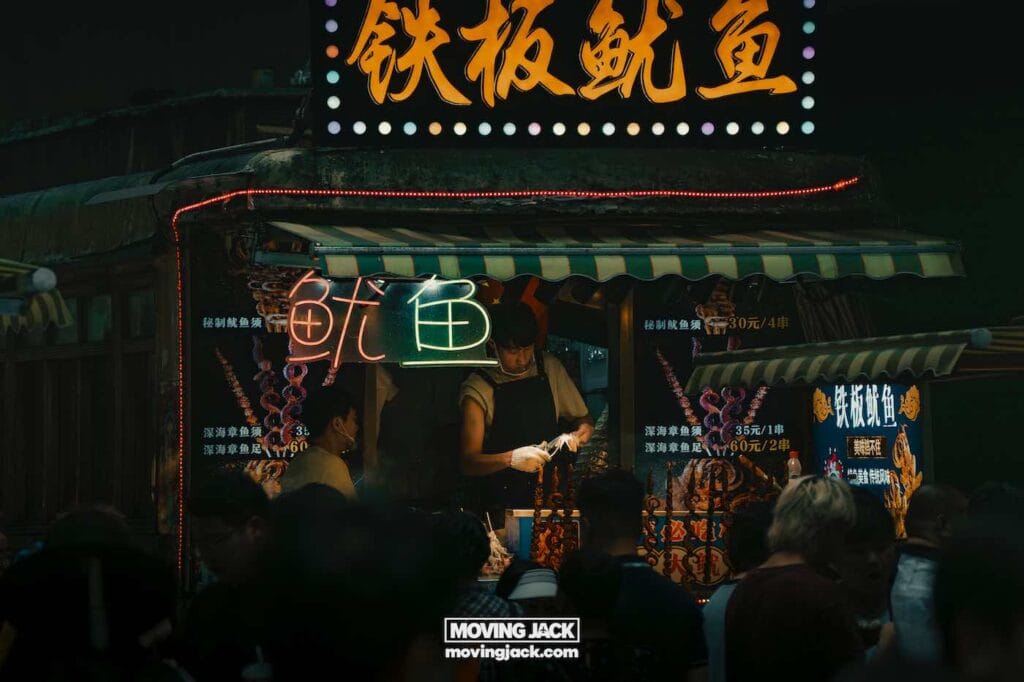

For international food, the French Concession alone has restaurants that would do really well in any global city.
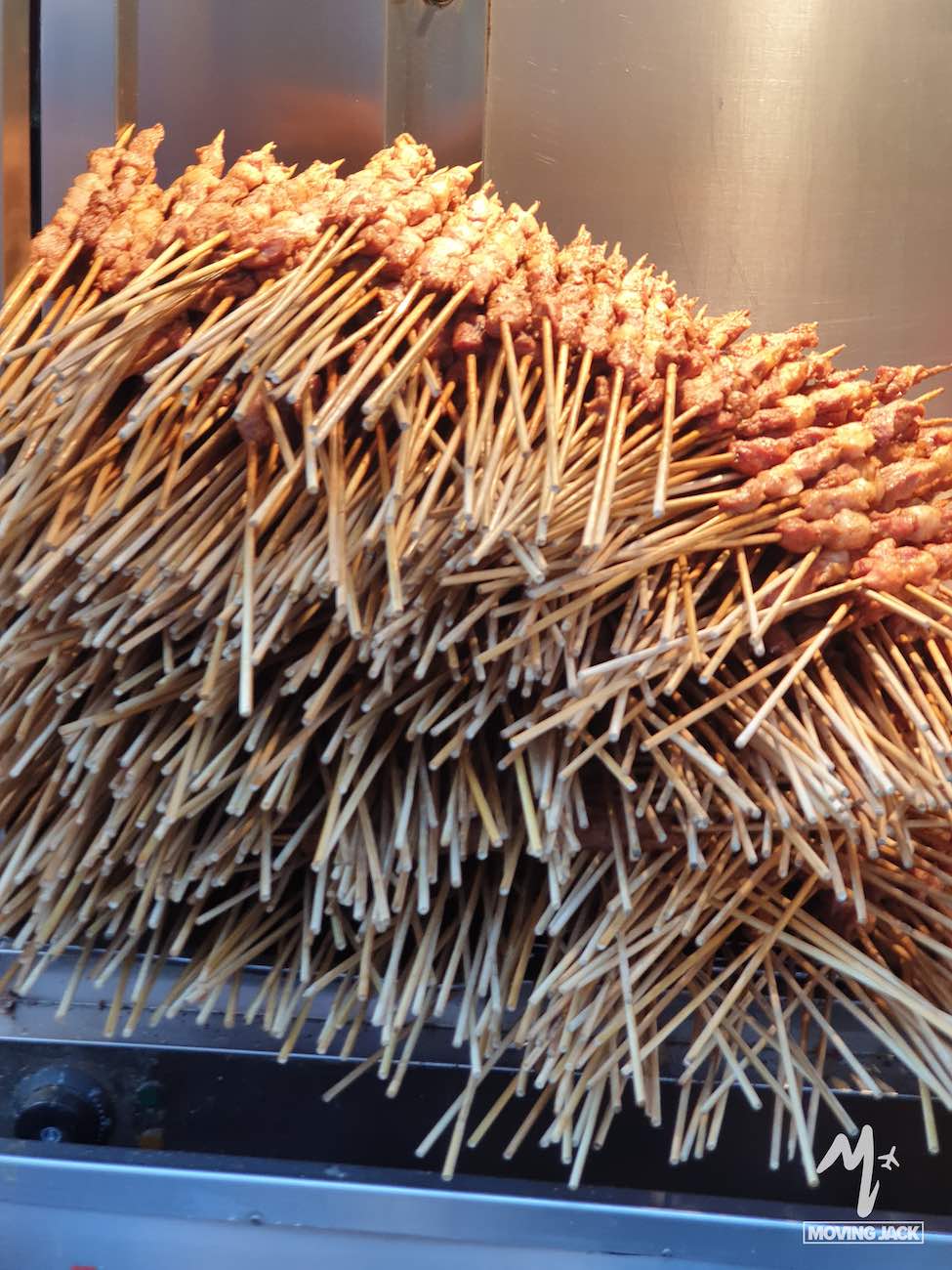
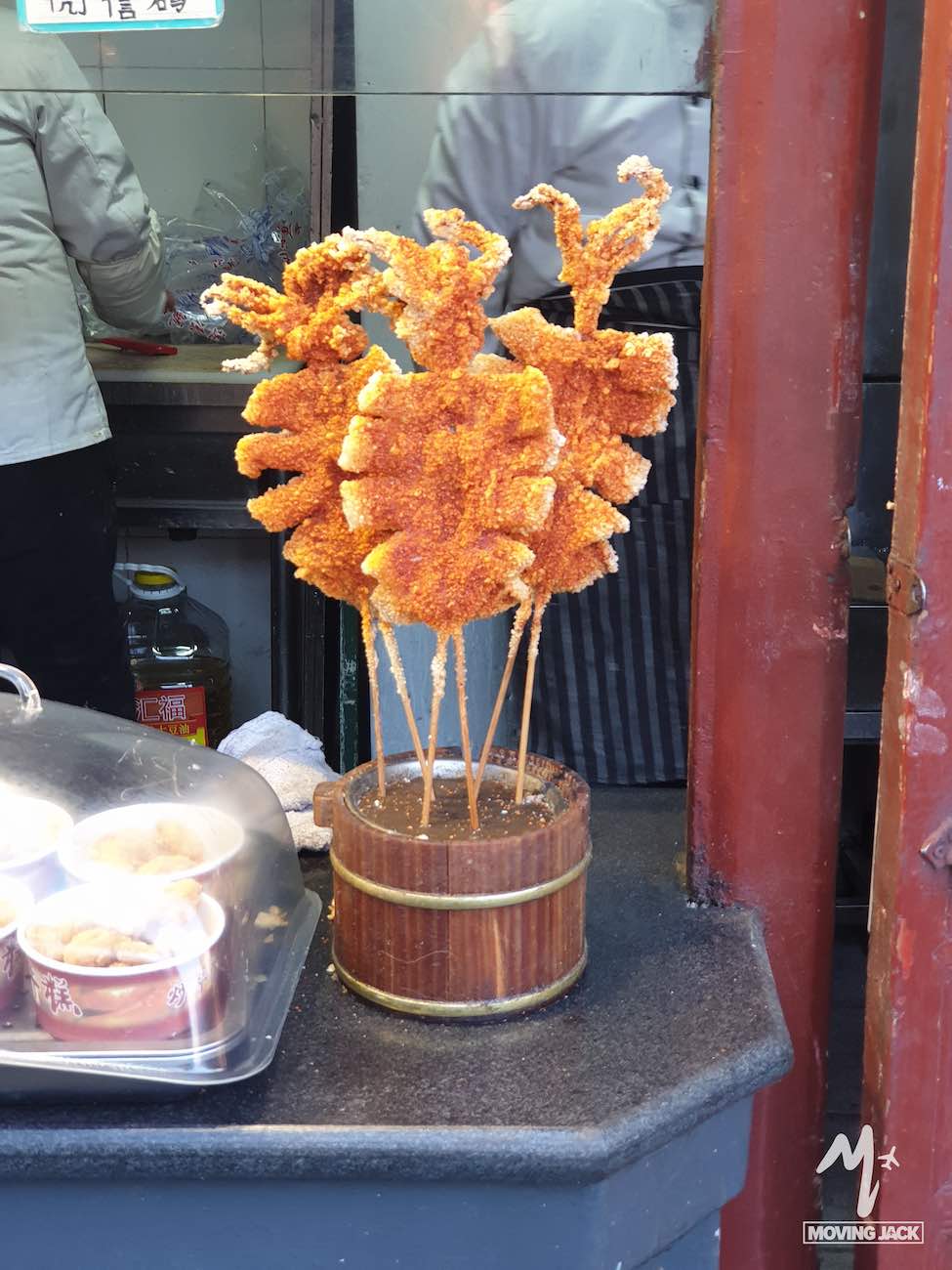
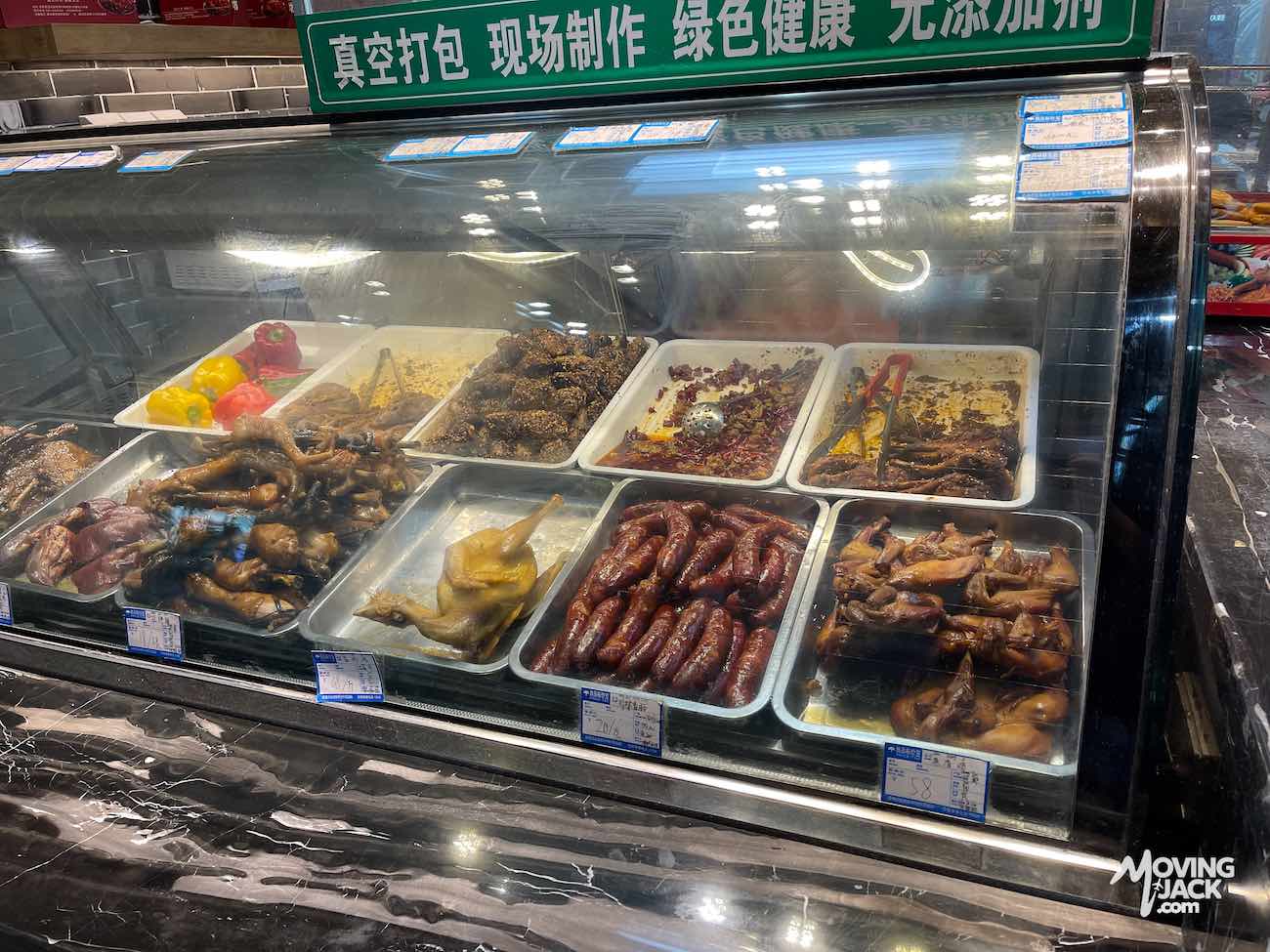
Beijing food is heavier, saltier, and more “Northern Chinese.” Peking duck is the obvious thing to try, and you really should. Other Beijing classics you should not miss are zhajiangmian (noodles with bean paste sauce) and jianbing. Jianbing is a savory crepe and probably the best breakfast food in the world. Plus lamb hot pot and dumplings in every shape and filling.
The international food scene in Beijing exists but is smaller and less impressive than in Shanghai. If you really care about variety and Western food, Shanghai is the clear winner.
My take: Shanghai for variety, Beijing for authenticity. They are both great in different ways. If you go to Beijing, try Peking duck. If you go to Shanghai, try xiaolongbao.

History and Culture
Beijing wins this one really easily.
You can literally stand on the Great Wall. Walk through the Forbidden City, where emperors actually lived. See the Temple of Heaven, where they used to pray. Visit the Summer Palace, where they vacationed. Beijing IS Chinese history in a way that no other city is. Walking through the hutongs feels like a different century. The cultural depth is enormous.
Shanghai has its own history, too. Mainly the Old Shanghai story of the 1920s and 30s. The foreign concessions, the gangsters, the glamour of pre-war Shanghai. It is fascinating in its own way. But it is way less ancient. Shanghai is a story of modernization and the rise of modern China. Beijing is the story of imperial China.
My take: Beijing wins by a wide margin. If you care at all about Chinese history and culture, you have to go to Beijing.
Is Beijing Cheaper Than Shanghai?
Both cities are expensive by Chinese standards but cheap compared to Western cities! Hotel prices and the cost of getting around are very comparable.
In some cases, Shanghai might be more expensive, but that is mostly because of the international/Western options, such as food and drinks.
⚡ Quick tip: Shanghai's coffee shop and brunch scene is expensive. A flat white at a Shanghai cafe can cost $5-7, which is Western prices. Beijing's coffee scene is less developed, and prices are lower.
My take: Beijing is slightly cheaper, but both are good value compared to Western cities. The difference is not really enough to base your decision on.
Which City Is Easier to Get Around?
Both cities have excellent subways, but they feel really different to actually navigate.
Shanghai’s metro is clean, efficient, well-signed in English, and it covers basically everywhere you would want to go. The central areas are also walkable, especially the French Concession, the Bund area, and around Jing’an Temple. You can have a great Shanghai trip without ever taking a taxi if you want.
Beijing has a great metro too, but Beijing is BIG. Like, really big. The distances between major sights are huge, and even with the metro, you will spend more time getting around. There are some areas where you can walk most of it, like Wangfujing/Donghuamen (just right side of the Forbidden City), but if you want to see more, you’ll have to take taxis or walk a lot and take the subway.
You will use the subway a lot and probably some taxis too. Use Didi (the local Uber app), and it is easy and cheap.
My take: Shanghai is way more walkable; in Beijing, you might have to take more taxis. So you need to set up the Didi app, basically the Chinese Uber.
Language and Communication
Shanghai is easier for non-Chinese speakers, but Beijing is doable.
In Shanghai, you will see more English signs in tourist areas. Younger people working in service jobs often speak some English. Menus in central areas usually have English versions or photos. International restaurants have English menus. Taxi drivers sometimes know a few words. You will be fine.
Beijing is harder. English is more limited, especially outside major tourist sights. Older Beijingers often speak no English at all. Menus in local restaurants are often Chinese-only and without photos. You will need translation apps more often.
For both cities, you should:
- Download Pleco (the Chinese-English dictionary, free, way better than Google Translate for Chinese)
- Save your hotel address in Chinese characters (screenshot it on your phone)
- Set up AliPay or WeChat Pay BEFORE you arrive (foreigners can use them now)
- Get a VPN BEFORE you arrive (the Great Firewall blocks Google, Instagram, Facebook, WhatsApp, etc.)
My take: Shanghai is easier, Beijing is doable with the right apps. Neither is impossible.
Best Time to Visit
Both have a few differences.
Shanghai:
- Best: March-May, September-November (mild weather, less rain)
- Avoid: July-August (hot, super humid, often raining)
- Winter: Cold but not freezing, still doable
Beijing:
- Best: April-May, September-October (clear skies, pleasant temperatures)
- Avoid: July (hot, humid, sometimes polluted)
- Winter: Freezing (below 0°C) but often dry and clear (and the crowds are gone)
A few key seasonal differences:
- Beijing winters are way colder than Shanghai winters
- Shanghai summers are way more humid than Beijing summers
- Beijing has the clearest skies in autumn, which is also when the Great Wall looks the most beautiful
- Shanghai has more rainy days in spring
My take: Spring and autumn are best for both cities. Winter is more pleasant in Shanghai (warmer). Summer is rough in both places. October is probably the single best month to visit either city.
Pollution
The pollution question is the elephant in the room for China travel. The actual answer is more nuanced than most people think.
Beijing has historically had bad air pollution. But it has improved a LOT in recent years thanks to serious government efforts (factories moved out, coal restrictions, traffic limits). Spring and autumn are usually fine. Winter can still be rough on bad days. Summer is humid but actually often clearer. Check the AQI before you go and bring an N95 mask just in case.
Shanghai generally has better air than Beijing. It is closer to the coast, so it gets sea breezes, and the worst of the pollution gets pushed away. But it is also not perfect. You will still have hazy days, especially in winter. And humidity is the bigger issue in Shanghai; the summers there are really intense.
In my own experience, I had more bad-air days in Beijing than in Shanghai, especially during winter. But Beijing’s air on a clear day is fine. A lot of people overestimate how bad it is today based on news from 10+ years ago.
My take: Shanghai is better in terms of air quality, but Beijing in 2026 is way better than its old reputation. Do not let the pollution fear stop you from going to Beijing.
Which City Has Better Nightlife?
Shanghai wins this one, but Beijing is not bad either.
Shanghai has some amazing clubs, lots of cocktail bars in the French Concession area, Tianzifang, and Xintiandi are all walkable and fun. And there is the Bund with rooftop bars and restaurants that are great to have a drink, like Fellaz Terrace. I played DJ gigs in Shanghai a few times, and I can tell you, Shanghai at night is great, but for clubs, you kind of have to know where to go, and the club scene changes fast.

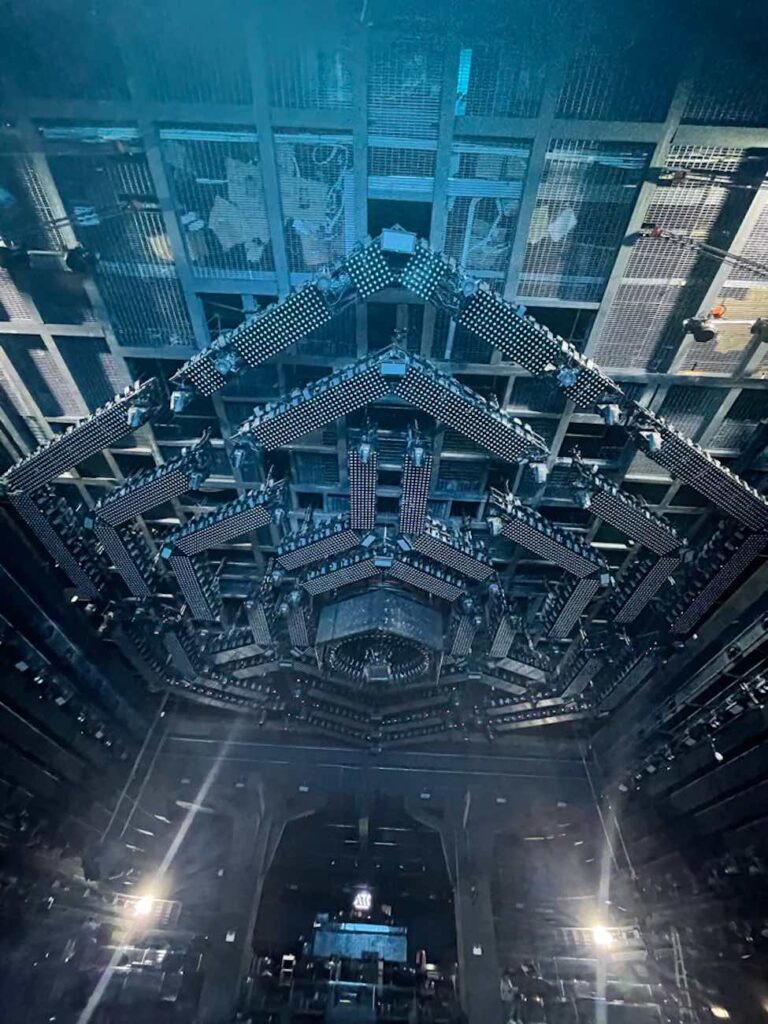


Beijing’s nightlife is smaller but interesting in its own way. Sanlitun is the main expat-and-nightlife area. Around the Beijing Workers’ Sports Complex, you can find lots of big clubs, and in the hutong areas, there are cozy, hidden bars that are really fun. But there are way fewer foreigners, so you might stand out more than you might have in Shanghai.
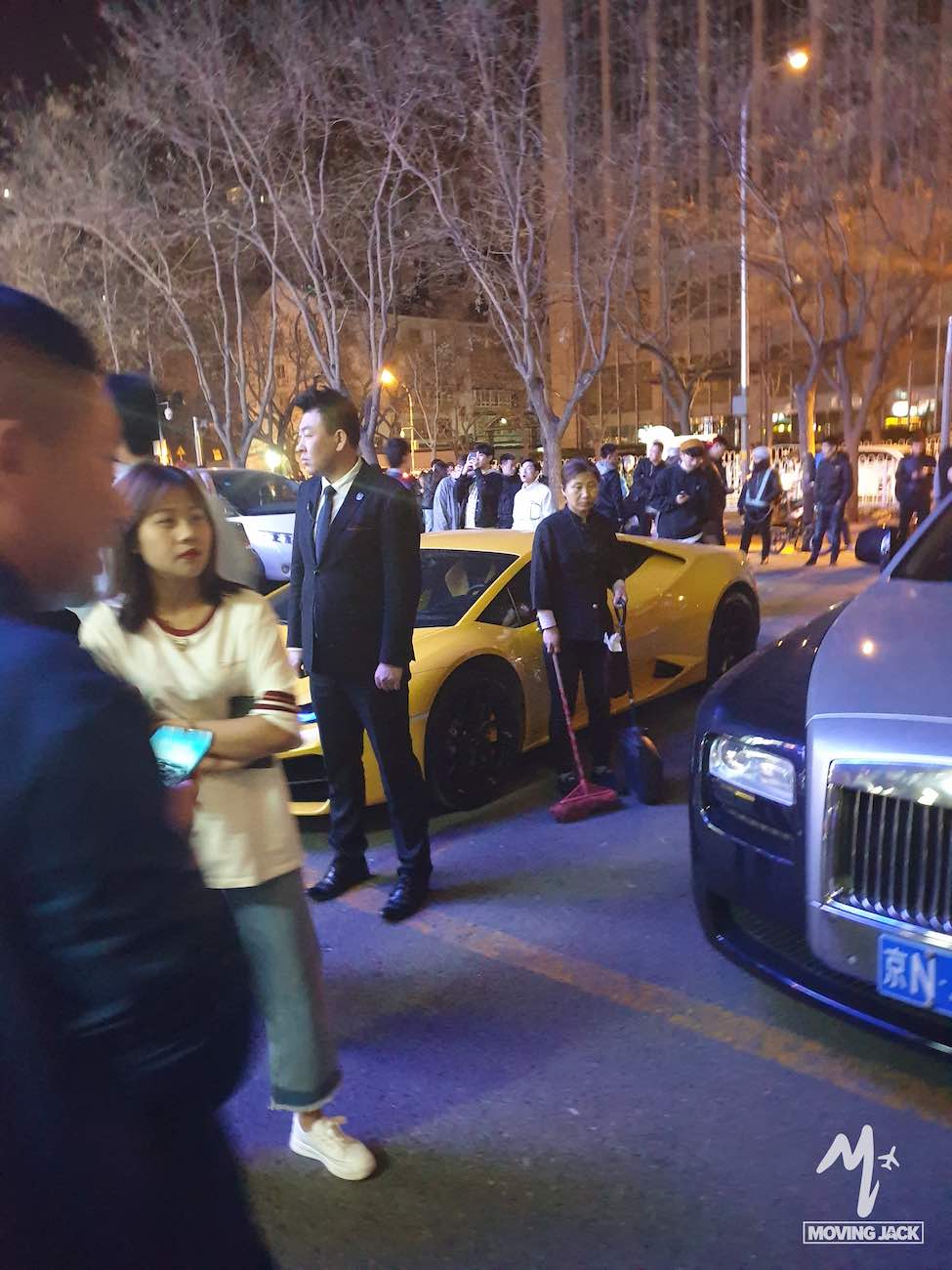

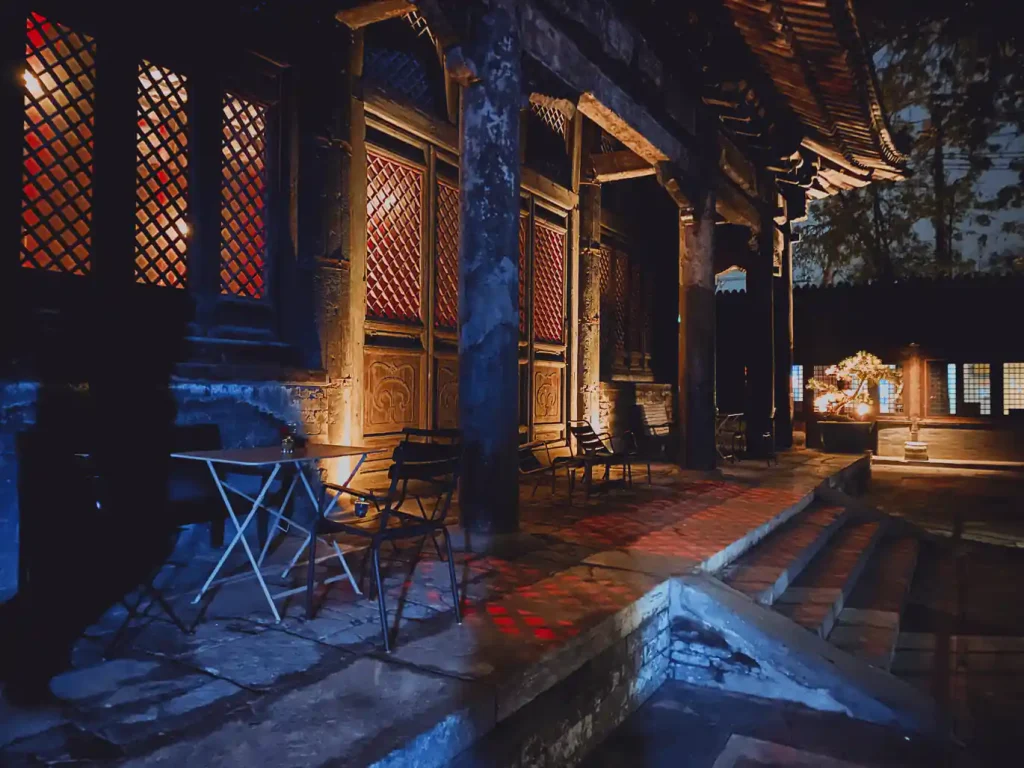
My take: Shanghai wins this one, but you need to know where to look.
Beijing vs Shanghai with a Family
Which is better for families? I will be upfront: Shanghai is way more accessible for families than Beijing, especially if you are going with younger kids. The walking distances are smaller in Shanghai, and more people (much more) speak English. There are many more international food options, it’s cleaner, less crowded, and the sidewalks are more spacious.
I traveled with my 2-year-old son, and Shanghai was just easier to do with him.
That does not mean Beijing is impossible. But Shanghai is definitely easier. Also, the air overall is cleaner in Shanghai and less dry/dusty.
Shanghai with kids:
- Disneyland Shanghai is pretty cool (full day)
- Walking distances in the French Concession and the Bund area are toddler and stroller-friendly
- English is much more common
- International food options
- Modern hotels often have family rooms with separate beds
- The Shanghai Tower observation deck is amazing
- Taking the ferry to the other side of the river is fun
- The bund is super spacious
- The subway is quite clean and easy to use with a stroller
Beijing with kids:
- The Great Wall is a cool experience, but it requires walking some steep paths.
- Forbidden City is a real adventure if they are old enough (5+)
- Universal Studios Theme Park
My honest take:
If I had to pick one city for a family with a young child, Shanghai is the best choice. The trip is way more relaxed and convenient. You’ll get the China experience but still have all the conveniences.
Shanghai or Beijing: Quick Decision Table
| Pick Shanghai If… | Pick Beijing If… |
|---|---|
| It’s your first time in China and you want an easier introduction | You actually want to see China, and The Great Wall and Forbidden City are why you’re going |
| You want a modern city with international vibes | Chinese history and culture really interest you |
| Food variety matters (Chinese AND international) | You want a more immersive Chinese experience |
| You like cocktail bars and nightlife | Wandering through local hutongs sounds fun |
| You want to shop, period | You want a break from the international city feel |
| Skyline views and modern architecture make you happy | You have time for a slower, more cultural trip |
| Easier English access matters | Bigger distances and more transit don’t bother you |
| Your travel partner is nervous about going to China | A more authentic restaurant scene matters to you |
| You only have 4-5 days | This is your second or third China trip and you want depth |
| You like exploring cafes and nice brunch spots | You want day trips to the Great Wall, not water towns |
Shanghai vs Beijing for Americans
If you’re flying from the US, a few things matter more than they would for European or Asian travelers. Here’s what to know specifically:
Which Is Easier for First-time American Visitors?
Shanghai, by a wide margin. If you’ve never been to Asia (or only to Japan, Korea, or Singapore), Shanghai is the softer landing. The French Concession feels almost European, the English signage is better than Beijing’s, and Starbucks/McDonald’s/Shake Shack are everywhere if you need something familiar.
Beijing is more rewarding but a bit harder. Older Beijingers speak zero English, menus are frequently Chinese-only, and the city is huge (think DC, not like Manhattan). You’ll have to use translation apps way more.
My honest recommendation for first-time Americans in China: start in Shanghai for 2-3 days, then take the high-speed train to Beijing for 3-4 days. Shanghai eases you in, Beijing gives you the China you came for, and you’ll talk about for years.
Travel Advisory Level
The US State Department currently lists China as Level 3: Reconsider Travel. This is largely due to concerns about wrongful detention and the broad exit-ban risk, not street safety. Both Shanghai and Beijing are extremely safe day-to-day — violent crime is much lower than in any major US city! Check the latest State Department advisory before you book.
US Embassy & Consulate Info
Which City Has Better Flight Connections from the Us?
Both Shanghai (PVG) and Beijing (PEK) have direct flights from major US airports, so this is less of a deciding factor than people expect. US West Coast cities like Los Angeles, San Francisco, and Seattle have direct options to both cities. From the East Coast, JFK has direct flights to both, though frequency is limited and routes change often.
One useful tip: sometimes it’s cheaper to fly into the other city and take the high-speed train. The Beijing-Shanghai high-speed train is 4.5 hours and costs around $80 on Trip.com, so check both routes when booking.
What Americans Often Underestimate
- The Great Firewall is real. No Google, Gmail, Instagram, Facebook, WhatsApp, or YouTube without a VPN. Set up a VPN before you fly (you can’t download VPN apps once you’re inside China).
- Cash is dead. Set up AliPay or WeChat Pay before you arrive — both now accept US credit cards for tourists. Foreign cards work at hotels and some restaurants, but daily life runs on apps.
- The plug is Type A and Type I. Most US devices work fine on Chinese outlets (Type A is the same as US plugs), but voltage is 220V — bring a multi-voltage charger or an adapter.
- Pollution isn’t 2013 anymore. Beijing’s air has improved enormously. Spring and autumn are usually fine. Bring an N95 just in case for bad days.
- There’s less free speech than there is in the US. Please refrain from discussing sensitive subjects online.
Which City Is Most Like a US City?
Shanghai feels like New York City. Tall skyline, fast pace, packed restaurants, international crowd, expensive cocktails, and international restaurants. The Bund-Pudong skyline view across the river even feels a bit like looking at Manhattan from Brooklyn. Where Shanghai differs: it’s actually cleaner than NYC, the subway is way nicer, and crime is waaay lower, and (I’m sorry to say this, New Yorkers) locals are more friendly too.
Beijing feels more like Washington DC. Government weight, slower pace, more history, more spread out.
Frequently Asked Questions
-
If you really want me to pick one, I would say Beijing for a first China trip. The iconic sights are why most people choose to visit China in the first place. Sometimes they say, “If you’ve only been to Shanghai, you haven’t been to China,” but Shanghai is more convenient.
-
Both cities have great coworking spaces; I’ve been to many myself. In Shanghai, they are more accessible and easy to find, and staff often speak English.
-
Both Shanghai (PVG) and Beijing (PEK) have direct flights from major US airports, so this is less of a deciding factor than people expect. One useful tip: sometimes it’s cheaper to fly into the other city and take the high-speed train. The Beijing-Shanghai high-speed train is 4.5 hours and costs around $80 on Trip.com, so check both routes when booking. You might save some money by flying into the cheaper option.
My Final Verdict + Tips
If you really want me to pick one, I would say Beijing for a first China trip. The iconic sights are why most people choose to visit China in the first place. Sometimes they say, “If you’ve only been to Shanghai, you haven’t been to China.”
You came for the Great Wall, you should see the Great Wall! Shanghai, you can almost replicate with any other modern Asian megacity (Tokyo, Singapore, Seoul). Beijing, you really cannot, it’s one of a kind.
But the real answer is to do both if you can! Really! They are only 4.5 hours apart by high-speed train, which is more comfortable than flying that distance. A one-week trip to China would be perfect, with 3 days in Shanghai and 4 days in Beijing (including a day trip to the Great Wall), that’s the complete China experience.
You get the ancient history, modern stuff, local food, and cultural variety.
Going to China and only doing one of these cities is a bit like going to America and only doing New York. You can do it, but you are missing half the adventure!
So my real recommendation is: do not choose. Do both.
A Few Practical Tips for Both Cities
Before you go:
- Get a Chinese visa (most travelers need one, check current rules)
- Set up a VPN BEFORE you arrive (you cannot download VPN apps once you are inside China)
- Download Pleco, Maps.me (offline maps), and WeChat
- Set up AliPay or WeChat Pay for foreigners (works for most tourists now)
- Bring an N95 mask just in case (rarely needed but useful for bad pollution days)
Once you arrive:
- Get a local SIM card or eSIM (Holafly or Airalo both work well)
- Save your hotel address in Chinese characters
- Use Didi for taxis (it is China’s Uber)
- Take the high-speed train between Beijing and Shanghai if you do both
- Do not drink the tap water (bottled water is everywhere and cheap)
Read more about essentials to bring in my What to Pack for China Guide, there are quite a few things you might not have thought of that are handy to bring!