



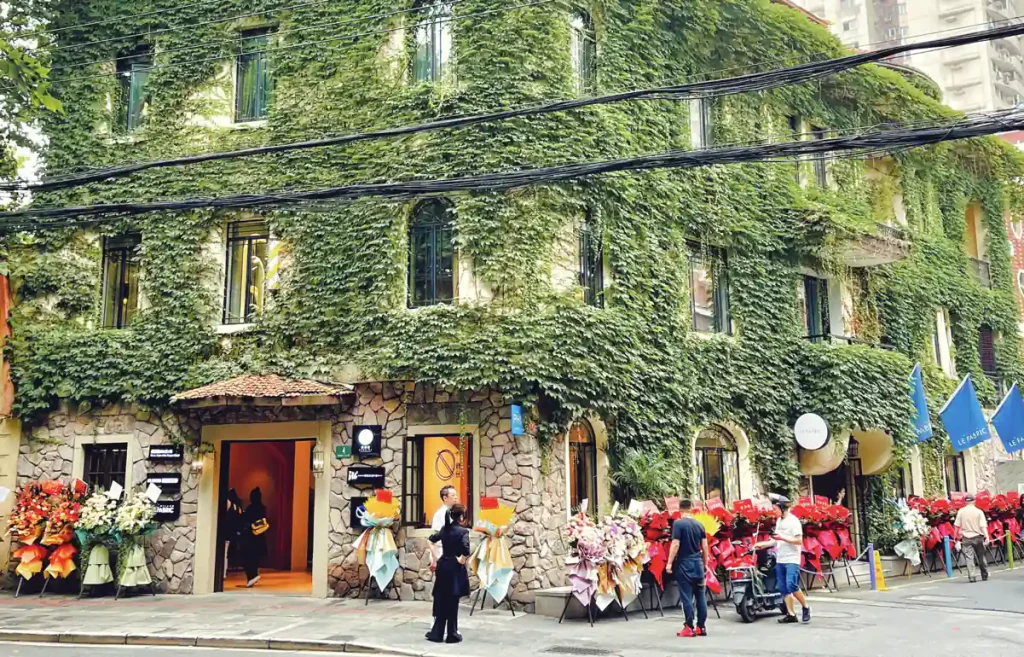

Living in Shanghai has been incredible. I was fortunate enough to call Shanghai my home for a full year. I miss everything about it, the locals and exciting nightlife, the many business opportunities I got, and the delicious food.
My house was a cute and cozy ground-floor apartment in the heart of the French Concession in downtown Shanghai.
I’ll share everything I learned about living in Shanghai, the costs, the culture, getting around, and why it was one of the best years of my life.
Living in Shanghai
Before I get started with all the practical info, I wanted to share this anecdote below, which I think is quite funny and says a lot about China in general.
The Fastest Moving Company Ever
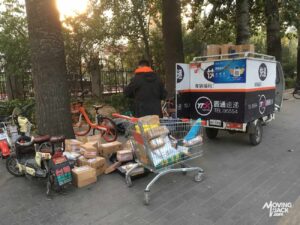
When I had to move some heavy things from my hotel to my new place in Shanghai, my Chinese friend arranged a moving company.
My friend said, “I’ll call a moving company I know, just the right one.” We were having dinner at a restaurant, and I just shared the idea of moving some stuff. I figured the company would come next week or maybe in a few days, since things can move quickly in China.
My friend was calling the company. The company asked us if they could come in 30 minutes!
My friend said we were still eating, so if they could come in an hour… Now that’s fast!
Can you imagine calling a moving company that’s ready in 30 minutes? Even faster than yourself? Only in China!
This is Shanghai in a nutshell: everything moves at lightning speed. Delivery in 20 minutes, groceries within the hour, and anything you need is immediately available. It’s actually addictive…
Cost of Living in Shanghai
Shanghai is a bit more expensive than other cities in China, but still quite cheap compared to many Western cities. Taxis are super affordable, just a few dollars for a regular city ride, eating out is much cheaper than cities like Seoul or Europe, and especially gas and electricity are really cheap.
Our Monthly Costs (for a couple, excluding rent):
Here’s what we spent each month:
Utilities came to around ¥200-400 (~$30-60).
The Internet and phone were one of our best deals. Internet ran ¥120 (~$18) for 100Mbps fiber – crazy cheap and super reliable. Phone for two lines was ¥150 (~$22) with unlimited data from China Mobile.
Food was our biggest variable expense. Groceries hit about ¥3,000 (~$450) – we split our shopping between markets and local supermarkets. But we barely made dinner ourselves. We usually went out for dinner because it was often cheaper than ordering groceries. Eating out added another ¥2,000 (~$300), going out 3-4 times per week.
Transportation stayed low at around ¥450 total. Metro cards ran ¥200 (~$30) since we used the subway almost daily. Electric scooter charging was basically nothing at ¥50 (~$8) – best investment ever. Occasional Didi (Chinese Uber) rides were maybe ¥200 (~$30).
Healthcare We were insured by a temporary international Health Insurance for Dutch people, called OOM Insurance.
Entertainment came to ¥1,500 (~$225) some months higher when we went out more.
Miscellaneous stuff like clothes, random items (Taobao…), VPN subscription – about ¥1000 (~$150).
Total: ¥8,620 ($1,293/month)
That doesn’t include rent, which was $1400 per month for us.
What’s Cheap in Shanghai
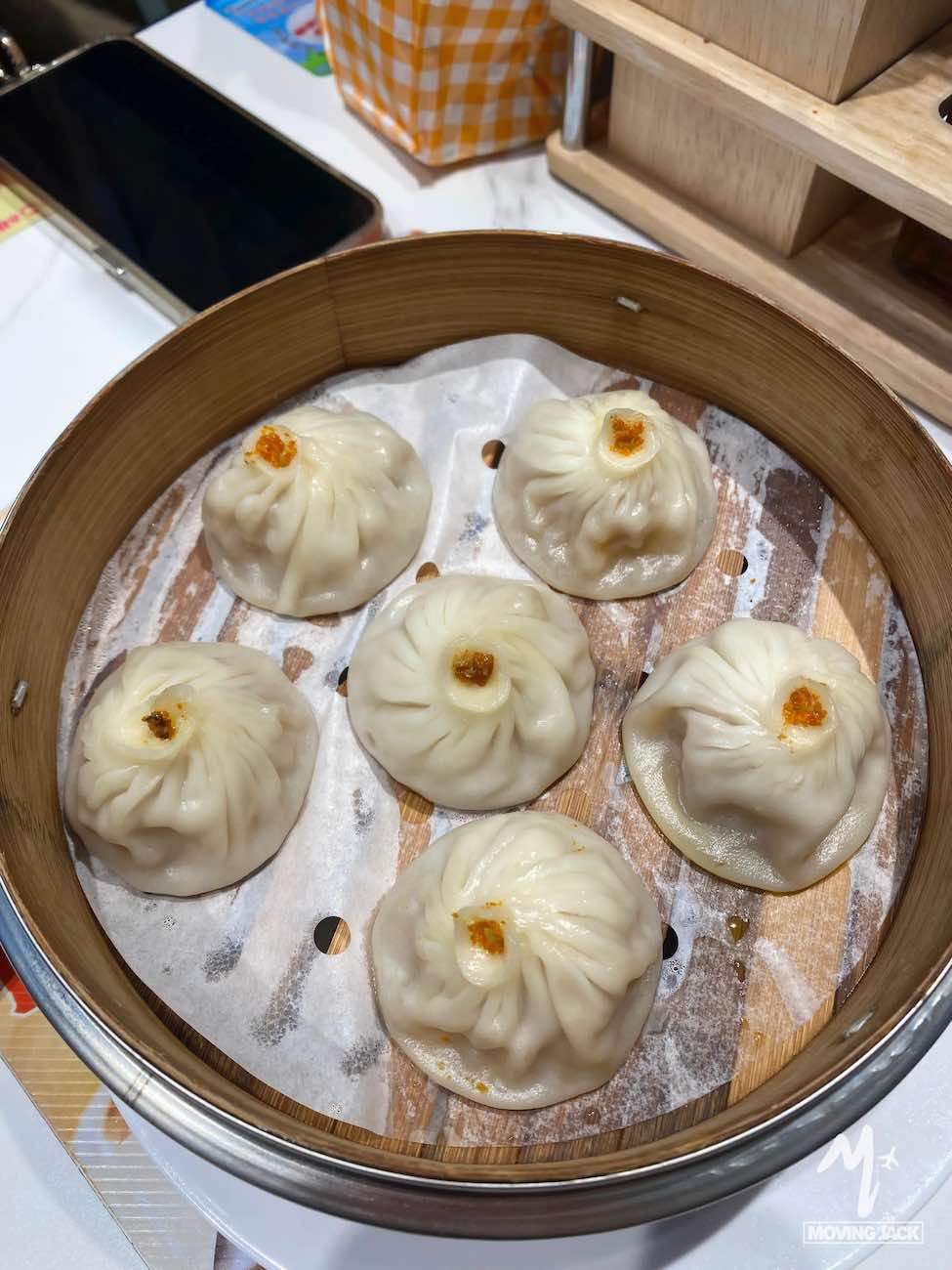
Chinese food is cheap, of course. A meal at a local place costs ¥30-50 ($5-8). I ate xiaolongbao (soup dumplings) many times and never got tired of them. Xiaolongbao costs around ¥12-20 for eight pieces. Full meal with rice, vegetables, meat – ¥30-50
The metro is super affordable. A ride costs ¥3-10 depending on the distance. Trains come every 2-5 minutes. I always used Trip.com to book.
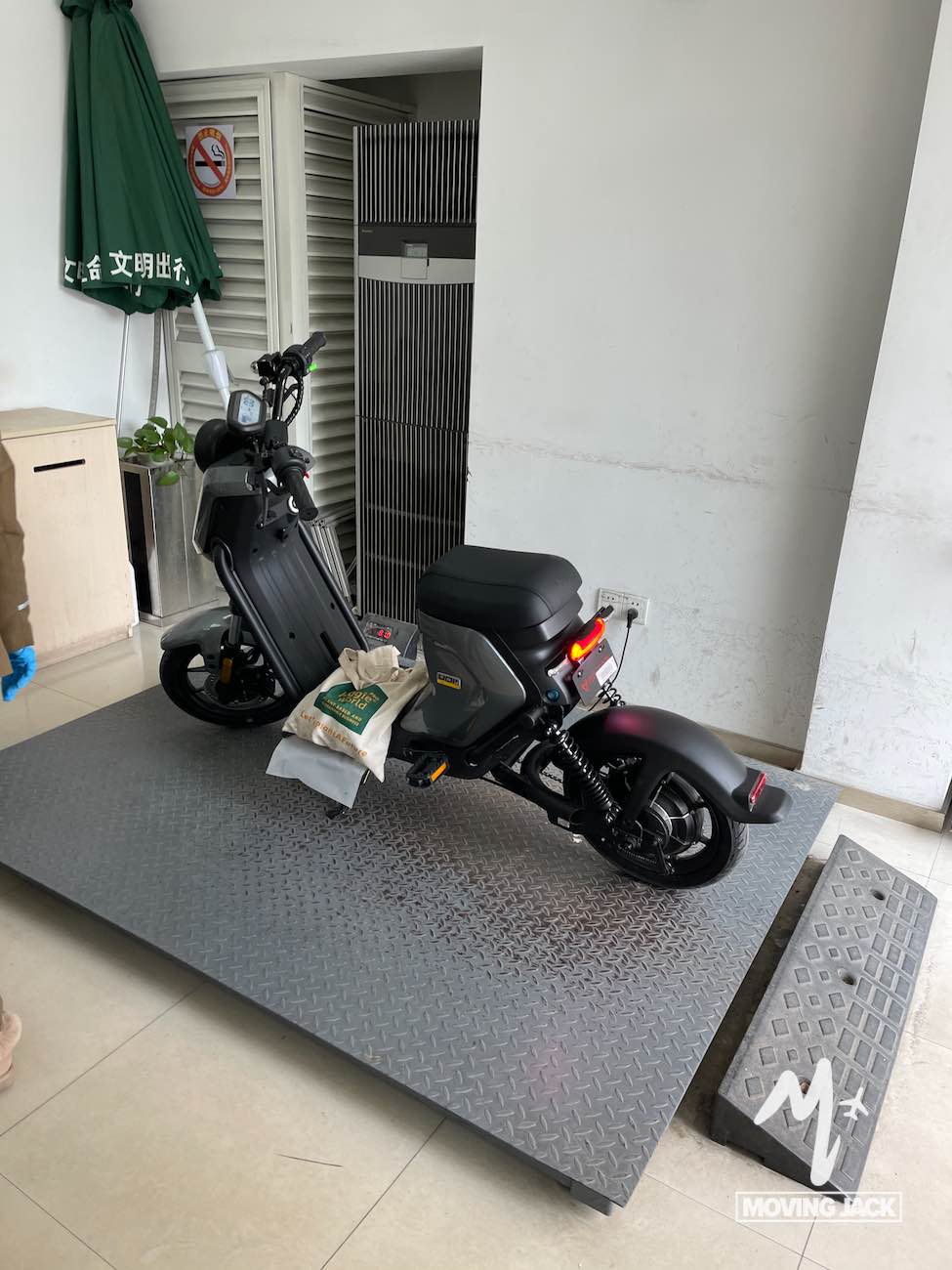
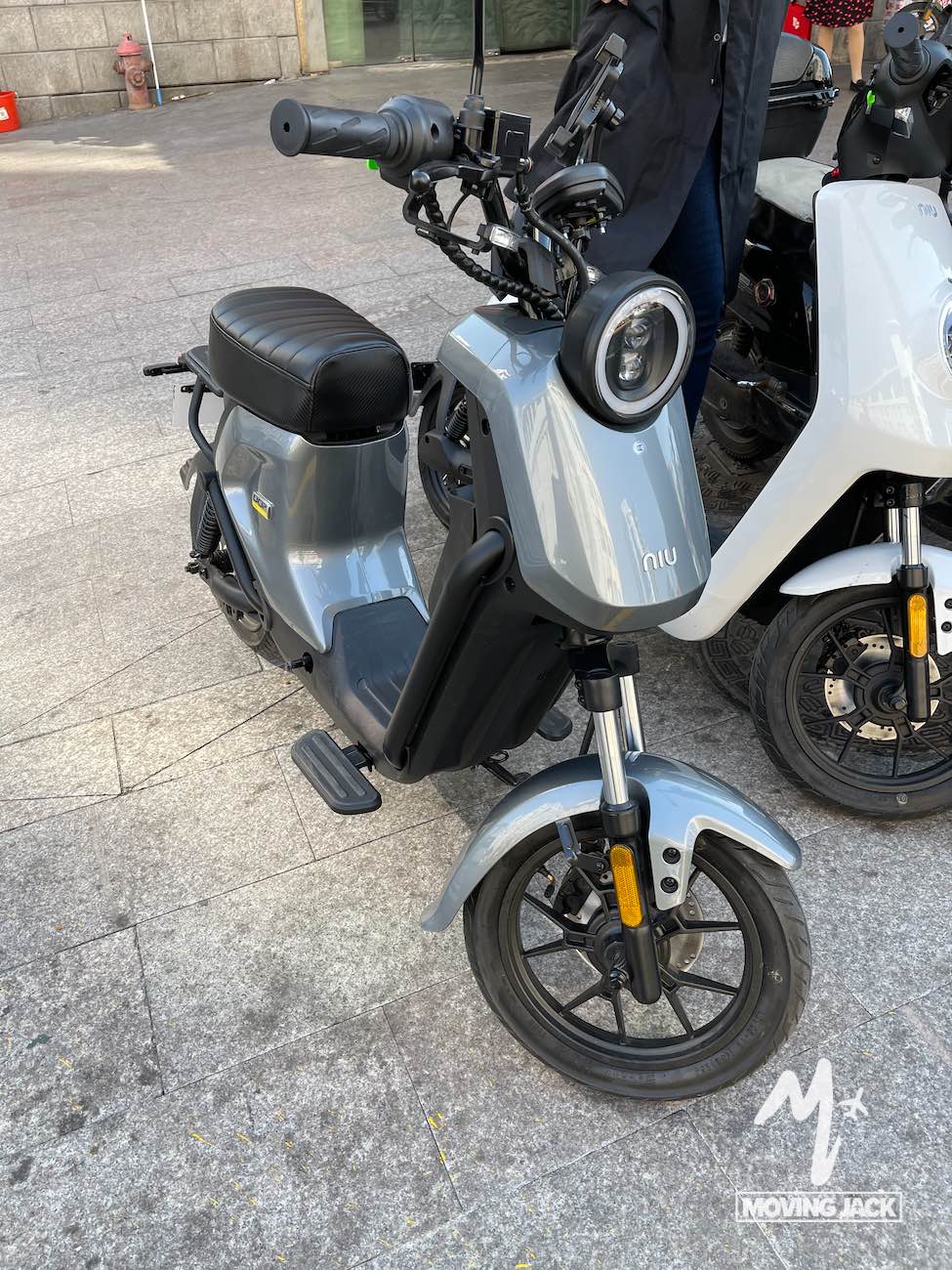
I bought my electric NIU scooter for $500 (In Europe, the same would cost $2500!!), and it just changed my life in Shanghai. Charging costs almost nothing, no parking fees, and total freedom to ride around the city. Man, I loved that so much!
What’s Expensive in Shanghai
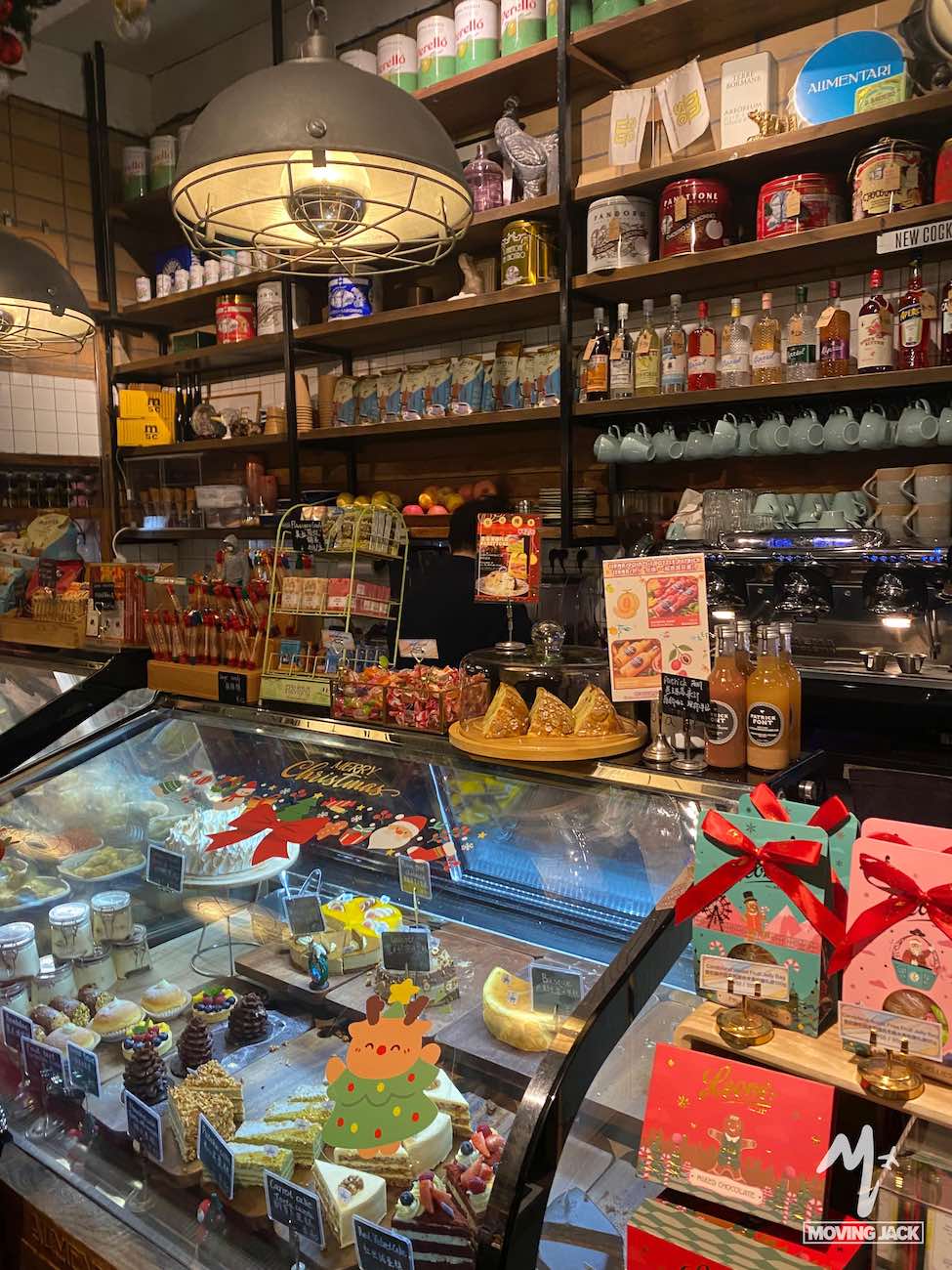
Western food is more expensive, like at places such as Alimentari. Brunch at expat cafes is around ¥100-150 per person. Pizza ¥80-150. Burgers and fries ¥70-100. Coffee at hipster cafes is ¥30-40.
Imported products hurt. That Dutch cheese or Australian wine you love? Expect 2-3x the normal price.


If you have kids, international schools are a massive expense, thousands of dollars monthly… Our son wasn’t born yet when we lived in Shanghai, so I’m not too knowledgeable about schools in Shanghai.
Clubs and fancy bars add up quickly. Cocktails ¥80-120, beer ¥40-60. Rooftop bars are even worse at ¥100-150 for cocktails. But all these things are just optional; all the basics are very affordable.
Shanghai vs Other Cities
Having lived in Beijing for two years before Shanghai, I can compare them directly. Beijing is about the same price, maybe just a tiny bit cheaper overall. The biggest difference is air quality (Beijing is worse) and vibe (Shanghai is more international).
Other Chinese cities like Chengdu, Hangzhou, Nanjing, or Xi’an are 30-40% cheaper. If the budget is tight, consider these, still amazing but way more affordable. I remember a friend telling me that he has a 140 m2 apartment in Chengdu for the same price (1400dollars) as our little home in Shanghai.
Seoul costs about 30% more than Shanghai in my experience. Especially groceries, rent (way more expensive), and eating out.
The Netherlands is significantly more expensive – maybe 50-70% more. Healthcare, food, rent, everything costs more.
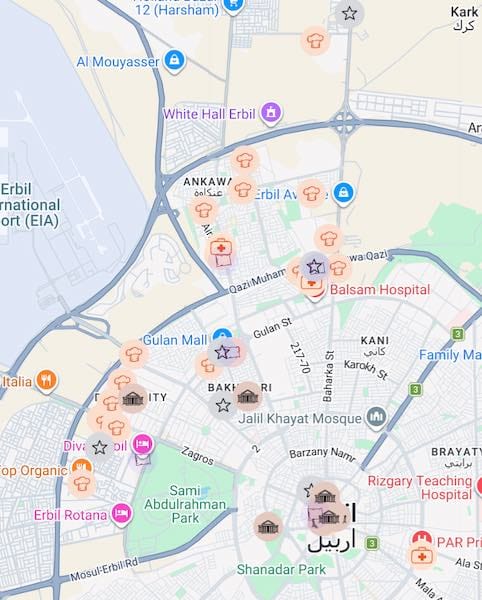
Erbil, Iraq, was about 50% cheaper than Shanghai, but a totally different lifestyle, of course.
House Hunting in Shanghai
Finding a house in Shanghai can feel overwhelming, especially if you’ve never lived in, or visited, China. But it’s actually really easy, and you can find a new home within a few days. When we moved from Beijing to Shanghai, I went on my own to Shanghai for a few days for some house-hunting. I visited around 25 houses/apartments in 3 days, and chose a place at the end of day 3!
What was funny was that there was another person also interested in that house I wanted. I already went to see it for a second time because I had some doubts (old couch, wasn’t too clean), but I thought that with some adjustments, this can be a really cool place. I noticed the other person was also interested. So I asked the house agent, what can I do so I’m sure that I have the apartment?
He said if you transfer the deposit now, it’s yours. So I grabbed my phone, transferred the deposit right away, and bam! Got it. No paperwork, no appointments, no phone calls whatsoever. Just transferred it, and I had it! I love it.


How Renting Works
Upfront costs can be significant. For our ¥9,500/month lane house, we paid ¥38,000 total upfront (~$5,600). That’s 3 months’ rent plus 1 month’s deposit. A lot of money at once, but you get the deposit back when you move out.
Contracts are usually 1 year minimum. Rent is typically paid monthly or quarterly (landlords often prefer quarterly). Many apartments come semi-furnished or furnished.
Housing Contract: Chinese vs English
Contracts in China are usually in Chinese; they might also provide an English version, but only the Chinese version is the legal version! Please remember that.
This can be a tricky thing. Here is an example of one of the contracts I signed for a house. Notice how there is an English explanation below the Chinese text. The English text says: “This contract applies to the “Contract Law of the People’s Republic of China” and relevant laws and regulations. Chinese contract terms are identical to the English contract terms, or the contract is not valid.“
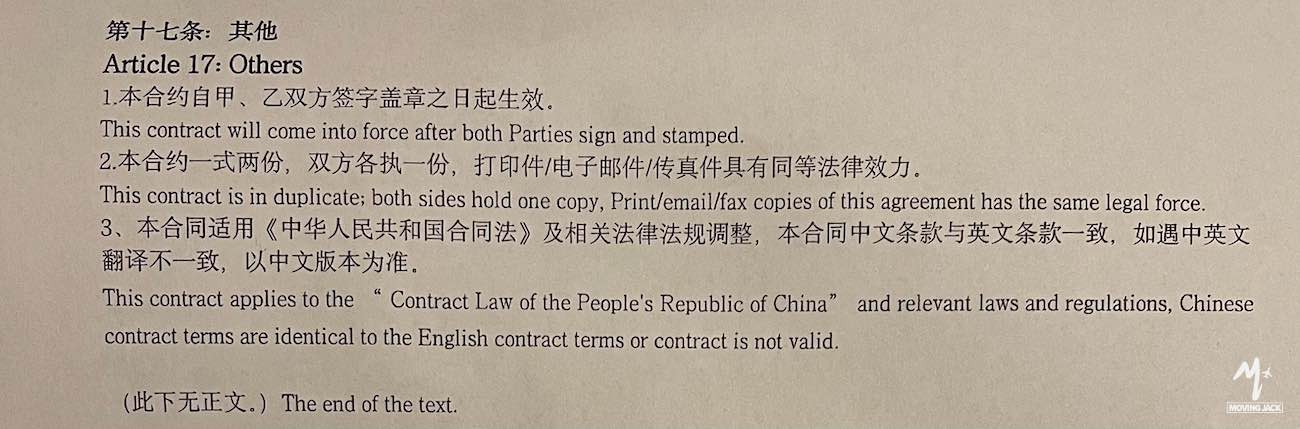
Great! So that sounds like if there is a difference between the English text and the Chinese, the contract is not valid, so you can assume signing it safely based on the English text… WRONG!
The cheeky thing is, if you translate the Chinese characters.
“3. 本合同适用《中华人民共和国合同法》及相关法律法规调整,本合同中文条款与英文条款一致,如遇中英文翻译不一致,以中文版本为准”.
It says: “This contract is governed by the Contract Law of the People’s Republic of China and other relevant laws and regulations. The Chinese and English terms of this contract are consistent. In the event of any discrepancy between the Chinese and English translations, the Chinese version shall prevail.” (You can try it in Google Translate)
See how tricky that is? Please be sure to check the contract carefully, send someone a picture to check it on their phone, or have someone with you before signing a housing contract.
Types of Houses
Lane Houses (弄堂 – Longtang) are the iconic Shanghai buildings, especially common in the French Concession. Charming, full of character, it gives you that authentic Shanghai feeling.
Modern Apartments in high-rise buildings have all the modern conveniences. Better insulation and heating/cooling, elevators, security guards, and facilities, often compound-style with gyms and pools.
Older Apartments are affordable but basic. Much cheaper rent, often good locations, and functional. But they usually need renovation, have poor sound insulation, and can be drafty.


How to Find an Apartment
Real estate agents are everywhere; there are small offices on every corner. They speak various levels of English, so having some Chinese helps a lot. They’ll show you multiple apartments, usually by car. Commission is usually one month’s rent, but paid by the landlord, not you.
But you’ll probably want to start your search online. The website I used to find a house agent was SmartShanghai, an amazing website with a lot of info about Shanghai. You can look for house agents on there, add them to WeChat, and just ask in English on WeChat if they have houses, tell them your requirements/price/dates, etc, and start house hunting!
How I did it:
I looked up apartments on the site, like this apartment on Smart Shanghai.
On the right, you can see the agent offering the house. Their WeChat is usually there as well. Add them, send them a message (any time of the day or even night is fine), and they’ll respond quickly. I added like 5 o6 agents, sent them my requirements, and made an appointment to look for houses. They usually have more houses to show you when you go.
4 House Hunting Tips:
- Visit at least 5-10 places before deciding. Don’t take the first one.
- Bring a Chinese-speaking friend, or have someone on the phone if possible, since contracts are in Chinese.
- Check water pressure, AC, heating – turn everything on and test it.
- Negotiate! Everything is negotiable in China. I even negotiated a new TV in Beijing and a new couch in Shanghai. This is way different than in Western countries.
What’s Usually Included
Most apartments come with basic furniture (bed, sofa, table, chairs), a washing machine, AC units (essential!), a water heater, basic kitchen appliances, sometimes a TV, and a fridge.
You’ll probably need to buy: a better mattress (Chinese beds are often rock hard), additional furniture for comfort, kitchen supplies, an air purifier (seriously, get a good one), bedding and towels, and curtains if not included.
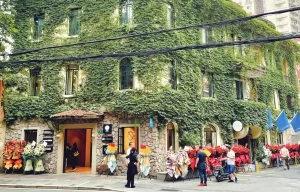
Our House on Panyu Lu
So we lived on Panyu Lu in the French Concession. Despite some of the challenges (noisy neighbors, leakage, cockroaches), I wouldn’t trade it for anything.
This is the house we lived in for a year. Two bedrooms, a big kitchen with room for a small dinner table, a small garden, a spacious living room, a bathtub, two bathrooms, and right at the heart of the French Concession. It was right across Xinfuli, a street with a lot of restaurants and coffee shops.

A funny thing about the house: at the backside of the house, the kitchen was extended. When Chinese friends came over, they immediately noticed it and said that the extension is probably not legal! Wait… what? My friend said yes, it’s illegal to extend these old, authentic houses, so the landlord must have really good connections! Right! It’s one of those remarkable things about how things work in China.

Our place had two bedrooms, a small living room, a kitchen, one bathtub, two bathrooms, and a little private courtyard. Rent was ¥9,500/month (~$1,400).
What I loved: the location was perfect. We could walk to everything, amazing local restaurants within 5 minutes, hidden bars and cafes everywhere, metro stations about 10 minutes away, wet markets, small local shops, and beautiful tree-lined streets for evening walks.

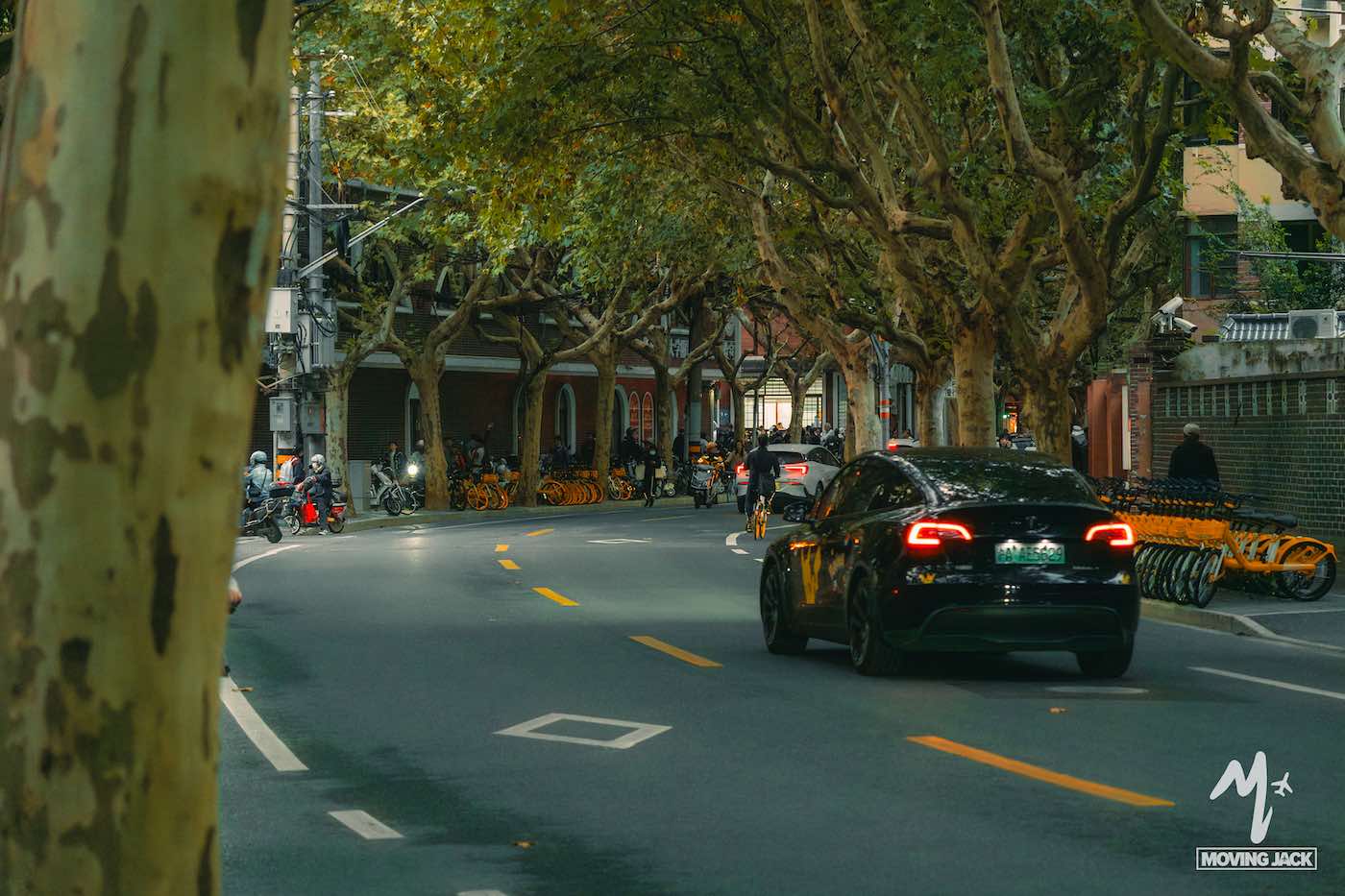
The street itself was quiet with old plane trees creating a canopy. Walk around the corner and you’re in the middle of the action.
The challenges were real, though. Freezing in winter (luckily, we had floor heating), hot and humid in summer due to poor insulation. Occasional humidity problems. Could hear neighbor blowing his nose (and they could hear us).
But the neighborhood made up for all of it. The charm, the location, and the feeling of living in historic Shanghai are worth every little frustration.


Neighborhoods: Where to Live
Shanghai is massive and each neighborhood has its own character.
The French Concession is where I lived on Phanyu Lu. Tree-lined streets with plane trees creating a canopy, historic lane houses, hip cafes and hidden bars, international restaurants, and walkable. Perfect mix of old Shanghai charm and modern expat convenience. Rent runs ¥8,000-15,000+ depending on size and quality.
I absolutely loved living here. Yes, our lane house had issues. But the neighborhood made up for everything.

Jing’an is modern Shanghai. Skyscrapers, shopping malls, office buildings, high-end restaurants. Polished, convenient, central. Everything is new and shiny. Impressive and convenient, but lacks soul.
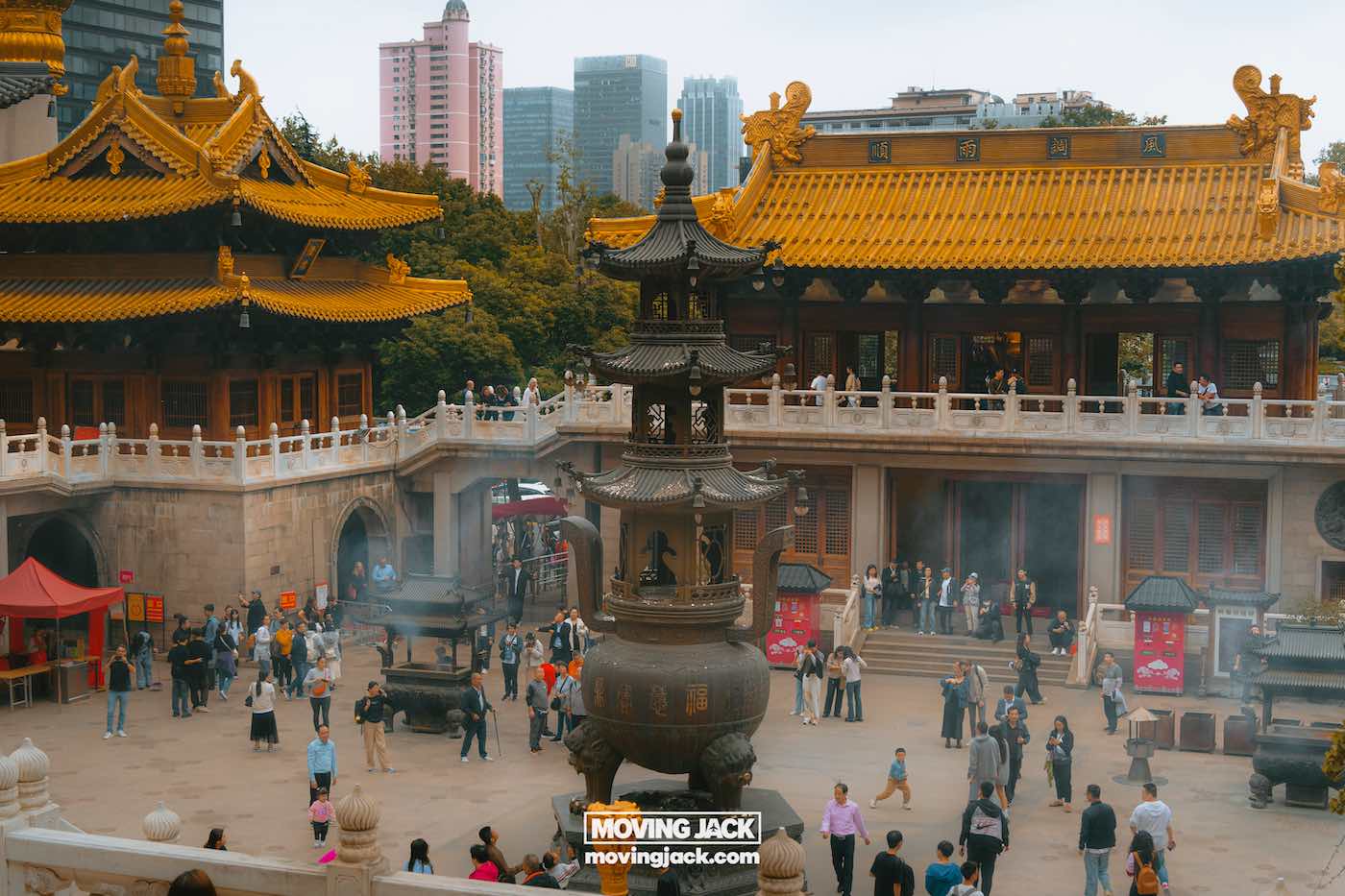
Pudong is the business district across the river. Iconic skyline. Modern, spread out, family-oriented. Great for families with kids, thanks to international schools. More space for your money. But lacks the history and charm.

Hongkou has a more local feel, still expat-friendly. Near the Bund. More authentic, residential, grittier, and affordable, but I never came here a lot.
How to choose: If you’re new to Shanghai, start in the French Concession. Easiest area for expats to adjust while still experiencing authentic Shanghai.
But honestly, there are no bad areas in Shanghai, just choose one that’s convenient, close to a subway station, and some supermarkets, and you’re good to go.
Daily Life: Food, Apps & Getting Around
Shanghai is perhaps the most efficient and convenient city I’ve ever lived in and visited.
The Food Scene
Shanghai food is absolutely incredible. And you can choose between local and international food.
- Local Chinese food I ate a lot:
Xiaolongbao (soup dumplings) ¥12-20 for 8 pieces. - Dan dan noodles. ¥20-30 for a big bowl.
- Hot pot – social, interactive, fun.
- Jianbing – breakfast crepe with egg.
- Dumplings of every kind – boiled, fried, steamed, soup-filled.
- Noodles – hand-pulled, knife-cut, rice noodles, wheat noodles.

Where to eat
Local restaurants – small family-run places with plastic stools and no English menus. Full meal for ¥30-50. Best food in the city. Don’t be intimidated, point at what other people are eating.
Street food vendors set up on corners in the evening. Skewers, dumplings, pancakes, grilled meat. Dinner for ¥20-40. Sometimes the best food you’ll find.
I could eat Chinese food every single day. And I often did. One of my favorite places is Lotus Eatery.
Western food when you’re craving home food: brunch cafes are ¥100-150 per person, Italian restaurants have pizza for ¥80-150, and burgers ¥70-100. Expensive compared to Chinese food, but sometimes you need that comfort. Alimentari and Fellas are my favorite places to go.

Food Delivery
Meituan and Ele.me are the main delivery apps. Incredibly fast and delivers almost anything.
Browse restaurants, order, track the delivery driver on the map, and food arrives in 20-40 minutes. Dangerously convenient… some weeks we ordered delivery 4-5 times because it was so easy. I woke up, ordered coffee and a croissant, and 15 minutes later it was there, crazy.
Shopping
Family Mart / Lawson are convenience stores open 24/7. My late-night savior. Taobao is the online shopping app where you buy anything – furniture, electronics, clothes, food, literally. Delivery usually next day or same day.
Essential Apps
You cannot function in Shanghai without certain apps.
- WeChat (微信): This is THE app. You literally cannot live in Shanghai without WeChat. Messaging, voice and video calls, payments (scan QR codes everywhere), food delivery, taxi booking, work communication, group chats, social media, mini programs for thousands of services, bank transfers, paying utilities. Literally everything.
- Alipay (支付宝): Alternative payment app. Some places prefer one over the other, so just get both.
- Didi (滴滴): Taxis
- Meituan / Ele.me: Food delivery
- Taobao: Shopping app where you can buy anything, anything!!
- Amap (高德地图): Navigation app. Better than Google Maps in China.
- Dianping (大众点评): Restaurant reviews. Like Yelp but Chinese. Essential for finding good food.
- VPN: Necessary to access Google, Gmail, Facebook, Instagram, WhatsApp, YouTube, many Western websites. I tried ExpressVPN, Internet Access, NordVPN but the one that works best in China is Astrill. My Chinese friends use it as well. Without a VPN, you’re cut off from most of the Western Internet.
Setting Everything Up
Phone: Buy a Chinese SIM card at the airport or any phone shop. Bring your passport. China Mobile, China Unicom, or China Telecom. ¥50-100/month for unlimited data.
Bank Account: You need this to link to WeChat/Alipay. Bring a passport and proof of address. Bank of China or ICBC is foreigner-friendly. It can be challenging to open without a work visa. Process takes 30-60 minutes.
VPN: Download and set up BEFORE arriving. VPN websites are blocked once you’re there.
Getting Around Shanghai
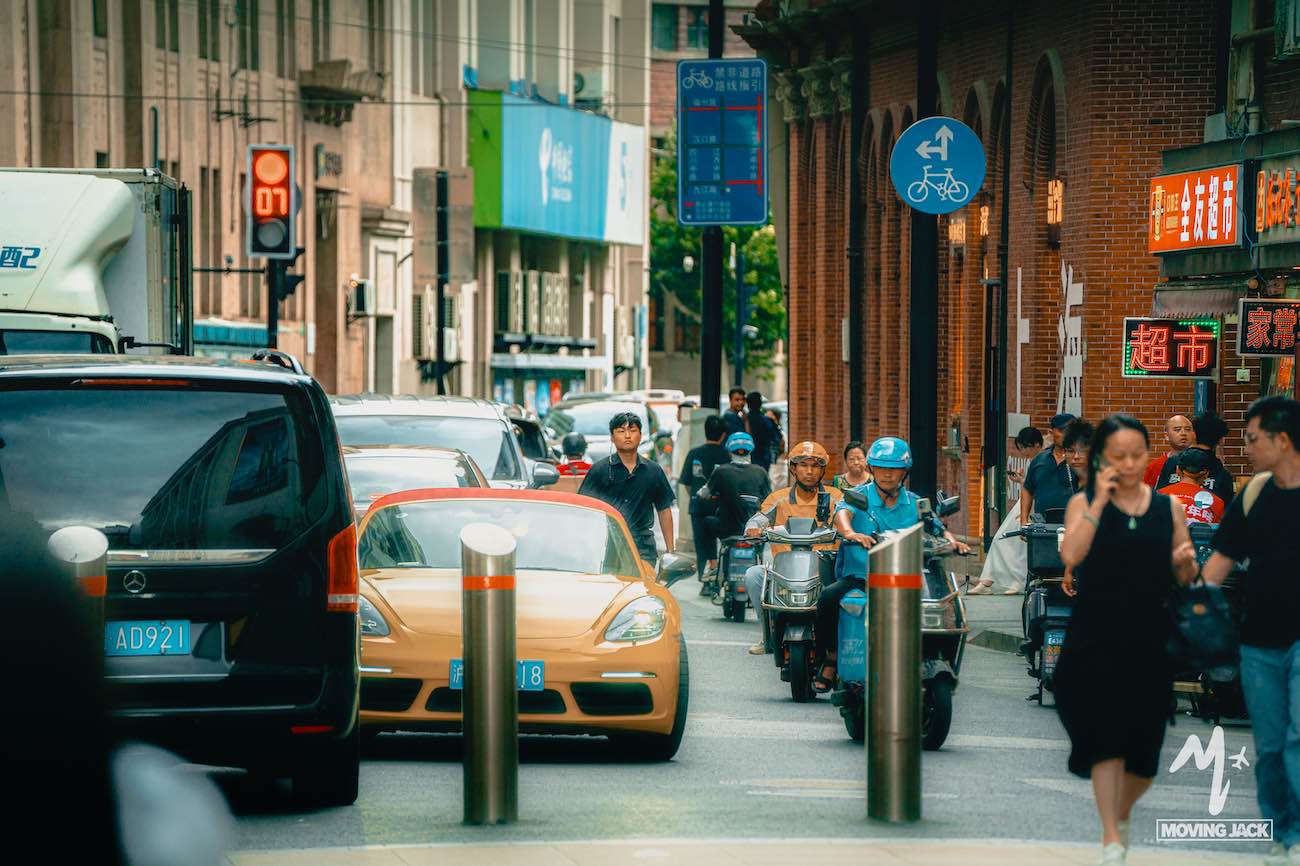
Shanghai is huge – 25 million people spread across a massive area. But somehow I never felt like being in a massive city, most areas feel very local and cozy, actually.
The Metro
The Shanghai Metro is one of the best subway systems in the world. I used it almost daily and rarely had problems.
You can use your phone (Alipay or WeChat) to tap in and out, no need for a physical card. Just hold your phone to the reader, and it deducts automatically. Or get a physical Shanghai Public Transportation Card at any metro station. English is available at the ticket machines.
Electric Scooters
This deserves its own section because it completely transformed my year in Shanghai.
I bought an electric NIU scooter for $500(!) and suddenly the entire city opened up in a way it hadn’t before.
I had total freedom to go anywhere, anytime. No waiting for metros or taxis. Easy to park. Fun to ride. Saved massive amounts of money. Fast enough to get across the city at 30-40 km/h. Could explore neighborhoods easily. Charging costs almost nothing.
You ride in very spacious bike lanes on most major streets. You can swirl through traffic, take shortcuts through alleys, and feel the city in a way you can’t from underground or in a car.
The downsides: None! (ok it’s not the best option when it rains ) Just the best way to get around, solo, that is, because it’s not allowed to have someone sitting behind you. Oh, and you need to wear a helmet.
Shared Bikes
Mobike and Hello Bike are everywhere. Literally every street corner has piles of shared bikes.
Download Alipay (connect your credit card), scan the QR code on the bike, unlock it, ride it, lock it, and leave it anywhere. Costs ¥1-2 per ride. Great for short trips and just realy fun to explore the city, especially the French Concession.

Taxis and Didi
Didi is China’s version of Uber, and it’s essential for expats.
Download the app, link WeChat Pay or Alipay, enter the destination, the driver accepts and picks you up, and pay through the app. Easy to get a ride almost anywhere, cashless payment, track your route, cheaper than taxis usually.
The cons: drivers sometimes cancel if they don’t like your destination, or for no clear reason.

Driving
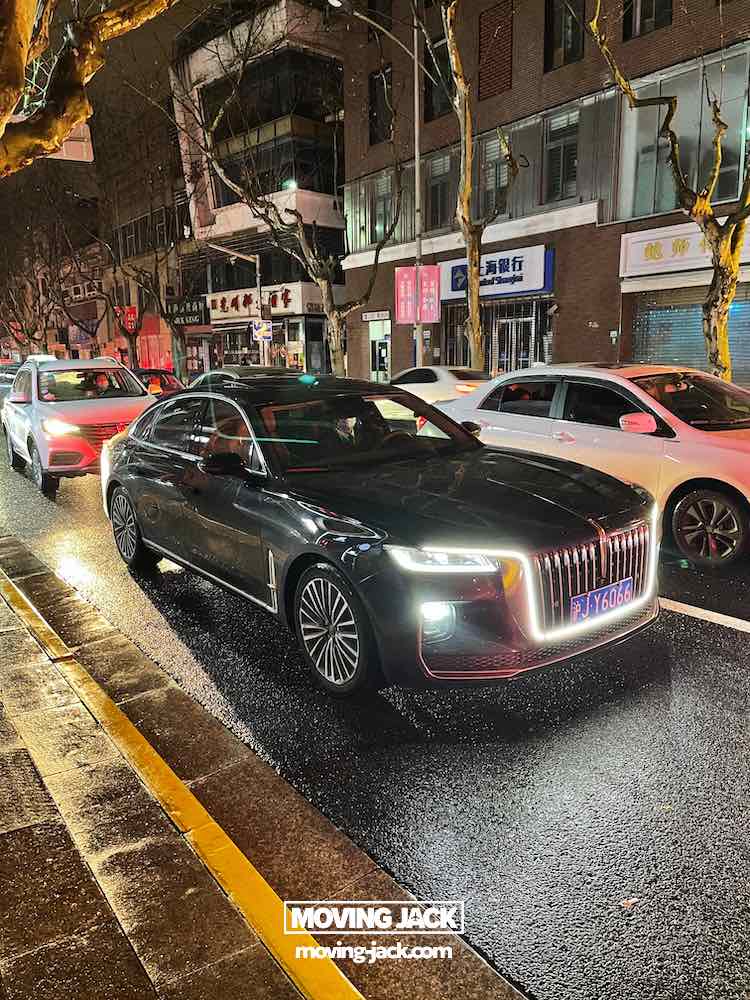
We didn’t own a car, and honestly, you don’t need one. The metro/scooter/Didi combo works much better. Driving in Shanghai is a tricky thing because they only allow cars with Shanghai license plates, which are tough to get, and on weekends, all license plates are allowed.

Walking
Shanghai is too big to walk everywhere. The blocks are huge, and distances are long. But within neighborhoods like the French Concession, walking is great – tree-lined streets, interesting architecture, lots to see.
Healthcare in Shanghai
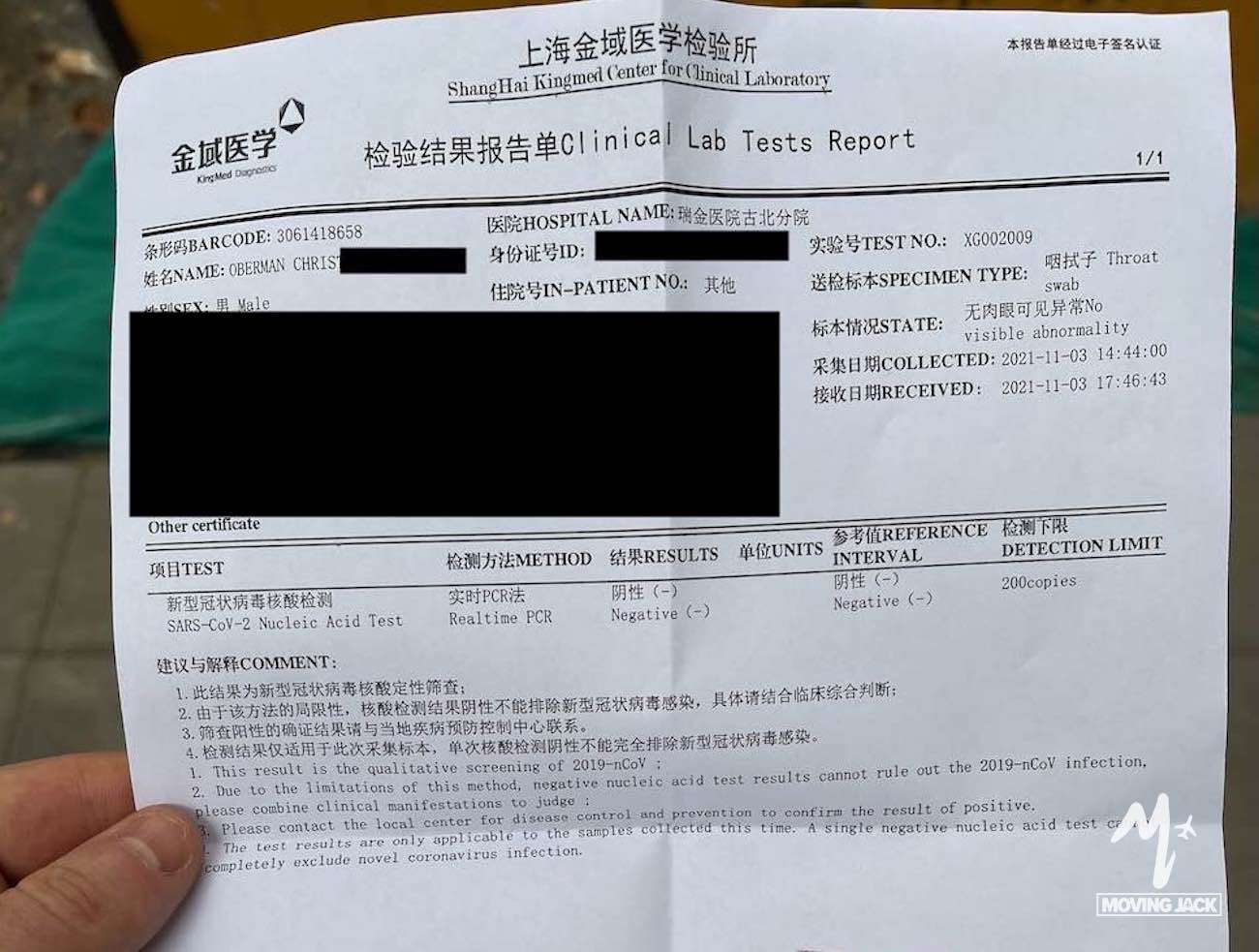
Healthcare is a mixed bag for foreigners. I lived in Beijing and Shanghai during the COVID era, so I visited a lot of hospitals to do COVID tests.
International Hospitals
These are favored among expats, with English-speaking doctors and Western-style care. Examples include Shanghai United Family Hospital, Shanghai East International Medical Center, Parkway Health, Raffles Medical.
English-speaking staff, Western-style care and bedside manner, modern equipment, accept international insurance, appointment system with no long waits.
Use these for serious issues, specialists, surgeries, and anything requiring clear communication.
Local Chinese Hospitals
Much cheaper at ¥50-100 for consultation. Good quality care for basic issues. But minimal to no English, a different approach to medicine, and a chaotic environment. I usually went ot Beijing Family United Hospital, that’s the best one.

Pharmacies
Pharmacies are everywhere – on every block. Most medicines that require prescriptions in Western countries are available over the counter. Antibiotics ¥30-80, cold medicine ¥20-40, painkillers ¥15-30.
Take a photo of the medicine you need or use a translation app to show the pharmacist.
Insurance
If you’re working in Shanghai, your company will probably provide basic Chinese insurance. Many expats also get international insurance for access to international hospitals and coverage outside China.
I had OOM insurance, but that’s only for Dutch nationals.
Working in Shanghai
I worked at a Chinese company while living in Shanghai. Gave me a completely different experience than most expats who work for international companies.
Chinese Work Culture
What surprised me most:
Long hours are expected. Official hours might be 9am-6pm, but everyone stays until 8-9pm. Sometimes later. Leaving at 6pm looks bad even if your work is done. “996” culture exists in some industries, especially tech startups.
Hierarchy matters. Age and position trump everything. You respect your elders. You don’t challenge your boss directly.
Face (面子) is everything. Saving face and maintaining harmony is crucial. You don’t criticize people directly. You don’t embarrass someone in front of others. If someone makes a mistake, you address it privately and gently.
Meetings are… interesting. Lots of meetings. Long meetings. But decisions often happen outside meetings through WeChat or informal conversations.
Relationships (关系 – Guanxi) – who you know matters as much as what you know. Building relationships with colleagues and business contacts is crucial. You take people to dinner, give gifts, help each other out.
WeChat for everything. Work happens on WeChat. Messages come at all hours – weekends, late nights, early mornings. Work never fully stops.
Language in the Workplace
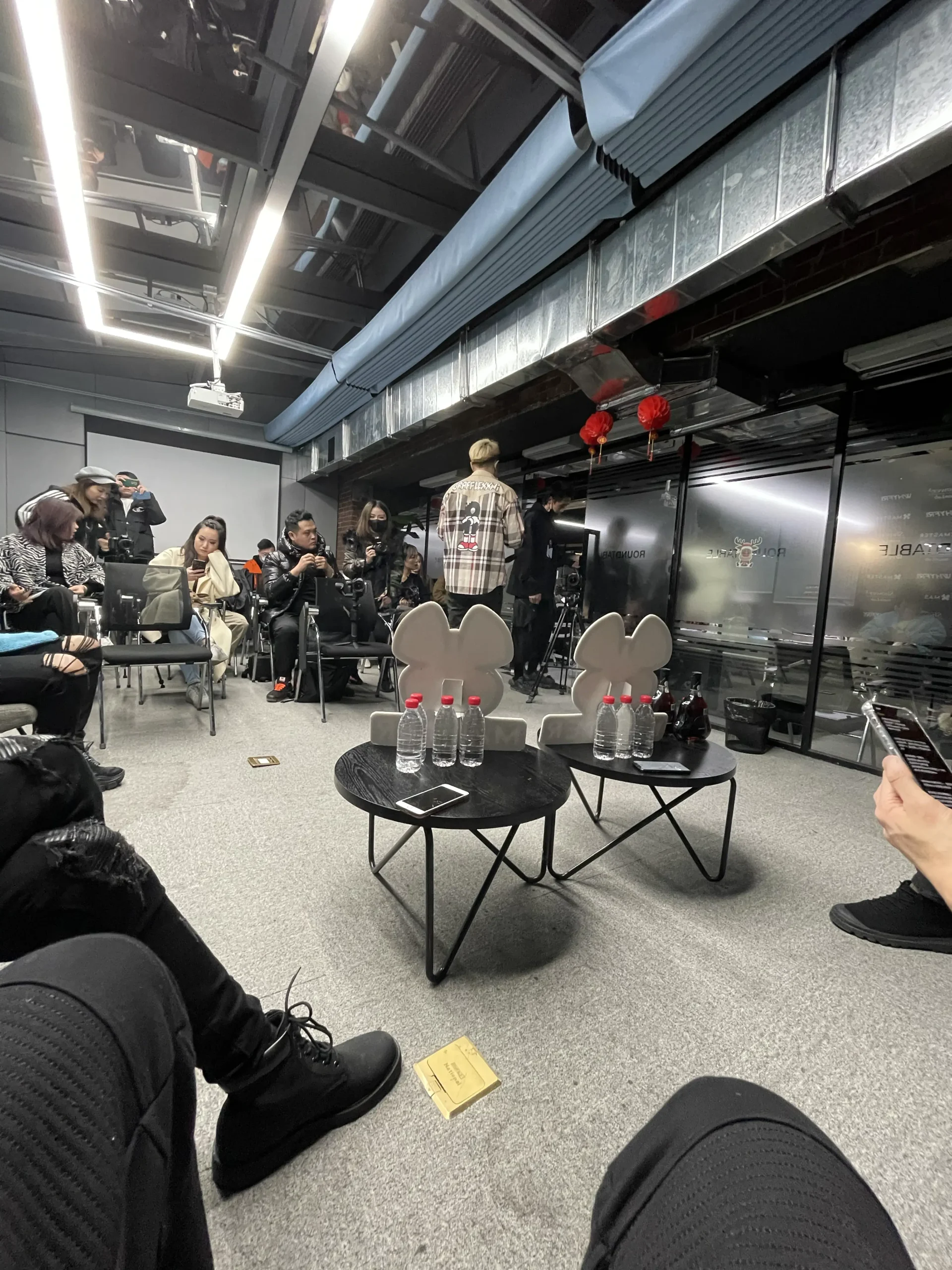
Working at a local company with some Chinese language skills made a huge difference.
It helped me build better relationships with colleagues, understand what was actually happening, navigate office politics, show respect for local culture, get included in social activities, earn trust from management.
My advice: Learn as much Chinese as possible before arriving. Even basic conversational Chinese will dramatically improve your work experience.
Working at a Nightclub
I worked at one of Shanghai’s biggest and most expensive nightclubs. Experiencing Chinese work culture in an intense form.
The hours were crazy, nights and weekends, often until 5-6 am. But the energy was amazing. International DJs, packed dance floors, beautiful production, crowds partying, including me, until dawn.
I’m used to being direct (European style). In China, you read between the lines. When my boss said “we’ll think about it,” it meant no. When colleagues said “maybe tomorrow,” it meant no way that’s happening. So whenever you hear that, don’t go like, ok, cool, let’s do it tomorrow! It’s not happening.
It even happened a few times that someone said, ok, maybe we can have a meeting tomorrow! Even with this specific mention of a meeting, it never happened. It’s all about building relationships.
The Expat Community in Shanghai
Shanghai has one of the world’s largest expat communities. Tens of thousands of foreigners from every country.
Makes it both easy (instant social life) and potentially limiting (expat bubble is real).

Making Friends
Expat friends are super easy to make. The community is welcoming and social.
I met people through work, bars and clubs, pub quizzes, sports leagues, language courses, and networking events. Always something happening – parties, bar events, game nights, cultural events.
Chinese friends are harder but more rewarding and essential for truly experiencing Shanghai.
I met a Chinese guy who became one of my best friends. I actually met him in Beijing, but he moved to Shanghai and got me the job at the club in Shanghai. Beause of him my wife and I both moved to Shanghai!
The Expat Bubble
Reality: It’s very easy to live in Shanghai and only interact with other expats.
French Concession bars full of foreigners. International restaurants. English-language events. You can create a little Western bubble and never really experience Chinese culture.
I’ve seen expats live in Shanghai for years and barely speak Chinese, never eat local food, only have foreign friends. It’s a waste.
What I did to avoid it: ate at local restaurants regularly, shopped at wet markets, took Chinese lessons, made Chinese friends and hung out with them, joined Chinese hobby groups, used Chinese apps, talked to neighbors and shop owners.
My advice: Balance both worlds. Enjoy the expat community but don’t let it become your entire life. Push yourself a bit to engage with Chinese culture. Especially in Shanghai, it’s tempting to choose the easy way and stay in the international bubble.
Learning Chinese
I took lessons once a week and practiced daily. Mandarin is hard. The tones are difficult at first. Characters are overwhelming but I found it really fun to learn.
Even basic Chinese helps a lot: ordering food, taking taxis, shopping, building relationships, showing cultural respect, getting better prices some times, and just understanding a bit better what’s happening around you.
Essential phrases I used constantly: 你好 (hello), 谢谢 (thank you), 多少钱 (how much), 我不懂 (I don’t understand), 在哪里 (where is), 买单 (check please), 这个 (this one), 太贵了 (too expensive), 不要辣 (no spicy).
Even butchering these phrases got smiles and appreciation from the locals.
Challenges of Living in Shanghai
Let me be completely honest about the hard parts.
Air Pollution
Some days, the air quality is terrible. AQI goes up to 150-200-300 on bad days, especially in the winter. You wake up, and the sky is just completely gray. You can kind of taste the air… But it has gotten a lot better over the years, and it’s not as bad as Beijing.
The Great Firewall
Living behind the Great Firewall is frustrating. Google, Gmail, Google Maps, Facebook, Instagram, WhatsApp, YouTube, Netflix, many Western news sites – all blocked.
You need a VPN but they’re inconsistent. Sometimes they work great, sometimes they don’t work at all. The government cracks down periodically.
You adapt by using Chinese alternatives, but it’s never quite the same.
Language Barrier
Even with basic Chinese, there are constant communication challenges.
Where it’s hardest: government offices, utility companies, banks, healthcare, deliveries, customer service. Exhausting navigating daily life when you can’t fully communicate.
Cultural Differences
Some differences are harder to adapt to.
Queuing – or lack thereof. Lines don’t work the same way. People push, cut, squeeze in. Not considered rude, just normal.
Personal space is much less of a concept. People stand very close on metro. Push past you on sidewalks.
Staring – if you’re obviously foreign, especially outside Shanghai in rural areas, people might stare or even take photos sometimes. It never bothered me, and I happily took photos with locals I had never met before!
In the end, you just have to let go of some Western expectations. Getting frustrated by differences will make your stay in Shanghai and China miserable.
Other Challenges
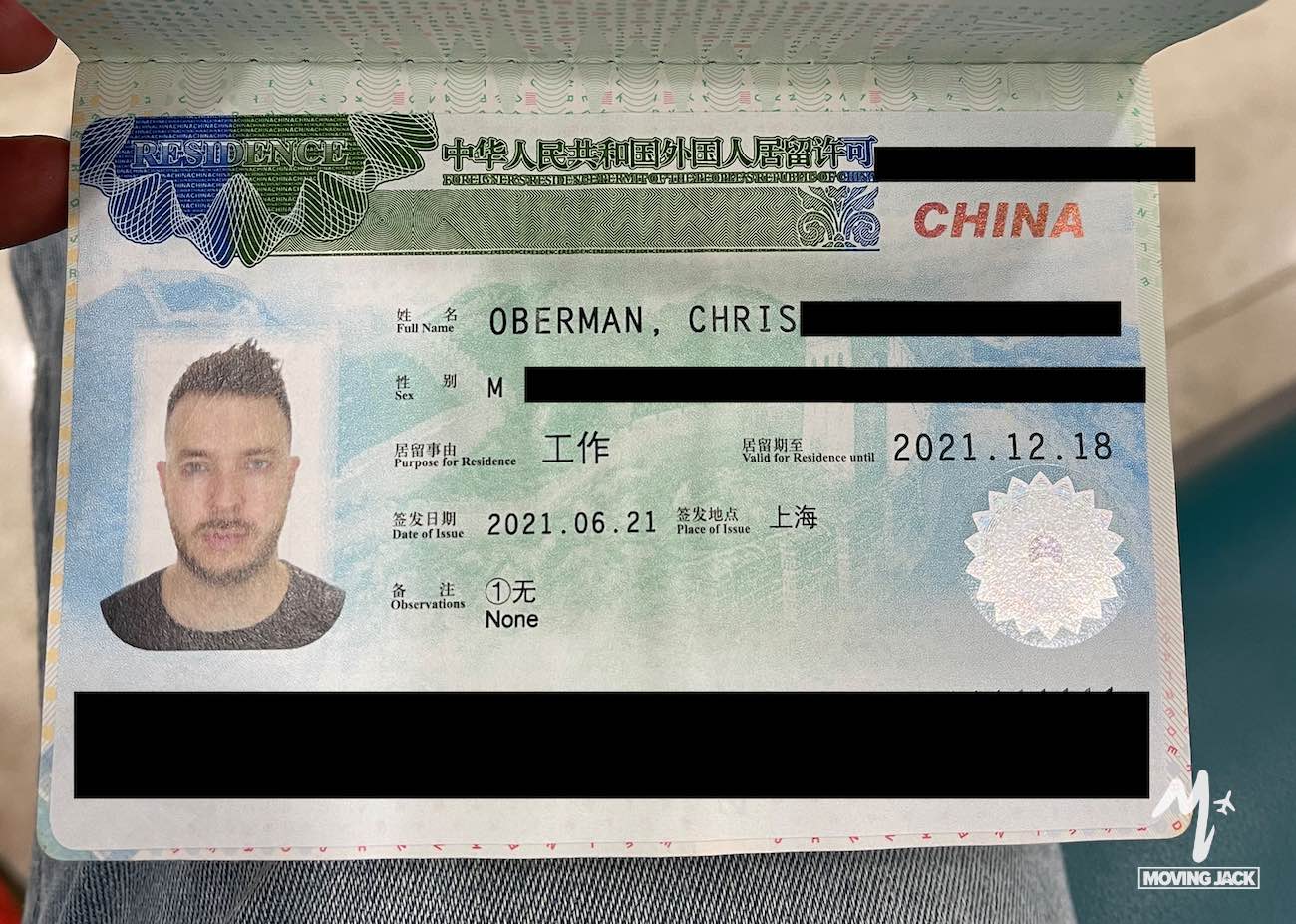
Bureaucracy can be tough. Visas require tons of paperwork. Everything official needs stamps. Distance from home can be emotionally hard and the time zones make communication difficult.
Final Thoughts
Shanghai was one of the most intense experiences of my life: I worked at the biggest night club, worked a lot at night, made friends for life, lived there on my own for a few months when my wife went back home for her job and I had to do shows, had a lot of visa-stress, got hired, fired and hired again, and met some big bosses of the nightlife.
But I was alive, it was exciting, dynamic, fascinating, and even addictive.
You’ll have days where you love it and days where you can’t wait to leave. Sometimes both in the same day.
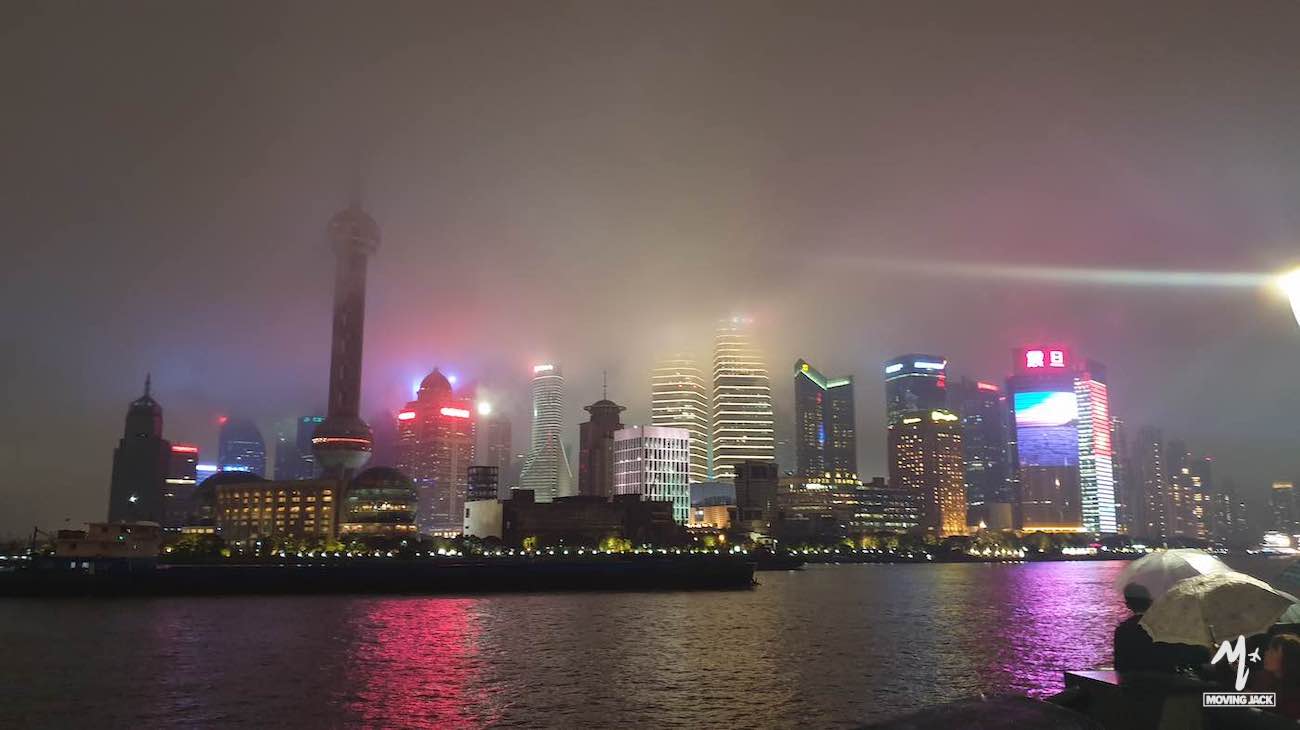
What makes Shanghai special is the mix of old and new. You eat breakfast at a 100-year-old dumpling shop where the owner still hand-makes everything. Then grab coffee at a minimalist cafe designed by a Japanese architect. Then ride your electric scooter through old lane houses past skyscrapers. Then party at a world-class nightclub until dawn. Then eat street noodles at sunrise with locals heading to work. It was really like that.
The energy is amazing. Everyone is building, making money, creating, and chasing dreams, including me.
If you’re thinking about going to Shanghai but aren’t sure where to stay, check out my full ” Where to Stay in Shanghai guide, which discusses each area in detail.
Summary: Pros and Cons
Pros: Incredibly exciting and dynamic city. Cheap and efficient public transport. Electric scooters make life easy. Incredible nightlife. Rich history everywhere. Easy to travel around Asia. Modern conveniences. Large expat community. Affordable compared to Western cities.
Cons: Air pollution genuinely affects the quality of life. Language barrier can create some daily frustrations but you can get far with English in Shanghai. The Great Firewall can feel isolating at first, but you get used to it. Lots of bureaucracy, I’ve been to the visa bureau like 10 times. Distance from home and family can be tough, but that’s part of living abroad.
Should you live in Shanghai?
Go if you’re young and energetic, you like chaos and change, you’re curious about Chinese culture, you can handle discomfort and frustration, you’re adventurous and adaptable.
Maybe reconsider if you need personal space and quiet, you’re very attached to Western comforts, you have serious health issues (pollution concern), you need work-life balance, or you can’t be far from family.
Would I do it again?
Absolutely yes. Without hesitation. If we can move to Shanghai after Seoul, I’d love to. If you get the chance to live in Shanghai, take it! It will challenge you, exhaust you, frustrate you, change you, and give you stories for the rest of your life.