



Choosing a name for your travel blog sounds easy, but is it?
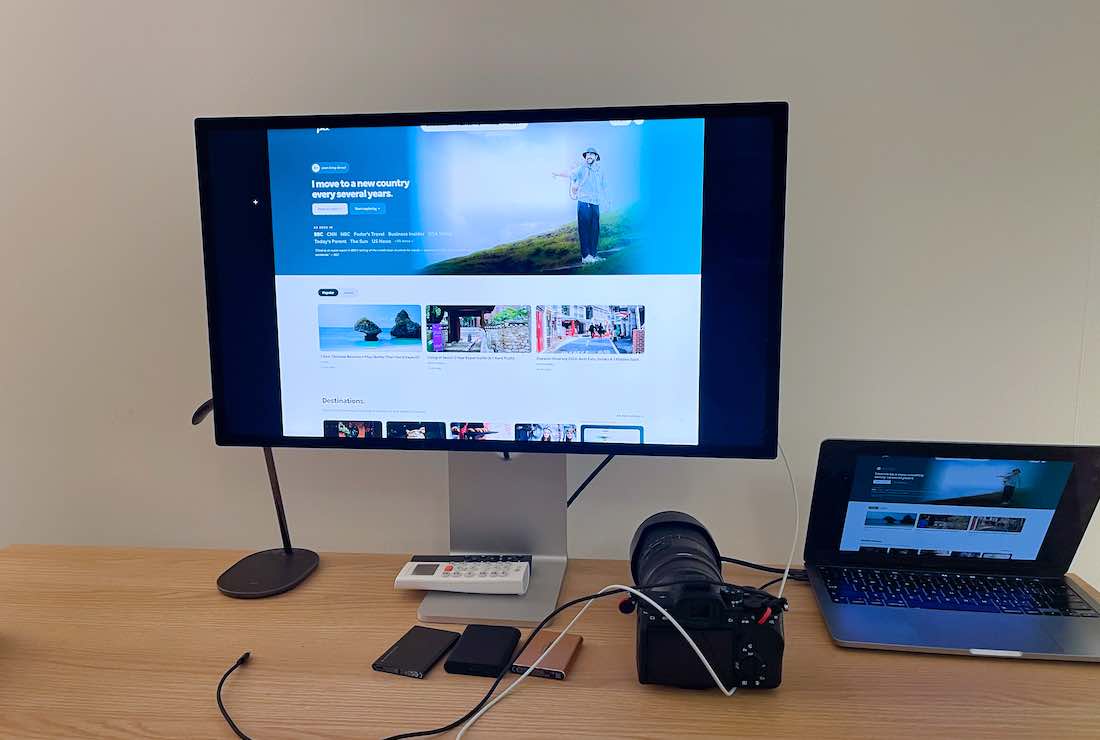
I have been writing as Moving Jack since 2022. The domain, the logo, the social handles, the email address. My identity online is built around this one name. I came up with it sitting in a hotel in Iraq…
This is not a generic travel blog names list post. There are already tons of those out there! This is the process I used to come up with my travel blog name, and how you can think of a creative and unique travel blog name for yourself!
200 name ideas are at the bottom of this post, but please read the process first. The name ideas are useful, but the criteria/methods for picking one are what actually matter.
Travel Blog Name Fundamentals
Here are some fundamentals you need to know before choosing a good travel blog name:
How I Came up with “moving Jack”
I was a DJ for years. My stage name was Jack of Sound (and later Mashup Jack for my mashup project). When I started blogging in 2022, I was about to move to Iraqi Kurdistan.
I honestly had no idea what to do in Iraq; I couldn’t perform as a DJ there, so I had to think of something else. I always liked photography and writing, so starting a travel blog seemed like the right direction.
I wanted to keep “Jack” because it was already known in the music scene. I had built some social media following around it. So I just needed something that explained the new project. I was moving. A lot! The blog was about actually LIVING in places, not just visiting them.
I wanted it to be short, something with Jack, and something related to traveling/moving.
“Moving Jack” came to me in like 15 minutes. Short, easy to say, easy to spell, fits my whole story. The domain was available, the social handles were available, and I bought everything that same day.
Why Your Travel Blog Name Matters
On the one hand, your blog name doesn’t really matter; it’s all about the content! But there are some reasons why your name DOES matter:
- Your own motivation. A name you love makes you want to keep showing up. A name you hate makes every “I should write today” thought feel a little bit worse… This was one of the most important things for me. And by branding it, it feels real, and like a real business you can work on and try to grow.
- Brand recognition. People who read one post might come back if your name is memorable. They will not remember “globaltrekkerblog2024.com.”
- Content Ideas. Your name could help with creating more content ideas. So let’s say your name is SoloSally.com. It would make sense to write several solo traveling blog posts.
- Press and PR opportunities. I have been featured in the BBC, NBC, and Business Insider. Journalists need a name they can type easily, that doesn’t need much explanation, and that sounds professional in their articles.
- Social media handles. Same name across Instagram, YouTube, Pinterest, TikTok = professional. Different names everywhere are not good branding.
- Sale value down the road. A brandable name with a clean .com domain is worth real money. Generic descriptive names are not.
So even though the name does not directly bring traffic, it does shape how seriously people take you. Including yourself!
7 Rules for a Travel Blog Name
These are the rules I followed when choosing my travel blog name:
1. Keep It Short
The shorter, the better. “Moving Jack” is 11 characters, including the space. “Nomadic Matt” is 12. “The Blonde Abroad” is 17, and that is honestly already a bit long.
Long names can create issues everywhere. Your domain is a mouthful, and you need to explain it a lot. Your Instagram handle gets long. Your email signature can look cluttered. People might misspell it more often, etc., or they will be like, ” Huh? What’s your site’s name?
Test: Say your name out loud on a phone call. If you have to repeat it or spell it letter by letter, it is too complicated.
2. Do Not Lock Yourself into One Country
This is probably the biggest mistake I see new bloggers make. They start with “BackpackingThailand.com” or “ItalyWithAna.com” because it started as a hobby they are passionate about, which is that one country right now. Then, 3 years later, they have moved on; they are writing about other places, and the name no longer fits.
I see this a lot. Bloggers pick country-specific names. Then they write about other countries, but it no longer matches their brand.
Exceptions: if your whole niche is really one country forever, fine. Some bloggers really do specialize in one country. But for most travel bloggers, your interests will probably change, and your name should be flexible enough to evolve with you.

3. Make Sure the .com Is Available
Not the .net. Not the .blog. Not the .travel. The .com.
I know many .com domains are taken these days, but you can still find good ones. You might need to be creative or compound two words together, but .com is worth the effort. Why?
- People type “.com” by reflex, even when you tell them otherwise
- Email looks more professional (“hello@yourblog.com” vs “hello@yourblog.travel”)
- Higher resale value if you ever sell the blog
- Easier to remember and share verbally
Suppose your dream name is only available as .net or .blog, I would advise picking a different name.
PRO Tip: Buy the .co domain. There is a really sneaky tactic where someone buys the .co version of an established blog's name. They then email journalists, bloggers, and websites that linked to your .com. The message is something like "hey actually our site is .co not .com, could you update the link?" If the writer is busy and just updates without really checking it, the scammer has stolen a high authority backlink from YOUR brand. I have seen this happen to other bloggers, and it is honestly really annoying to fix. Just register the .co yourself for like $ 20 to $ 30 a year.
4. Check the Domain’s Previous Owner
Before you buy any domain, check if it has a previous owner. A “fresh” domain you can register today might actually have a history you cannot see at first.
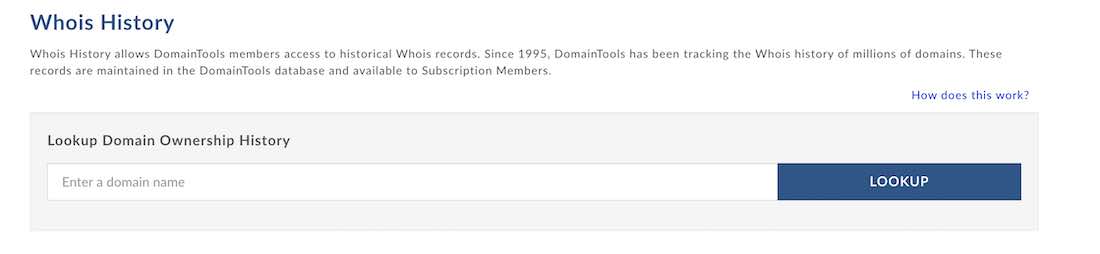
When I picked Moving Jack, the .com was already taken! So I checked the history of movingjack.com on Domain Tools and saw it was owned by someone many years ago. The site was long dead, but the domain had a past. That made me nervous.
Why does this matter? A previously owned domain can come with baggage. Google penalties from old spammy content, weird backlinks from sketchy sites, a banned reputation in some niches. You will not see any of this when you buy it. But you will feel it when your new site refuses to rank, no matter what you do.
So I went with moving-jack.com (with the hyphen) as a fresh domain instead. I also bought movingjack.com when it became available, and I set up a 301 redirect to moving-jack.com. So anyone who types it without the hyphen still ends up on my site. That is something I would recommend doing as soon as you can. Defensive domain registrations are cheap insurance against people typing your URL wrong or future squatters.
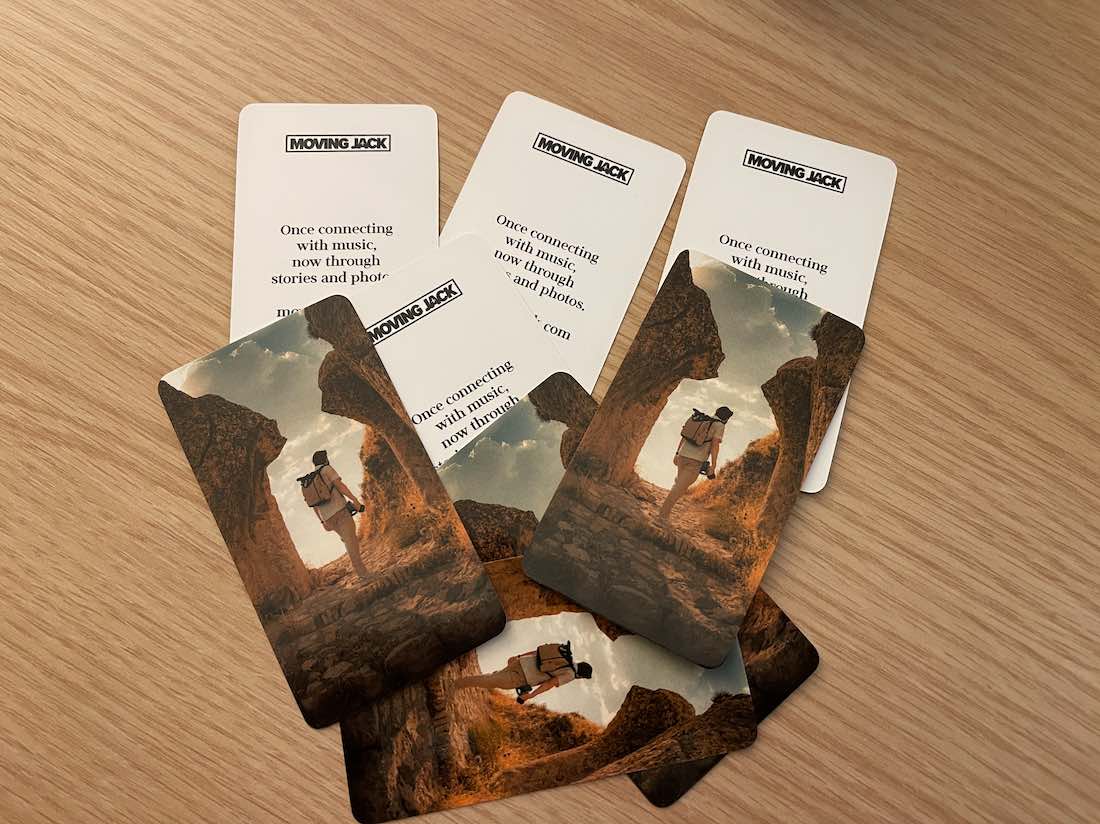
Plus, it looks better on business cards without the hyphen!
How to check a domain’s history:
- Search the domain on archive.org and see if it has snapshots from past years
- Run a Google search of “site:yourdomain.com” to see if any old pages are still indexed
- Use a tool like Wayback Machine or DomainTools for deeper history
- Check for backlinks to the old domain using a free Ahrefs backlink checker
If the domain has a clean history (no snapshots, no old indexed pages, no weird backlinks), you are usually fine. If it has a lot of history, ask yourself if you want to inherit all of that or just start fresh.
5. Check Social Handles
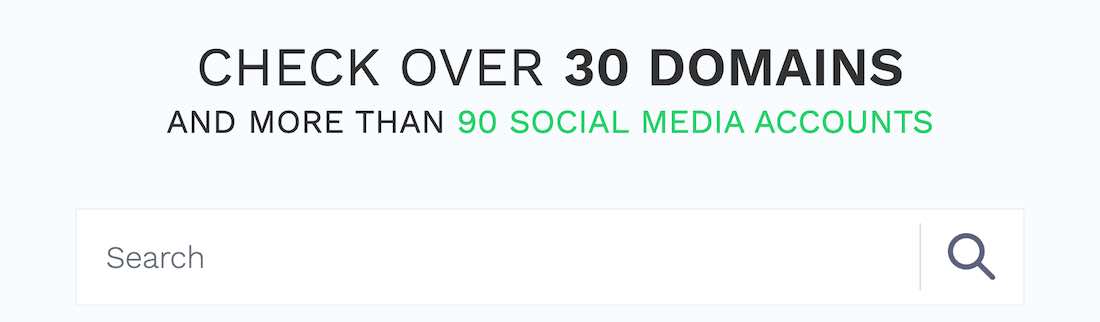
Before you buy the domain, check if the handle is available on social media platforms like Instagram, YouTube, Pinterest, TikTok, Facebook, and Threads. You could use a website like Namechk to check all of them at once.
I got lucky with Moving Jack because the handle was available everywhere. But I have friends who are locked into a domain, only to find out their Instagram handle has been taken.
If you found a name but reeeeally like it, and there are a few social handles already taken, I wouldn’t stress too much about it, as long as these aren’t big accounts with lots of followers, I would just go with it anyway.
My handle (movingjack) was taken on YouTube, but it has 0 followers and just 1 video. So my YouTube handle became https://www.youtube.com/@moving-jack.
Quick win: Even if you are not ready to post yet, just register your handles. Reserve them. It costs nothing.
6. Pick Something You Can Brand
This is the big one. There are 2 types of blog names:
- Descriptive: “AsiaTravelGuides,” “BudgetBackpacker,” “WorldFoodAdventures.” These describe what you do.
- Brandable: “Moving Jack,” “Nomadic Matt,” “The Blonde Abroad,” “Expert Vagabond.” These are names that mean nothing on their own but become associated with you.
Descriptive names feel safer because they explain the blog. But they are forgettable, they are crowded with competitors, and they limit your growth into other topics.
Brandable names feel weird at first because they do not “say” anything. But they grow with you. They become recognizable. They are what big media outlets want to feature.
If you can, go brandable.
7. Think of a Name with a Story
A name with a story is so much more useful than a generic descriptive one like “travelwithanna” or “wanderlustadventures.” Both kinds of names work technically, but only one of them gives you something to talk about for years.
And now, in the age of AI and travel planning, it’s even more important to have an authentic travel blog. So a good/fun/relatable/authentic backstory really helps with this!
Here is why backstory matters more than people realize:
- Journalists love backstory. I have been featured in the BBC, NBC, CNN, Business Insider, and 30+ other outlets. One thing I noticed is that some interviews start with “So, where does the name Moving Jack come from?” The DJ angle, the constant moving, the Jack persona, journalists like that. If my blog were called “TravelWithChris,” they would have nothing to ask about.
- Your about page writes itself. When your name has a story, your about page becomes interesting instead of a boring “Hi, I love to travel” intro. People actually read about pages when there is a real story behind the brand.
- Podcasts and interviews need hooks. Every podcast host needs an opening question. “Where does Moving Jack come from?” is an easy starting point that gets the conversation going. Generic names give you nothing.
- You stay motivated. When the name has personal meaning, you feel more attached to the brand. You are less likely to burn out and quit. A descriptive name feels like a project, a story name feels like an identity.
- Sponsors and brands remember you. When you are pitching collaborations, a name with a story is much more memorable than another “travelwithX” account in their inbox.
The story does not have to be dramatic. It just has to be real. Maybe your name comes from your grandmother’s nickname for you. Maybe it is from a phrase your travel buddy used to say, maybe because you like spicy food, or a country that changed you. Or something only you and your sister find funny.
If you can, you have something you can use for years in interviews, about pages, podcasts, and PR pitches.

Why I Don’t Recommend Travel Blog Name Generators
There are a lot of travel blog name generators online these days. You type in a few keywords, click a button, and you get 50 names in 2 seconds. Great! but no…
I would not recommend it. The whole reason your blog name matters is because of the story and feeling behind it. When you use a generator, you skip the part where the name actually means something to you. You just pick from a list of words a tool spits out, and that is it.
That feeling of “I found it myself” is actually so important. It keeps you motivated when blogging gets hard (and it will!). A name you came up with after thinking about your story, your travel angle, and your background is a name you will defend and stick with. A generated name is a name you will probably change after 6 months when something better comes to mind.
Plus, generators don’t know anything about you. They don’t know you used to be a teacher, that you have 3 kids, or that you only travel in October because of work. The good stuff in a blog name comes from things only YOU know. So spend the few extra hours and come up with it yourself. It is worth it.
I wouldn’t even use ChatGPT for that matter. Having that feeling of having come up with a great name by yourself is really valuable. Sure, use it for inspiration, like this blog post, but that final touch and feeling of finding it yourself is really important.
Creative Ways to Come up with a Name
Stuck staring at a blank page? Here are the methods that might work for you:
Method 1: Start with YOUR Story
What is unique about your travel journey? Are you a former teacher who left to travel? A solo woman in your 50s? A family with 4 kids? An expat who lives somewhere unusual?
Your story is the starting point. Mine was “former DJ who moves to weird countries.” So “Moving Jack” came naturally from that.
Try: Write 3 sentences about yourself and your travel angle. Underline every noun and adjective. Mix and match them. See what sticks.
Method 2: Use a Word You Love
Pick a word that captures the FEELING of your travel, not the action. Words like:
Drift, Roam, Wander, Settle, Curious, Restless, Slow, Wild, Quiet, Far, Beyond, Edge, Outside, Open, Loose, Untethered, Detour, Sideways, Off, Anchor
Combine one of those with your name, a noun, or another word. “Roam Sarah,” “Beyond Borders,” “Slow Atlas,” “Curious Tom.”
Method 3: Use Alliteration
Two words starting with the same letter just stick in your head better. “Backpack Becky,” “Wandering Will,” “Globe Gail.” Brain science says alliteration is more memorable. There are studies to back this up (just Google it).
Method 4: Add Your Name
Including your first name in the blog name personalizes it and helps build a personal brand. But there are some trade-offs.
Pros: It builds trust. Feels real and authentic (which is important nowadays). It’s easy to come up with. Cons: Might be harder to sell later. It’s probably not something you think of right now, but it can happen when your life changes after, like, 10 years!
If your name is short and uncommon, it works great if your name is “John Smith” you might want to rethink it a bit.
Method 5: the “what Would I Pitch” Test
Imagine a journalist calls you for an interview tomorrow. They will ask, “And what is the name of your blog?” Say your answer out loud. Including the awkward pause before you say the name.
Does it flow? Or do you feel a small cringe? Trust the cringe. If you cringe, the name is wrong.
Method 6: Use a Curiosity Gap
This is one of my favorite techniques, including for blog post titles and travel quotes. A curiosity gap name is one that raises a question instead of answering one. The name itself makes people want to click, ask, or know more.
Compare these:
- “Travel With Sarah” → tells you exactly what it is. Forgettable.
- “Why I Left in October” → raises a question. Memorable.
The first one is descriptive. The second one creates a small mystery that the reader wants to solve. Same principle that makes “You Will Not Believe What Happened Next” headlines work, but in a classy way for a blog name.
Curiosity gap names work especially well for:
- Press features (journalists love a name that hints at a story)
- Podcast intros (the host asks “what is the name about?” and you have a real answer)
- Social media bios (people stop scrolling to figure out the name)
- Book deals down the road (the name already has a hook built in)
Some patterns that create a curiosity gap:
- “Why I [did unexpected thing]” → “Why I Left in October,” “Why I Sold the House.”
- “After the [event]” → “After the Diagnosis,” “After the Office.”
- “The [unexpected modifier] [travel word]” → “The Reluctant Nomad,” “The Late Bloomer Atlas”
- “[Number] [unexpected thing]” → “Forty Day Trips,” “Two Bags Always.”
- “[Strong statement that needs explanation]” → “Sold the Couch,” “Quit Last March.”
- “Not [common thing]” → “Not a Backpacker.”
Be careful with this method, though. The name still needs to sound good and pass the cringe test. “Why I Left My Wife” sounds dramatic. But it is not really the kind of blog name you want to pitch to journalists. Keep it intriguing but classy.
200 Creative & Unique Travel Blog Name Ideas
I built these examples around the methods I described above. So instead of a random list, you can see how each technique can actually make a creative travel blog name. Use them as inspiration, not as a copy-paste list!
Method 1: Names Built from a Personal Story (1-30)
These are examples of how a personal background or angle becomes a name. The pattern: take the most unique thing about your travel life and build a name around it. I did this with Moving Jack (former DJ + always relocating). You can do it with whatever your story is.
Based on a former job or skill:
- Teacher On Tour
- The Lawyer Left
- The Quitting Nurse
- Nine to Nomad
- The Coding Wanderer
- Chef Off Duty
- Writer Roams
- The Reporter Routed
Based on a family setup:
- Two Kids One Map
- The Roaming Threes
- Dad Bag Diaries
- Mom On Mile
- Single Dad Drift
- Twins on Tour
- The Forever Honeymoon
Based on age, life stage, or transition:
- Forty-First Flight
- The Empty Nest Trip
- After Sixty Atlas
- Career Break Crew
- The Gap Year Late
- Retired and Roaming
Based on a country, identity, or background:
- The Dutch Wanderer
- Aussie Out East
- The Kiwi Compass
- Scottish Slow Travel
- Born in Beirut
- The Texan in Tokyo
- Berlin to Beyond
- The Brooklyn Backpacker
- Filipino Far Out
Method 2: Names Built from a Word You Love (31-70)
These words age really well because they describe a feeling, not a place or a trend.
Using Drift:
- Drift Journal
- Drift North
- The Drift Notes
- Drift and Stay
- Slow Drift
Using Roam:
- Roam Ledger
- The Roam Edit
- Roam Anchor
- Roam Outloud
- Roam Inside
Using Wander:
- Wander Mostly
- Wander Slowly
- Wander Onward
- Wander Curated
- Wander Without
Using Slow:
- Slow Found
- Slow Compass
- The Slow Route
- Slow Atlas Co
- Slow Where
Using Settle:
- Settle Awhile
- Settle Then Go
- Settle Soft
- The Settled Roam
- Settle Slow
Using Curious / Restless / Quiet:
- Curious Anywhere
- Curious Onward
- Curious Stays
- Restless Routes
- Restless Onward
- Restless and Settled
- Quiet Wander
- Quiet Routes
- Quiet Far
Using Far / Beyond / Edge:
- Far Quiet
- Far Side Notes
- Far Slow
- Beyond Beside
- Beyond Onward
- Edge of Anywhere
Method 3: Names Using Alliteration (71-100)
Two or three words starting with the same letter, because alliteration sometimes sticks better. This can really help to create a unique travel blog name:
B sounds:
- Backpack Becky
- Better By Bus
- Brooklyn Backpacker
- Borderless Boris
D sounds:
- Drifting Dani
- Dakota Drifts
- Distant Daily
- Drifter Daniel
F sounds:
- Far From Fiona
- Footloose Frank
- Field Notes Fran
- Faraway Fae
G sounds:
- Globe and Gail
- Globetrotting Greg
- Gone with Gus
- Going Where Grace
M sounds:
- Mostly Maps
- Maps and Mara
- Mile by Mile
- Moving Mostly
R sounds:
- Roaming Rosa
- Restless Rory
- Routes with Ruth
- Rambling Reese
S sounds:
- Slow Sundays
- Settled Sometimes
- Sunburnt Sam
- Solo Stories
W sounds:
- Wandering Wren
- Wide World Will
Method 4: Names That Include Your First Name (101-130)
Personal brand names age really well as long as you do not plan to sell the blog later.
Short, uncommon names that work great:
- Mara Maps the World
- Lior on the Loop
- Esme Elsewhere
- Ines Off Grid
- Nori Notes
- Otis Out East
- Yael and Away
- Bram Goes Far
- Saskia Slow
- Romi Roams
Common names made interesting:
- The Sarah Detour
- Tom Goes Local
- James in Transit
- Anna in the Open
- Mike at Sea Level
Format: [Verb] with [Name]:
- Going with Greta
- Walking with Will
- Drifting with Dani
- Wandering with Wren
- Trekking with Theo
Format: [Name] + Place-feeling word:
- Lila Local
- Theo Tracks
- Nina Northbound
- Caleb Coastal
- Mira Mountains
Method 5: Names with a Clear Backstory Baked in (131-170)
These names answer the question “so where does the name come from?” without you having to explain too much.
Names that hint at WHY you started:
- After the Office
- The Burnout Atlas
- Quit Last March
- Year Off Anyway
- Fired Up Travels
- Plan B Passport
- The Reason We Left
- Sold the Couch
- After the Diagnosis
- The Late Start
Names that hint at HOW you travel:
- Two Bags Always
- Cash Only Trips
- Train Only Travels
- Forty-Day Trips
- The Cargo Pants Club
- Off Season Always
- Hand Luggage Only
- The Long Weekend Pro
- Slow Mondays
- Tuesday Onward
Names that hint at the PERSON behind it:
- The Late Bloomer Atlas
- Used to Be a Banker
- Second Career Compass
- The Reluctant Nomad
- Mom of Three and Counting
- The Recovering Tourist
- Type B Travels
- The Quiet One Out
- Anxious and Going
- The Comeback Atlas
Names that hint at WHERE you came from:
- Born in Lagos
- Brooklyn But Not
- Out of Auckland
- After Amsterdam
- The Cairo Years
- Started in Seoul
- From the Suburbs Out
- Out of Ohio
- The Cape Town Files
- Bratislava Born
Brandable Standalone Names (171-200)
These are examples of words that are pure brand. They do not describe what the blog is about. They just sound good and become associated with you over time.
- Mainsail
- Roamora
- Outletter
- Looselane
- Compassly
- Mapworth
- Driftway
- Pathlore
- Westernly
- Soulroam
- Trekson
- Wanderlin
- Voyaxis
- Beyondia
- Goneaway
- Slowmaps
- Atlasly
- Driftley
- Pathaway
- Trekfully
- Globewise
- Roadwide
- Skyhopper
- Nomadiq
- Loopwise
- Outwander
- Faraway Co
- Voyaira
- Driftroot
- Routesy
A reminder: Do not copy these directly. Check availability, check trademarks, and use them as starting points. The whole point is to come up with something that fits YOU.
Branding Essentials
Here are some essential tips for branding your travel blog name:
The Brandability Checklist
Before you commit to a name, run it through this checklist. If you cannot tick all of these, keep brainstorming.
- ✅ Under 20 characters total
- ✅ .com domain available (or a clean, fresh alternative)
- ✅ Domain has no previous owner
- ✅ Instagram, YouTube, Pinterest, TikTok handles available
- ✅ Easy to spell after hearing it once
- ✅ Does not include numbers or hyphens
- ✅ Does not lock me into one country
- ✅ Means nothing embarrassing in other languages…
- ✅ I am not cringing when I say it out loud
- ✅ Not too similar to an existing blog or brand
- ✅ Has room to grow if my niche changes a bit
- ✅ Works in a sentence (“I run [name]” sounds natural)
- ✅ Fits my email signature without being too long
- ✅ Trademark search shows no obvious conflicts
- ✅ Has a real backstory I can tell in 2-3 sentences
If you tick 13+ out of 15, you have a winner! If you tick fewer than 12, the name has problems you might regret later…
Register Your Brand (trademark Your Blog Name)
This is the one many travel bloggers skip.
Once you have a name and start building real traffic around it, you should trademark it. A trademark legally protects your brand name in your country or region. It stops other people from launching a competing business under the same name. Or copying your branding, buying your domain variations, and pretending to be you.
For a long time, I thought trademarks were only for big companies. They are not. For a travel blog with real readers, a course, or any income, the trademark protects your business. From someone else just deciding to use your name one day.
I registered my trademark through BOIP (the Benelux Office for Intellectual Property), which covers the Netherlands, Belgium, and Luxembourg. Since I am Dutch and my business is registered in the Netherlands, BOIP made the most sense for me. The whole process was actually really simple. You search to make sure your name is not already trademarked. Then you fill in some forms, pay the fee, and wait a few weeks.
Where to register, depending on where you are based:
- 🇳🇱 🇧🇪 🇱🇺 Netherlands, Belgium, Luxembourg: BOIP
- 🇪🇺 European Union (broader coverage): EUIPO
- 🇺🇸 United States: USPTO
- 🇬🇧 United Kingdom: UKIPO
- 🇦🇺 Australia: IP Australia
- 🌍 Worldwide (multiple countries at once): WIPO Madrid System

The cost is honestly not bad. A Benelux trademark through BOIP costs around €240 for one class (category). And you do not need a lawyer or anything for a simple blog name registration.
⚡ Quick tip: Even if you are not ready to file yet, do a free trademark search before committing to a name. If someone has already registered your dream name in your country, you save yourself a lot of pain. Better to pick something else now than to find out later!
Final Thoughts
Your blog name will be on every email, social post, maybe some business cards, every press feature, podcast intro, and every pitch, and who knows what else. So it’s important to get the name right, but! I wouldn’t have it delay the start of your blog post for weeks. Spend a few days on it, follow the rules I mentioned, and let’s go!
If you're looking for travel quotes, check out my full travel quotes post, including how to think of original ones.
So do the thinking. Read this whole post twice if you have to. Make a shortlist of 10 names, run the checklist, sleep on it for a week, then commit. The right name should feel like it was always there, just waiting for you to find it.
Now go build something you are proud to put your name on!