


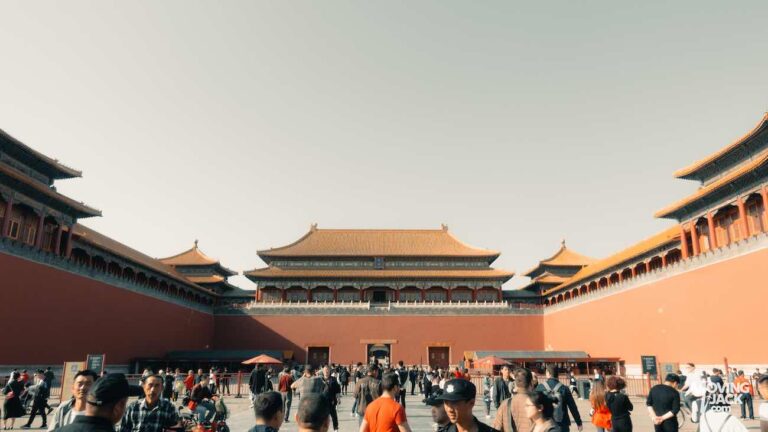
Is Beijing worth visiting? Hell yes! I lived there for 2 years, and it’s the city that made the most impact on me.
My wife and I moved to Beijing in January 2019. It was our first time living abroad, our first time in Asia, and we really had no idea what we were getting into (the number of times we looked at each other and thought, what did we just do…!). Our first year, we lived in a modern apartment in Chaoyang. In our second year, we moved into a traditional hutong courtyard house near the Lama Temple, just 4 kilometers above the Forbidden City.
On some mornings, we could actually smell the incense coming from the temple. Sometimes we went for a run around the Forbidden City, which is kind of a surreal thing to do on a random Tuesday.
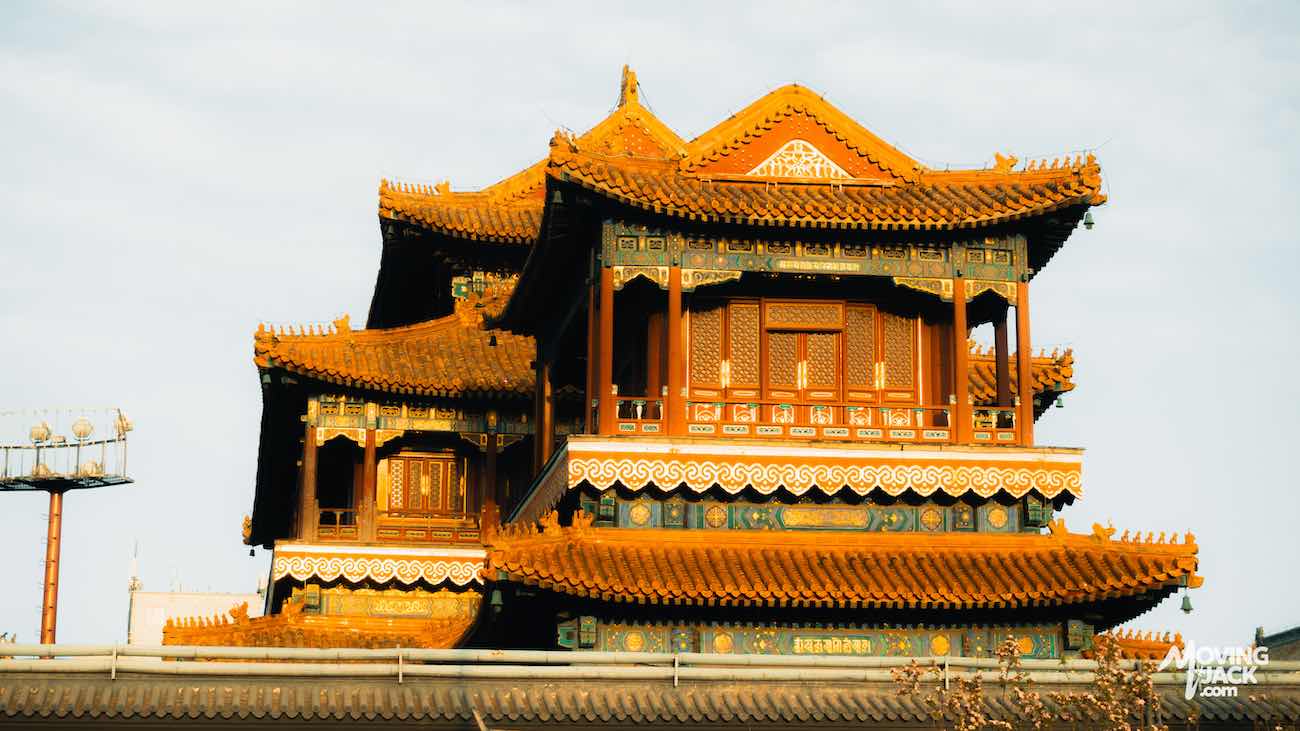
I also DJ’d over 100 shows in 40 cities across China during those years, and later worked at a Chinese company in Shanghai. I have been to Beijing more times than I can count, so I really know this city.

When I write these posts, I honestly think if it is worth visiting for others, and I can really say that Beijing is. Some cities are like, yeah, could be ok to include on a trip, but Beijing is actually worth it.
The Short Answer: Yes, staying in Beijing is absolutely worth it. You can feel the history everywhere you go, and the experiences you have here are just different from anywhere else I have been. The Forbidden City alone is wild to walk through. The Great Wall actually lives up to the hype. And the hutongs… honestly,y the hutongs are what make Beijing special for me.
Pros and Cons at a Glance
The Forbidden City, Great Wall, and Temple of Heaven are really once-in-a-lifetime experiences / Air pollution can be really bad, especially from November to February
The hutong neighborhoods are unlike anywhere else in the world / The language barrier is real, and almost no English is spoken outside hotels
The food is incredible, and you can eat really well for almost nothing / The city is massive,e and the distances between sights can be quite long
Culture shock is intense, but I actually think it is a good thing / Internet is restricted, you need a VPN for Google, WhatsApp, Instagram, and so on
History is everywhere. This was the center of China for centuries / Public toilets in the hutongs are… well, an experience
Living costs and travel costs are very affordable compared to most countries / It can feel really overwhelming on your first day, especially the traffic and the noise
5 Pros: Why It’s Worth It
Here are the pros on why you should absolutely go to Beijing:
1. the Hutongs
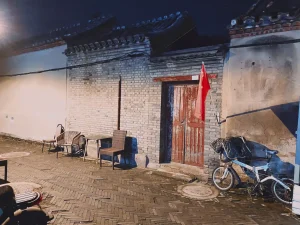
I fell in love with Beijing because of the hutongs. They are ancient, narrow alleyways lined with traditional courtyard houses, and walking through them is like walking through old China. Locals sit outside playing games. Kids run around. Someone is always cooking. And behind unmarked doors, you will find some of the best bars and cafes in the city. I did not expect that at all when we first moved there at the end of 2019.
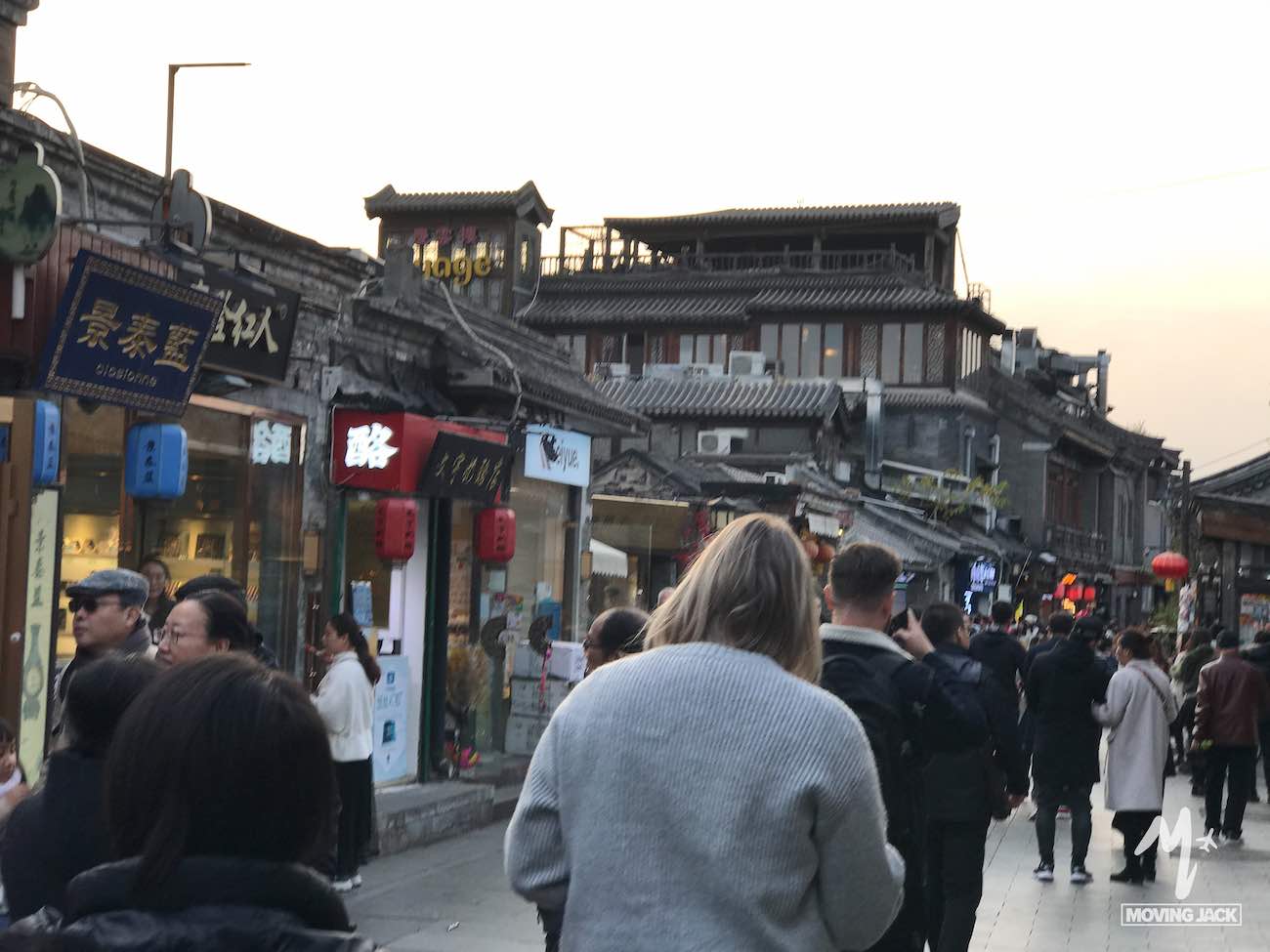
I lived in a hutong during my second year, near the Lama Temple on Bei Xin Hu Tong street. Our house was a traditional courtyard, a siheyuan, with 4 buildings surrounding a small square, plus our landlord and his family lived right across from us. It was tiny, and it was basic, but honestly, it was one of the best living experiences of my life.
The hutongs will give you a total culture shock, though. I want to be upfront about that. Streets can be really dirty. Some public toilets are just open holes in the ground where people sit next to each other without doors between them. Hygiene at local restaurants is not always great. The smells can be strong and sometimes a bit hard to describe. Old folks just walk around in pajamas. One time,e we found living scorpions in an old bar while we were having a drink. Ferrets walked the rooftops. I could go on.
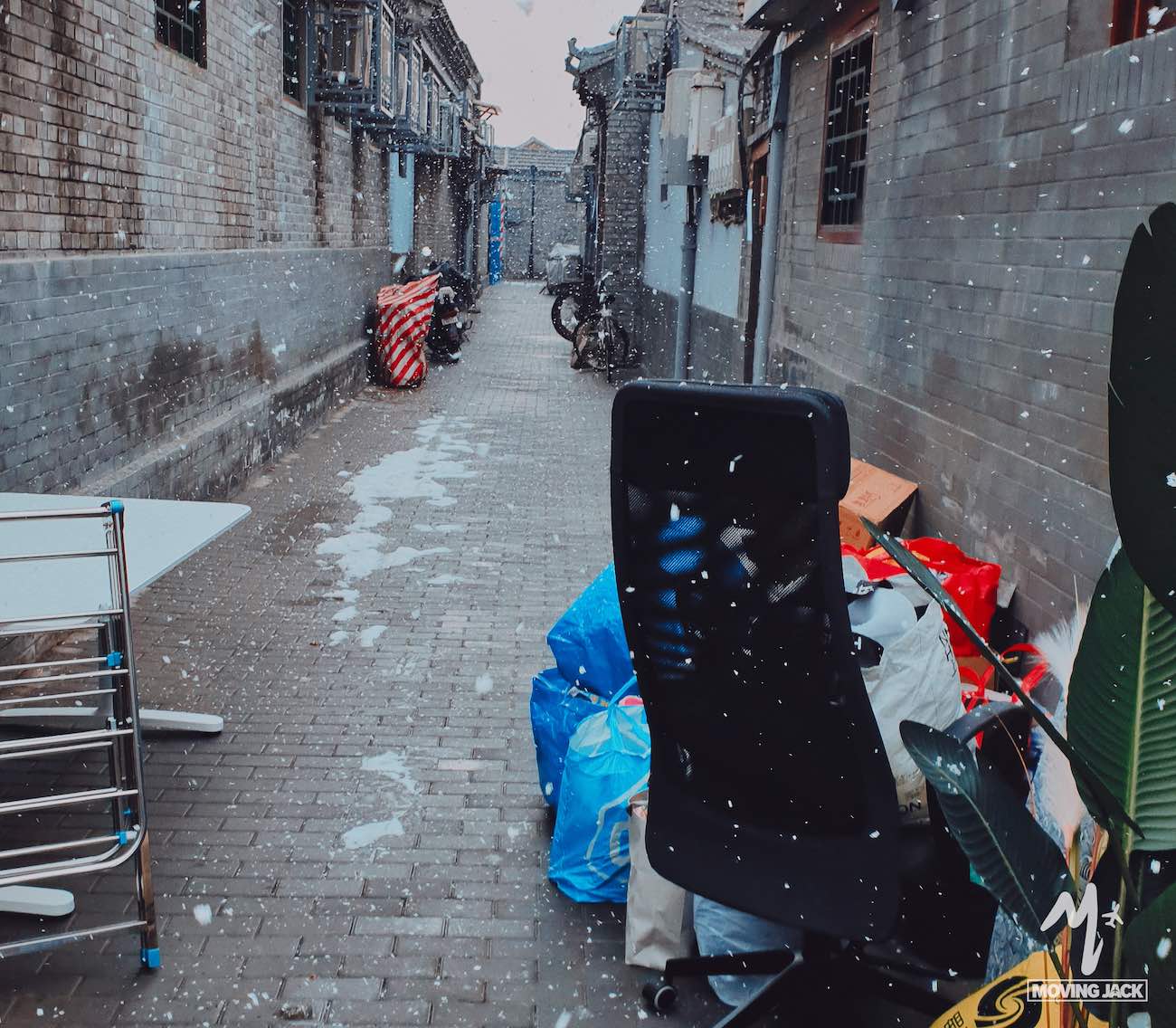
And despite all of that, I really loved it. Being immersed in a completely different culture is what travel should actually feel like, to me.
2. History Is Everywhere
Beijing is one of the most culturally rich cities I’ve ever been to. In China, they put a lot of effort into preserving their cultural heritage, and so in the capital,l you can really tell:
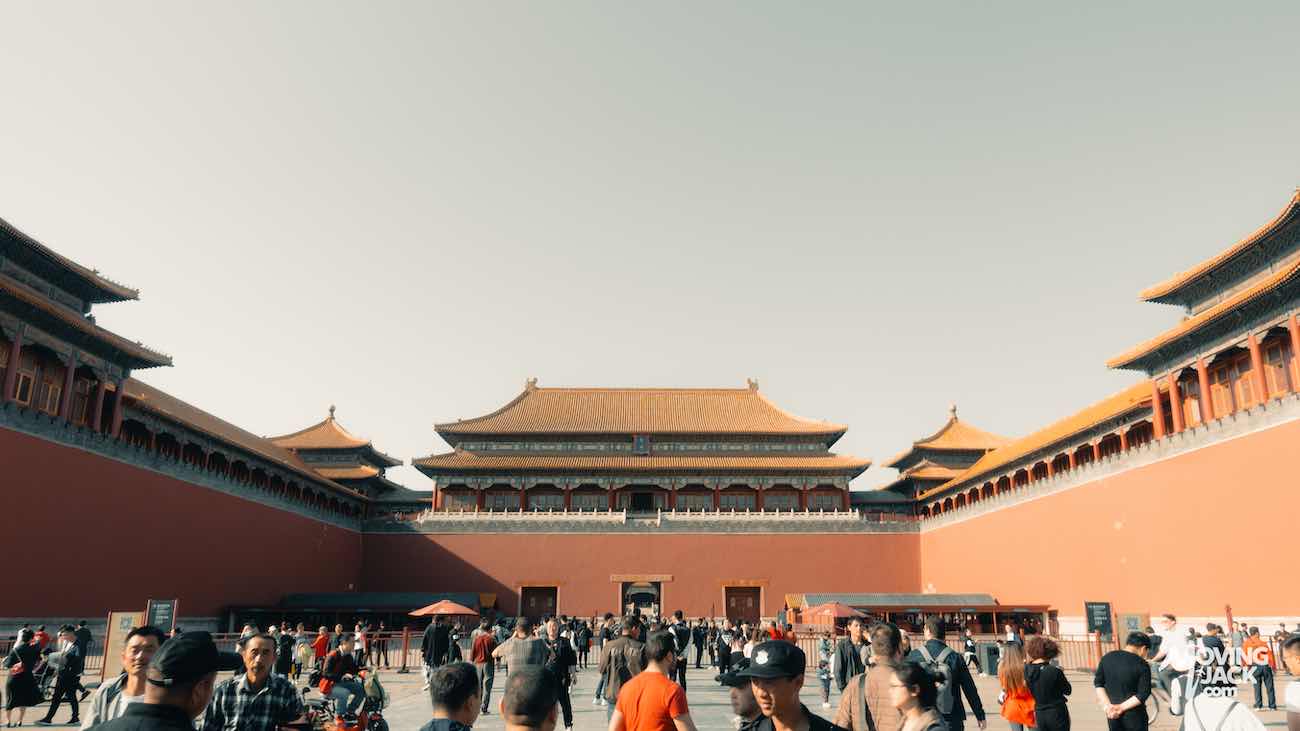
The Forbidden City
The Forbidden City, you’ve probably heard about it or read about it in books, and it is truly epic. It’s so vast, impressive, and just an incredible experience to walk around there. It’s hard to describe, but for me, it’s been one of the most mesmerizing places I’ve ever been.
The Great Wall
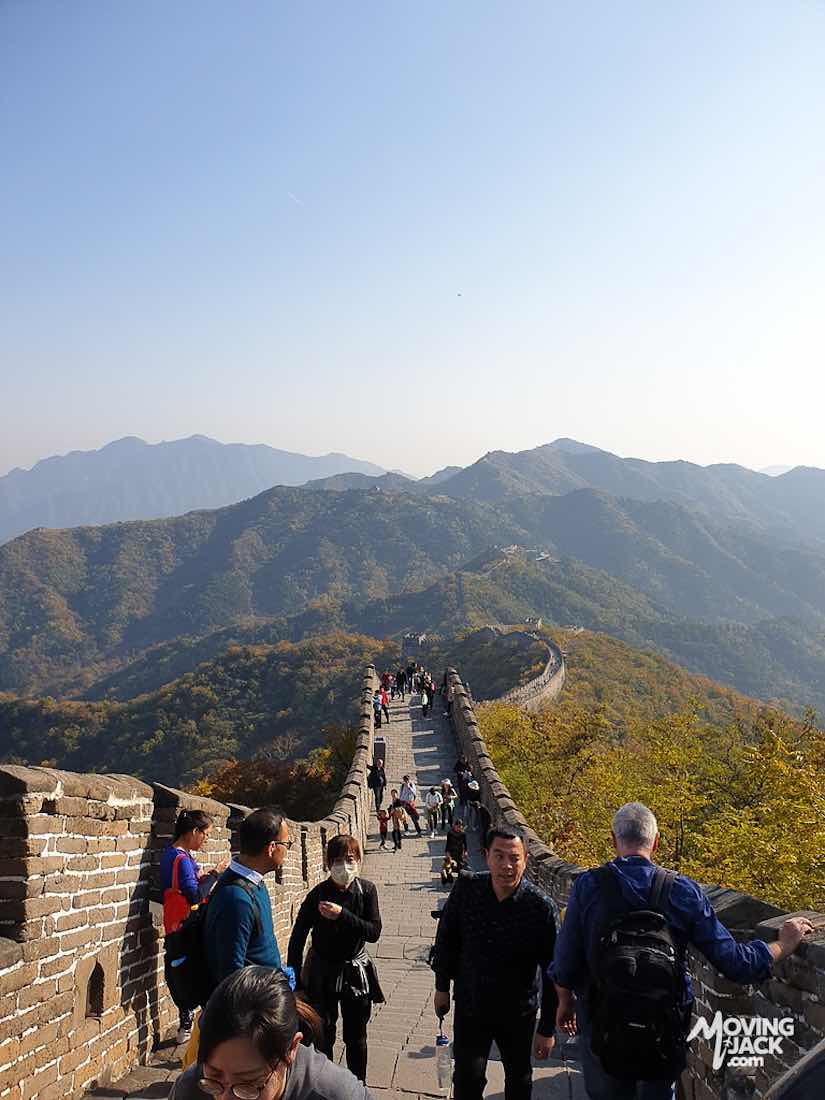
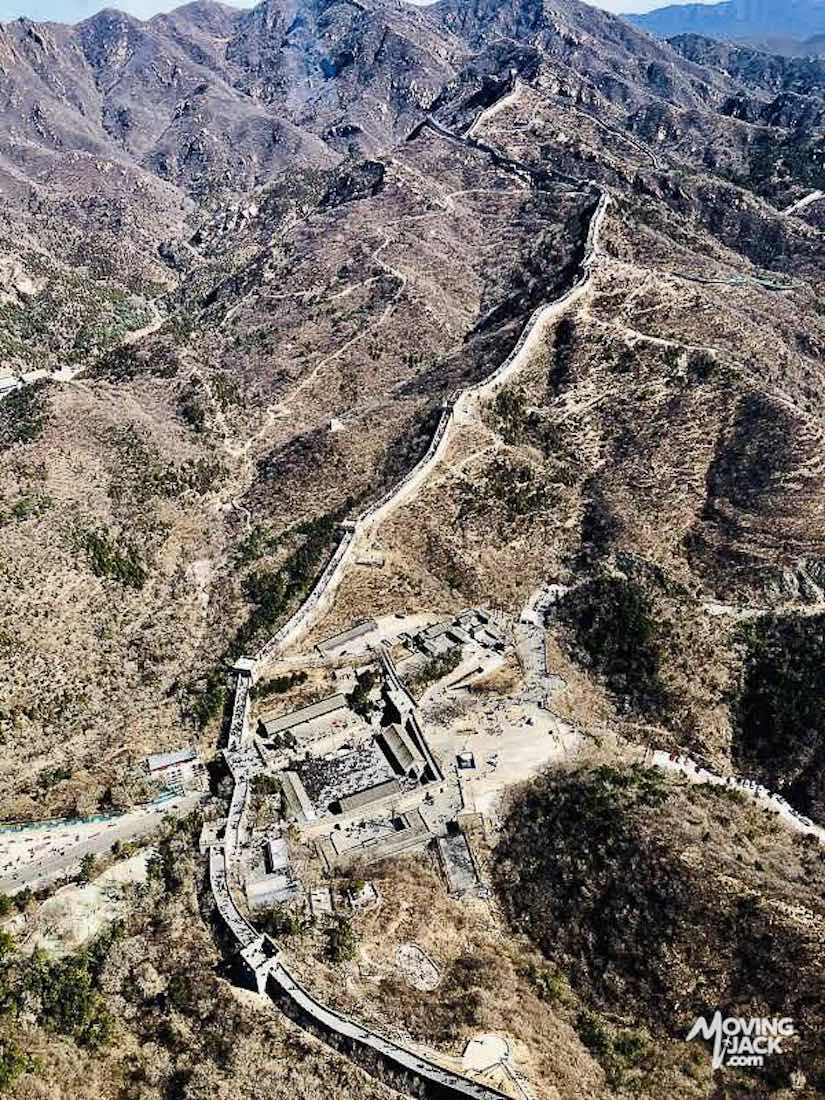
The Great Wall is another mind-blowing sight to see. I highly recommend going there, do a day trip to the wall, ll and you will not regret it.
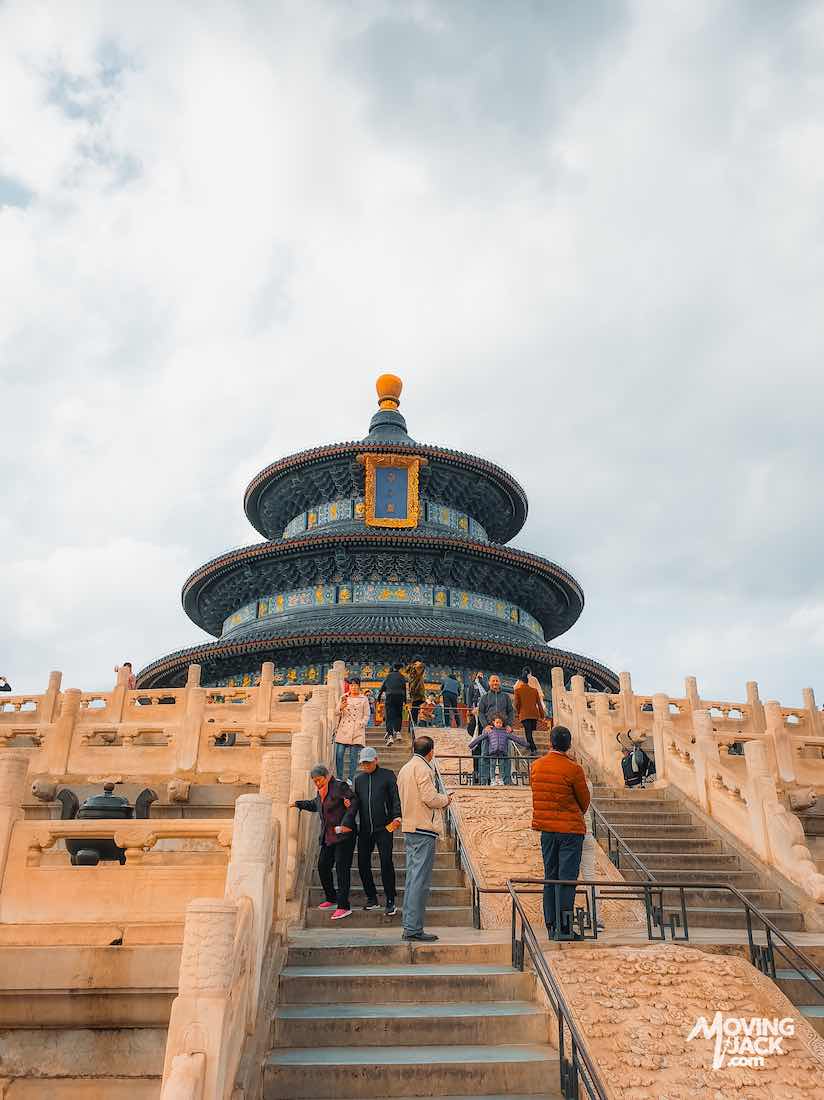
Temple of Heaven
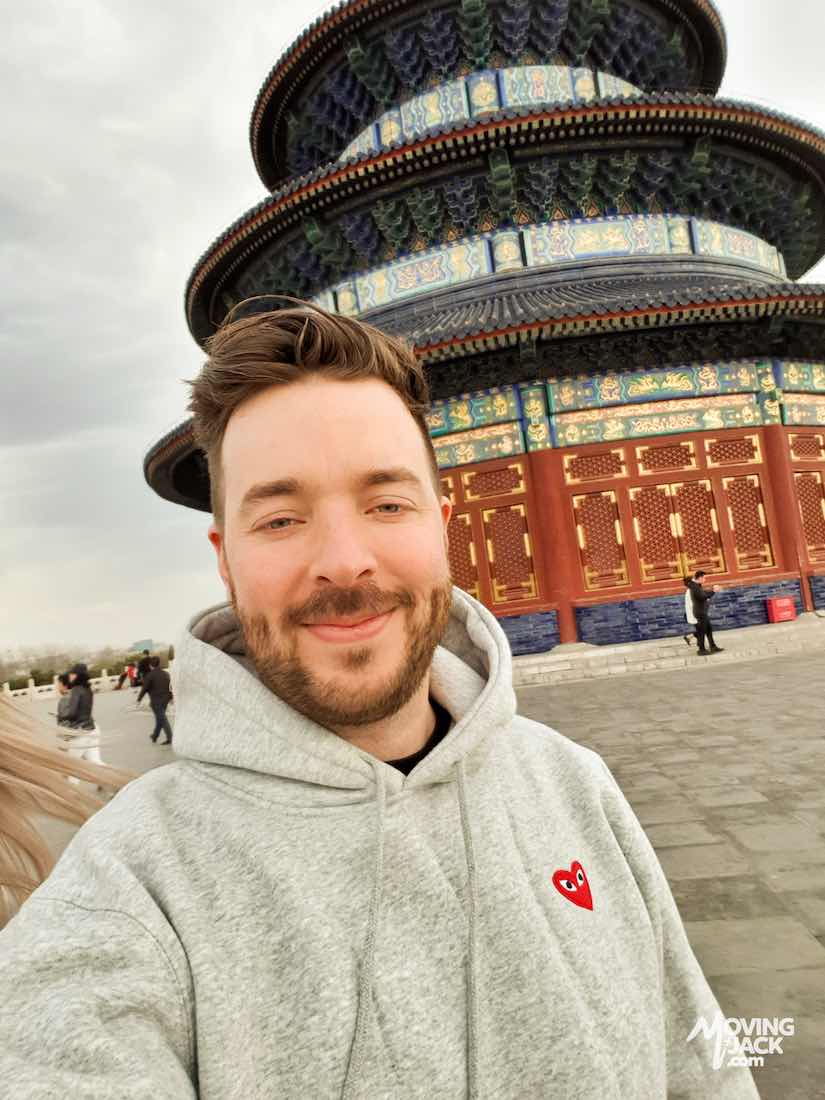
A beautiful temple in a beautiful park. From the Temple of Heaven, you can see the big city of Beijing, which is such a mesmerizing contrast.
Tiananmen Square
I never realized how vast Tiananmen Square is. It’s absolutely incredible just to walk around there. It’s like nothing else I’ve ever seen. What’s cool is that you can visit many of the government buildings and take a quick tour to see the inside.

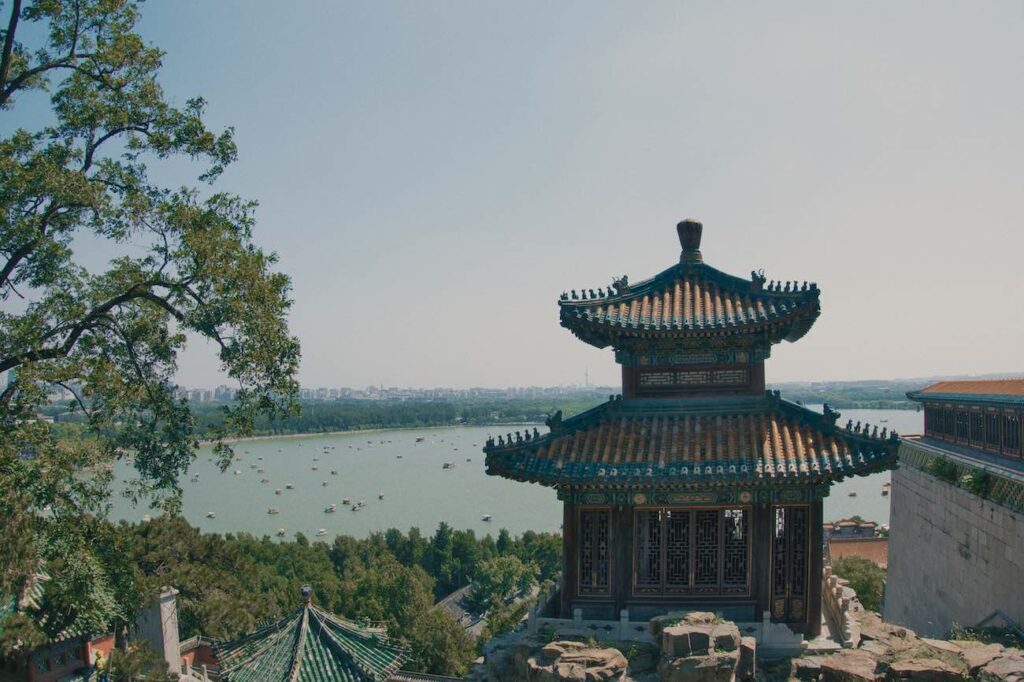
Summer Palace
Another beautiful place at a lake. This one is a bit more touristy (local Chinese tourists mostly) but totally worth it.
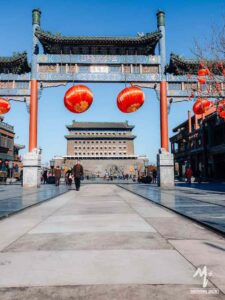
I could go on and on about things to do and see there: Wangfujing, Lama Temple, Hutong area (which is huge), Ho Hai, Bei Hai lake, and so on.
3. the Culture Shock
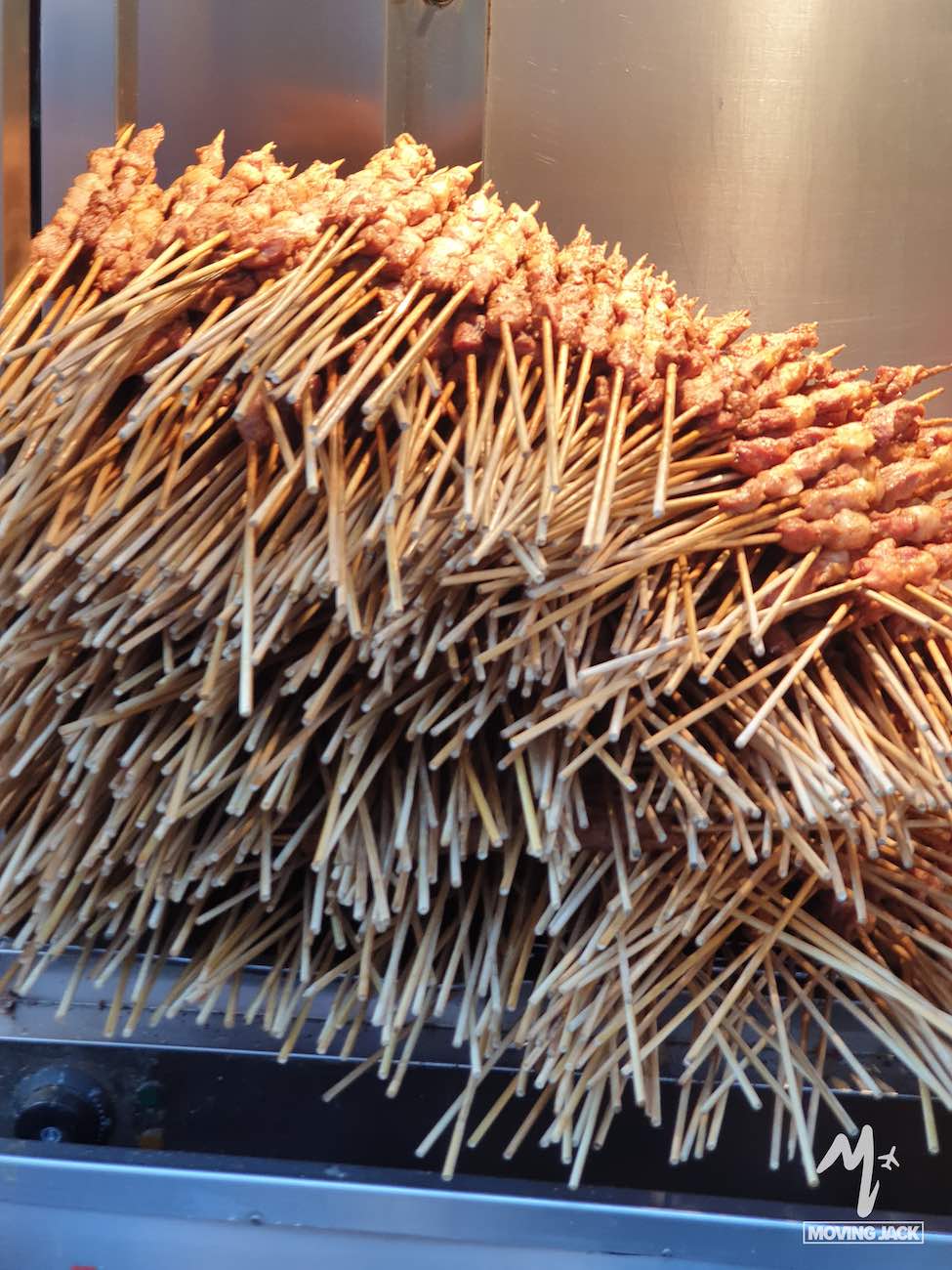
Ok, so this might sound weird, but I actually mean it. Everything in Beijing is just so different. People sit next to each other on the toilet without doors ( in the hutong area). Your colleague tells you that you have gained weight. Someone cuts in line, and nobody cares. The food looks like nothing you have ever seen before.
At first, it is a lot. I remember our first week, just sitting in the apartment thinking, what have we done. But after a few months, something shifted. I stopped being shocked and started being curious. And after 2 years, I really do think that culture shock made me a better person. I am more open-minded now, more adaptable, and way less bothered by things that used to stress me out. Beijing did that to me. Even on a short visit, I think you get a little bit of that.


4. It Is Very Affordable
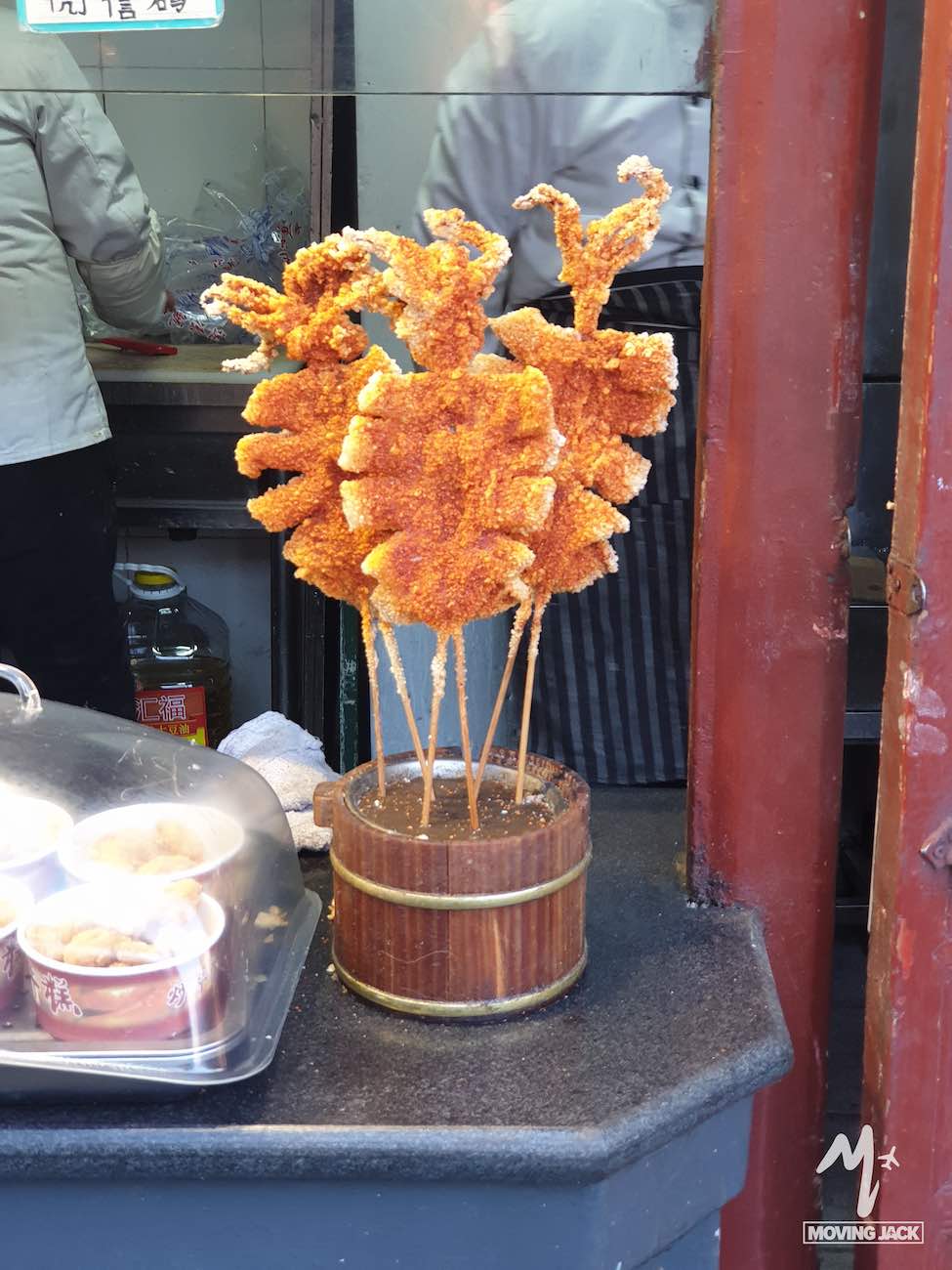
For such a famous city with so many things to do and see, it is very affordable. China is still for many a bit of unknown territory and it’s not as popular as Japan, for instance. 5-star hotels are way more affordable than in most other places in the world, and food and drinks are also cheaper than in Japan or South Korea, for instance.+
5. the Hidden Bars and Cafes
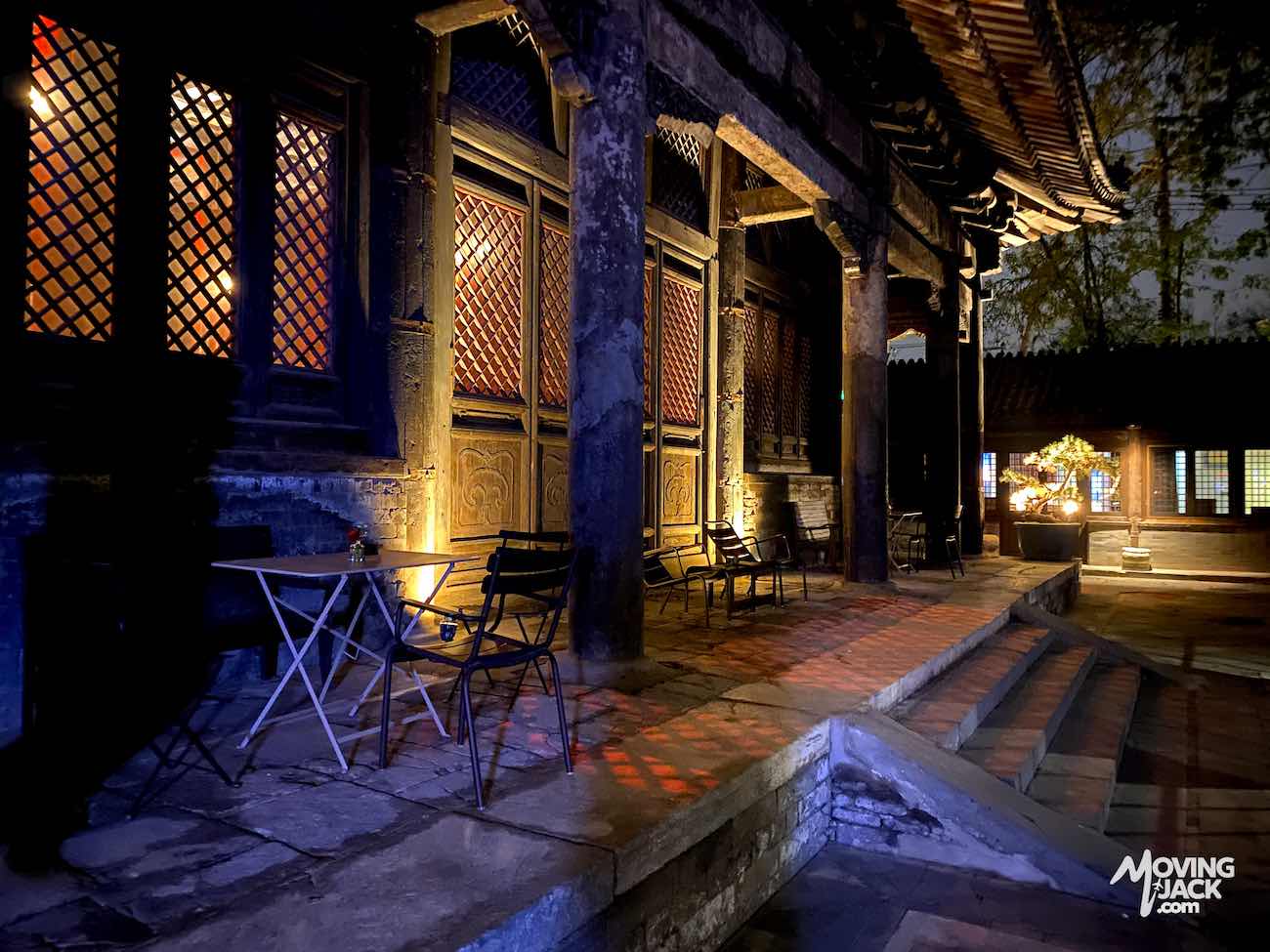
So there are these unmarked doors all over the hutong alleyways. You would honestly walk past them and never know anything is behind them. But push one open and suddenly you are in a cocktail bar that is as good as anything I have been to in London or New York. I spent so many nights just finding new spots with friends and my wife. You walk through these ancient streets outside, open a random wooden door, and you are in a completely different world. I really loved that about Beijing.
4 Cons: Why Beijing Might Not Be Worth Visiting
1. the Air Pollution
The air quality in Beijing can be bad. Especially from November through February, you get days where a layer of smog just sits over the city, and you can barely see the buildings across the street. It is kind of hard to explain how thick it gets until you actually experience it.
It is not as bad as it was, like 10 years ago, though. China has actually made real progress on this. What I would recommend is downloading an AQI app (I use IQAir) and just checking the air quality each morning. On the bad days, we would just do indoor things, go to a museum, or a mall, or something. And then on the good days, that is when you really want to be outside exploring the hutongs and the parks.
The thing is, Beijing is really dry, so it’s quite dusty, which doesn’t help with the air quality.
2. the Language Barrier
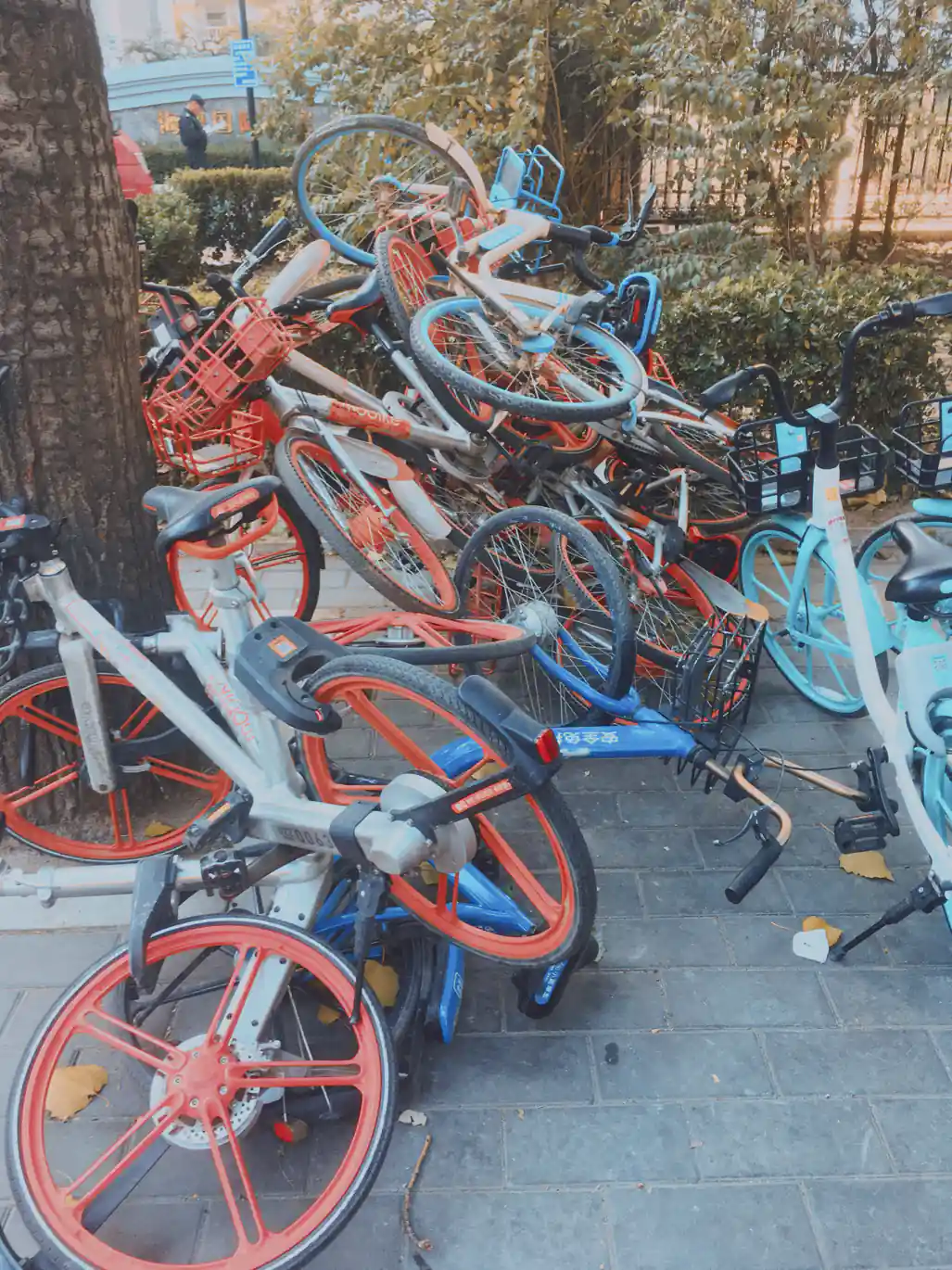
Almost no one speaks English in Beijing outside the big hotels and the main tourist spots. Menus, signs, street vendors… it is all in Chinese. The metro announcements are in both Chinese and English, which helps a bit, but if you need to ask anyone on the street for help, you’ll rely on translation apps and hand gestures.
For me, this was kind of part of the experience, and I actually enjoyed figuring things out. But I totally understand it can be stressful for a lot of people, especially if you are not used to traveling in countries where you don’t speak the language at all.
Always get WeChat before you go. The app works great to translate menus, for instance.
3. the City Is Massive
Beijing is huge. Like, really huge. The distances between the major sights can be quite long, and even with the metro system (which is actually really good and really cheap), you will spend a lot of time underground just getting from one place to another. Going from the hutong area to the 798 Art District takes about 15 minutes by taxi. Going from the Forbidden City to Sanlitun is about 30 minutes by metro. And those are still kind of central areas.
I would really recommend planning your days by area so you are not going back and forth across the city. It is just not a good idea to try to see the Forbidden City and the Great Wall on the same day, for example. Beijing really rewards patience and a slower pace.
4. It Can Feel Overwhelming
When we arrived in February 2019, it was overwhelming: cold, grey, raw; nobody spoke English; honking horns, scooters coming in from all sides. Beijing is not a destination for a relaxed holiday or an easy city stroll where you get a croissant and wander around. Beijing requires some planning, some open-mindedness (is that a word?), and some interest in (Chinese) culture, of course.
Beijing vs Shanghai
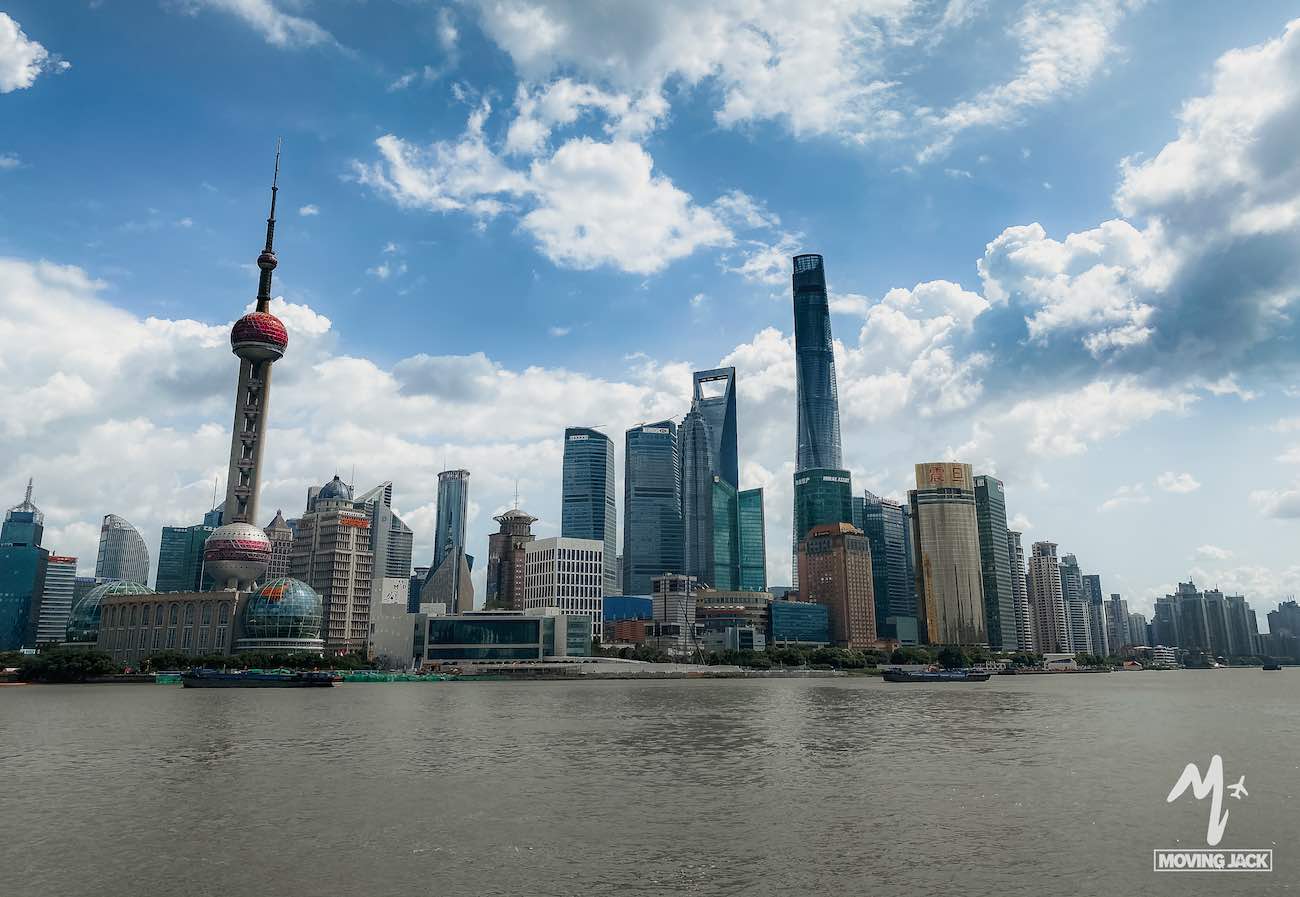
Is Beijing worth visiting vs Shanghai? This is one of my favorite travel questions because I have lived in both cities, and they are so completely different. Most people think of them as “the 2 big Chinese cities” but that is really like comparing Rome to Berlin. Different vibe, different history, different everything.
Short answer: If you have time for only one, pick based on what you want to feel. Beijing for history, culture, and that real “wow, I am in China” feeling. Shanghai for modernity, food, nightlife and an easier first China experience.
When I would recommend Beijing: First-time China visitors who want the full cultural immersion, history lovers, people who want to see the “real” China (Great Wall, Forbidden City, hutongs). Also, if you have at least 4-5 days.
When I would recommend Shanghai: Shorter trips, foodies, people who want a softer landing in China, and anyone who prefers modern cities to historic ones. Also good if it is your 2nd or 3rd China trip and you have already seen the classics. If you’re looking for a trip as a couple, Shanghai would be the better choice. Beijing is just very raw and.
If you can, do both. Fly Beijing → Shanghai on the high-speed train (5 hours, cheap, really comfortable). That way you get the full contrast and you really understand China way better than just visiting one.
Where to Stay in Beijing
I wrote a full guide on where to stay in Beijing already, so I will keep this short:
The 4 best areas for most visitors:
- Wangfujing / Dongcheng is the most central area, and you can actually walk to the Forbidden City, Tiananmen Square, and the hutongs from there. I would say this is the best area for first-time visitors and families.
- Hutong area / Gulou is where I lived during my second year. Traditional courtyard houses, hidden bars, and probably the most authentic Beijing experience you can get. I would really recommend staying here if you want to feel what old Beijing is actually like.
- Sanlitun is the international area with Western hotels, restaurants, and bars. It is the least “Chinese” area in Beijing, but also the easiest to adjust to if it is your first time in China and you want a softer landing. It’s a bit out of the way from most attractions,s though.
- Guomao is the financial district; if you prefer tall and luxurious hotels, this is the place. Not many people recommend this, but it’s a pretty cool area and taking a taxi to the Forbidden City isn’t expensive.
For my full breakdown of all 6 areas, hotel recommendations, and where I would recommend not staying, read my complete guide: Where to Stay in Beijing.
7 Essential Tips for Visiting Beijing
No matter where you end up staying, here’s what you need to know when visiting Beijing:
- Get your hotel address in Chinese characters on your phone so you can show it to the driver at the airport! This is a really important one.
- VPN: Download VPN apps before you land if you need Google, Facebook, or even Dropbox, Netflix, etc. Please don’t wait until you’re here, as it will be impossible to access a VPN or most international websites. I used Astrill a lot.
- Language: International hotels often have English-speaking staff, but not all of them, even among the bigger hotel brands. You’d be surprised! Get Google Translate ready (if you have a VPN), but WeChat works best. You can also scan Chinese text and translate it with WeChat.
- Internet: Obtain a SIM Card from Airalo or another brand that offers international SIM Cards. I found that Airalo works best, and you don’t even need a VPN. Alternatively, get a Chinese SIM card ASAP at the airport, as many hotels require phone verification that often doesn’t work with foreign numbers.
- Safety: Beijing is incredibly safe, so there’s no need to worry about walking around at night. But! I do urge you not to chat online about sensitive subjects such as the government, Taiwan, the president, or anything else that’s sensitive in China. They will see it, and there is a chance that the police will contact you if you do. Please also look out carefully for scooters.
- Transportation: Always check if your hotel is near a metro station – taxi traffic is fine, but it makes the trip just a bit easier.
- Money: Beijing is almost cashless, but it is still smart to carry some with you for a taxi if your card isn’t working. Everything is paid by either WeChat or Alipay, and luckily, you can now connect your credit card to Alipay.
Frequently Asked Questions
-
Yes, Beijing is one of the safest big cities I have ever lived in. My wife and I lived there for 2 years and we really never felt unsafe, not even once. She would walk home alone at night from the subway and I never worried about it, which is kind of wild when you think about it for a city of over 20 million people.
-
Yes, Beijing is actually pretty manageable with kids, more than people think. We moved there before our son was born so I don’t have the full with-a-toddler experience in Beijing specifically, but I know the city well and I would take our son there without thinking twice. But I do have to say, it’s a huge city.
Kid-friendly things to do:
– The Beijing Zoo has pandas and it is a full day out
– Houhai lake is great for a relaxed afternoon, you can rent paddle boats
– The Great Wall at Mutianyu has a toboggan slide down, which is honestly the best part for kids
– Science and Technology Museum is huge and has tons of hands-on stuff -
No, you really don’t need to speak Chinese to visit Beijing, but it is a different experience than visiting somewhere like Tokyo or Seoul where a lot of signs have english on them. In Beijing the language barrier is real, especially outside the main tourist areas.
When we first moved there my wife and I knew like 10 words of Mandarin between us. We managed fine, honestly. The tools that saved us:
Google Translate with the camera feature is a lifesaver for menus and signs (you need a VPN though, Google is blocked)
Pleco is the best Chinese dictionary app, works offline
WeChat has a built-in translate feature for messages, very useful when you are chatting with a driver or a host
Learning 5-10 basic phrases goes a really long way. Just “hello”, “thank you”, “how much”, “too expensive”, and “no spicy” will get you through a lot of situations -
3 to 5 days is perfect to see most of Beijing. I would go for 5 and include a day trip to the Great Wall. Or if you have some more time, go to Shanghai, that city will blow your mind. I lived there for over a year. Check out my full ” Where to Stay in Shanghai guide for the best place to stay during a weekend trip.
-
The best time to visit Beijing is during spring (March to June) and Autumn (September to November).
My Verdict: Is Beijing Worth Visiting?
Yes. Beijing really changed how I see the world. Two years of living there just shifted something in me. I stopped caring about things like whether someone is standing too close to me in a queue, or whether the restaurant looks “clean enough.” I became way more relaxed about a lot of things. And I honestly think that made me a better person.
Even on a short visit, I think you get a little bit of that. The Forbidden City is really incredible when you are standing inside it. The hutongs are still where people actually live. And the Great Wall is actually as impressive as you think it is going to be. I was really surprised by how much it all lived up to the hype, because that almost never happens when you travel somewhere famous.
Go there, go somewhere where most people don’t go, and see for yourself!