Visiting Okinawa for the first time? I’ve got you covered!
I’ve been to Okinawa multiple times now. Each trip, I learn something new, usually from making mistakes or getting tips from locals and friends who’ve been there for years.
Here are the best 26 tips I gathered over the years for those traveling to Okinawa for the first time.
26 Tips for First-Time Visitors
Here are the essential tips I’ve learned. Some are practical, some will save you money, and some will make your trip smoother.
1. Rent a Car
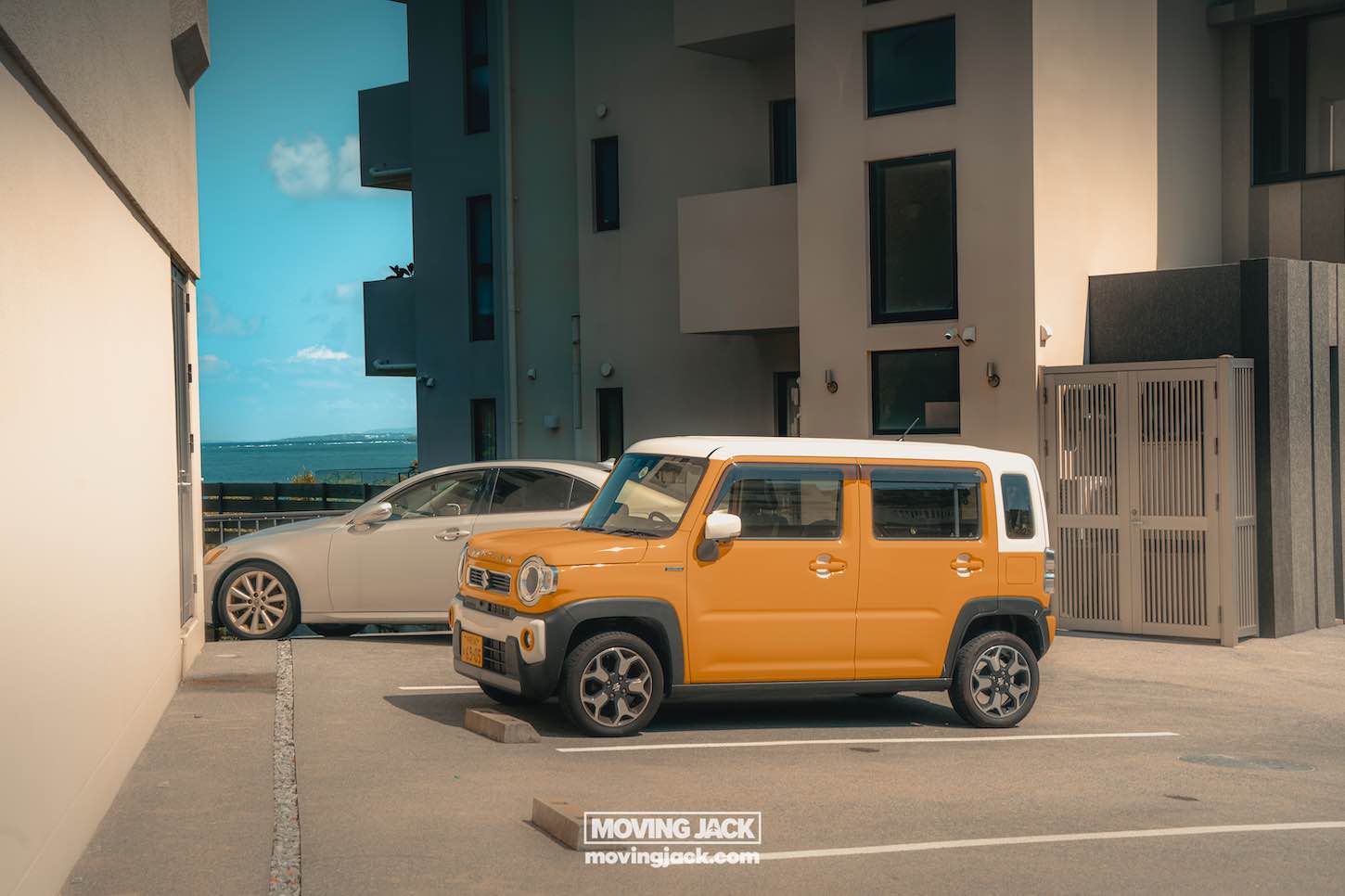
You absolutely need a car in Okinawa. This isn’t like Tokyo, where trains take you everywhere. The best beaches, restaurants, and hidden spots are spread out across the island.
I rented from KS Rental Car through Trip.com and paid $364 for 7 days (that’s $52/day for a 7-seater van). Split between 4 adults, that was only $13 per day per person.
With a car, you can stop at random beaches when you see them, explore hidden spots, leave when you want, and carry all your beach gear without hassle.
Unless you’re just staying at the resort, of course.
2. Supermarkets
In the supermarket, paying works differently than in most places. First, you give your basket with items, and they scan everything. Then you take your basket to a machine that’s like a meter next to the cashier, so you’re not paying at the cashier.
This was a bit confusing for me at first. So while you’re paying the cashier, I’m already helping the next customer, pretty efficient! And it also shows how safe Okinawa is: in most countries, you have to pay at the cashier, so they know you paid.
3. Military Base
Okinawa has a large US military base. Closer to the central city, Naha, you will occasionally see military aircraft, like fighter jets, flying around. Don’t be alarmed, these are just regular flights and standard exercises.
4. Car-minded island
I love Okinawa, but what I miss sometimes is an area where you can walk around and have a drink. Of course, there’s the city, and there are some spots like American Village, but for almost all restaurants and coffee places, you need a car. Okinawa is a very car-minded place.
Beaches are often a bit cut off from the rest of the world. They’re actually quite remote, and there are no options for walking around, going to some bars, or getting a drink as you often can in Thailand.

5. No Scooters
You won’t even see many scooters (if any). This is very different than Thailand, for instance! This is one of the reasons why it’s so important to rent a car in Okinawa. It’s actually quite nice because there is also no smell of fumes and noise of scooters constantly driving around, like there is in Bali.
6. Book including breakfast
Because you almost always need a car to get to every restaurant or coffee shop in Okinawa, my advice is to book a hotel or place to stay, including breakfast. This will save you a lot of time that you can better spend on the beach. Plus, the buffets are actually delicious. Japanese breakfast, Western options, fresh fruit, and coffee. We had hotel breakfast most days and never regretted it.
7. Restaurants fully booked?
It happened to us many times that when asking at a restaurant if they had a table free, they said quite fast “no”. Every time, they made it seem like it was booked completely full for the night. After asking a bit more, like how about in 30 minutes? Or what about outside on the terrace? They almost always had a table.
So, my tip, when trying to get a table, don’t just take their word for it right away, ask a bit further and see if there are any options. If they are full, ask for takeaway and eat it back at your own place. Many restaurants offer this option.
8. Tattoo Hotel Policies: International vs Local Brands
If you have any tattoos, you are not allowed to use the pool, hot tubs, or spas at almost all Japanese hotels. This is not the case at the bigger international brands such as the Hilton Hotel.
If you’re thinking about staying at a hotel or resort in Okinawa and you have tattoos, go for an international brand. And always check the info on Booking.com. It’s not always very clearly stated, but when you scroll to the questions people ask about the hotel, you’ll find the answers there.
9. Shisa
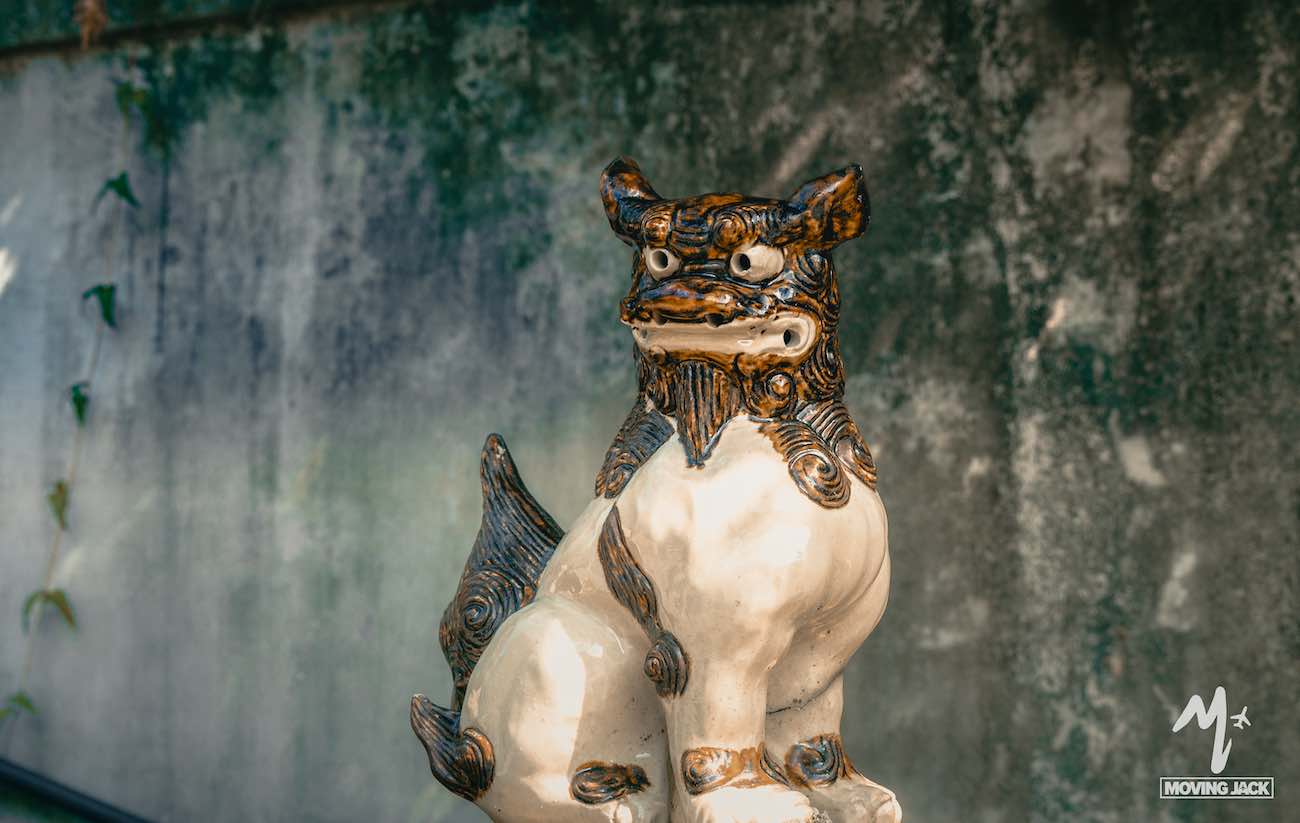
You’ll see these statues of the mythical creature called Shisa everywhere. Shisa are pretty cool lion-dog creatures from Okinawa meant to keep evil spirits away. Fun detail is that the male Shisa has his mouth open to scare off the bad stuff, while the female keeps hers closed to hold on to the good vibes, pretty cool!

10. Don’t Bring Fruit
You cannot bring fruit into Okinawa from outside Japan. It’s strictly prohibited. There are specially trained police dogs at the airport who will sniff it out. I saw it happen to multiple people at the airport.
The restriction is there to protect Okinawa’s agriculture from diseases. Just don’t bring any fruit at all, not even a banana or some grapes you grabbed for the flight. Or at least throw it away right after landing, in a bin at the toilet. Which is what we did.
11. Get the right International Driving Permit
You need the International Driving Permit 1949 Geneva Convention, NOT the 1968 Vienna Convention version.
This is super important. Japan only accepts the 1949 version. If you show up with the wrong one, they’ll turn you away at the counter. Get it before you leave home. In most countries, it’s easy and cheap (usually $20-30).
12. They Drive on the left
Okinawa drives on the left side of the road. If you’re from a right-sided country, this takes some adjustment.
I accidentally drove on the wrong side for about 10 seconds on my first day. Luckily, locals drive very safely and slowly, so there was room for my mistake.
Here’s my tip: Start your trip in the south, closer to the airport, instead of driving all the way up north right away. The drive from the airport to the southern beaches is only 40-60 minutes. Shorter distances, easier roads, less stress. You can practice left-side driving without pressure. By the time you drive to northern Okinawa on Day 3 or 4, you’ll be comfortable.
Also, the turn signal and wipers are switched…

13. Stock Up at Supermarkets
Having a car means you can hit supermarkets instead of just convenience stores. This saves SO much money.
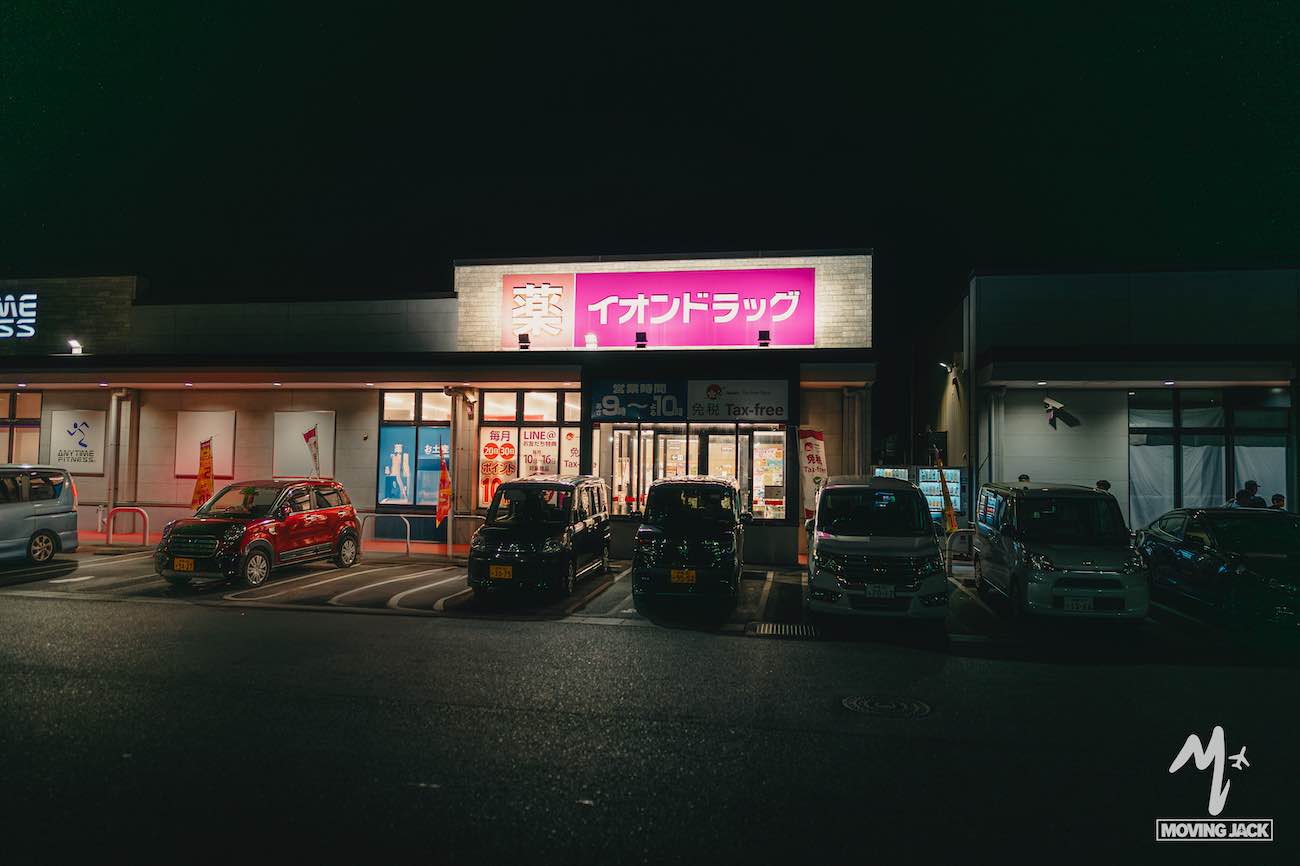
Max Valu and San-A are the big supermarket chains. Prices are way cheaper than Family Mart or Lawson. We’d buy cases of water, snacks, picnic lunch supplies, and breakfast items. With a group of 8, this saved us a lot of money.
14. Get Reef-Safe Sunscreen
The coral in Okinawa is already stressed from climate change. Don’t make it worse with harmful chemicals.
Regular sunscreen has oxybenzone and octinoxate, which damage coral reefs. Get reef-safe sunscreen instead. Look for brands like Stream2Sea, Sun Bum Mineral, or Raw Elements.
The sun is no joke in Okinawa. I got sunburned in 15 minutes, even with sunscreen. Apply every hour, especially after swimming.
15. Bring Water Shoes
Most beaches in Okinawa have coral and rocks. You’ll cut your feet without water shoes. I saw someone slice their foot badly on coral at Tokei Hama Beach. Not fun.
Buy water shoes before your trip or at Sports Depo in Naha (¥2,000-4,000). They make beach exploring way better. You can walk on rocks, explore tide pools, wade through coral areas – all the cool stuff you came to Okinawa for.
Even “sandy” beaches like Senaha have rocky areas. And the hidden cave I keep talking about? You can’t get there without water shoes.

16. For tourists, cash is still a bit King
Bring cash. Many smaller restaurants, parking lots, and beach facilities don’t take cards. And many vending machines require Japanese apps to be able to pay with your phone. Coins still work fine!
We had problems multiple times. Beach parking that only took coins. Restaurants that were cash-only. Vending machines that didn’t accept foreign cards (I tried downloading an app, but still couldn’t get it working).
ATMs at 7-Eleven work with most foreign cards. Withdraw cash on your first day and keep some on you. Japan is safe, so carrying cash isn’t a problem.

17. Don’t Pack Your Days Too Full
This is the mistake most first-time visitors make. Trying to see everything, rushing from place to place, packing 5 activities into one day.
With our group of 8, we learned fast that rushing made everyone miserable. The best days were when we picked one or two beaches, spent real time there, had a picnic lunch, and just relaxed.
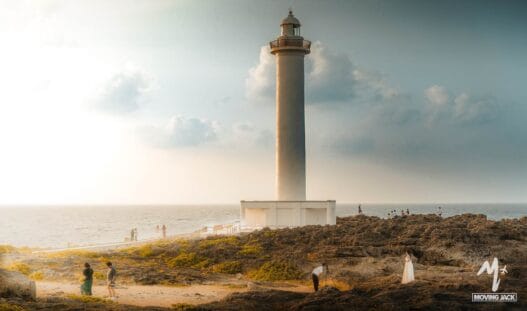
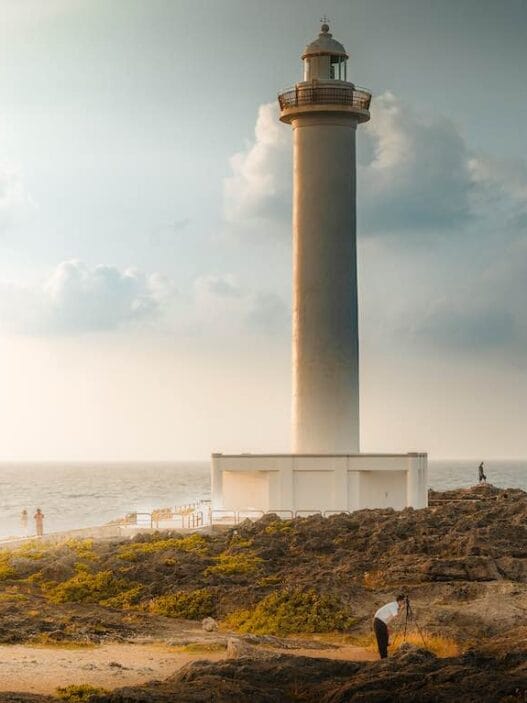
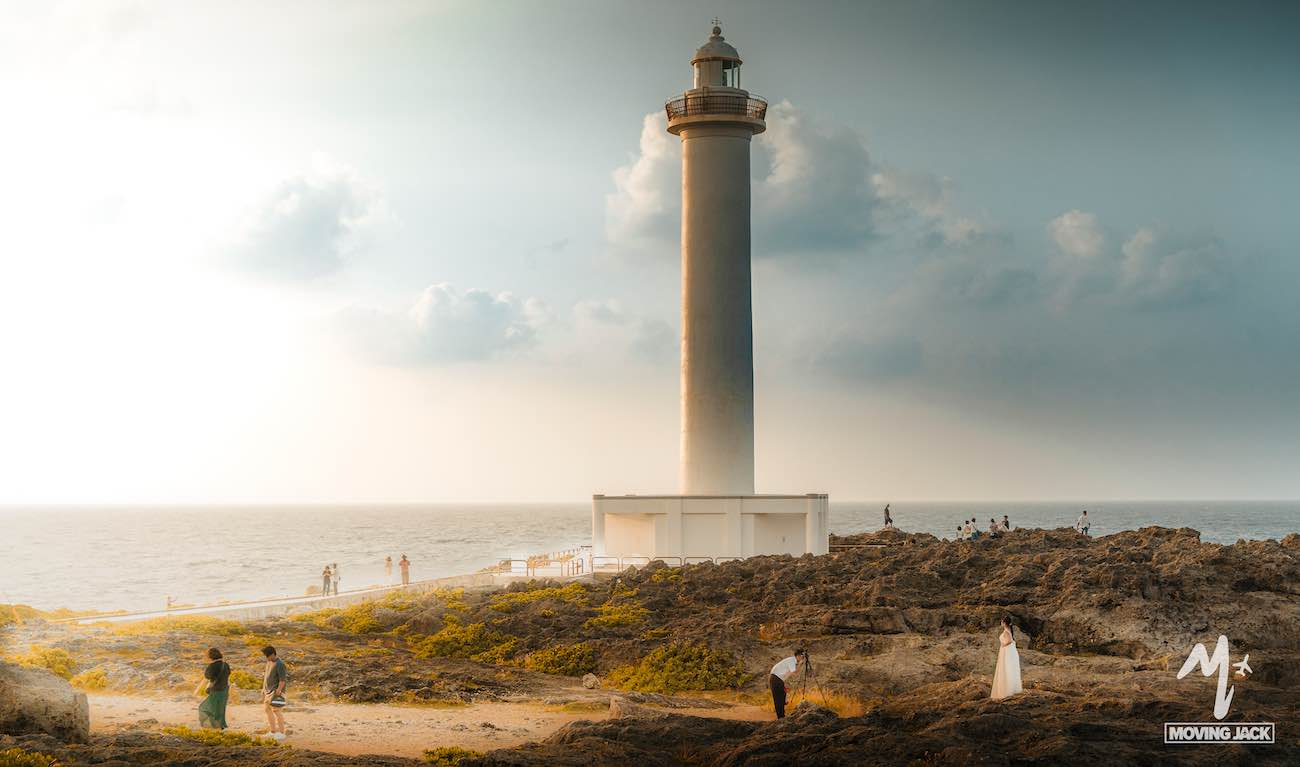
Okinawa is about slowing down. You’re on a tropical island. The whole point is to NOT rush. Pick your spots, enjoy them fully, leave room for spontaneous stops and discoveries, because there are a lot of places to see in Okinawa. Even places like lighthouses that might not sound that interesting are pretty spectacular.
18. Check Tide Schedules
Some of the best spots in Okinawa are only accessible at low tide. The hidden sandbar at Yagaji Beach, for instance.
Check tide schedules online or ask locals. We planned our Yagaji Beach visit for mid-morning low tide, and it was perfect. If we’d gone at high tide, we couldn’t have reached the small island.
19. Hotels Have Beach Gear
Most hotels and accommodations in Okinawa have beach gear you can use. Beach towels, umbrellas, and sometimes even snorkel gear.
Ask your accommodation what they provide. We stayed at places that had beach umbrellas, coolers, and towels we could take to the beach. Saved us from buying all that stuff.
If you’re staying at Airbnb, message the host and ask. Many have beach equipment in a closet somewhere.
20. October is Shoulder Season
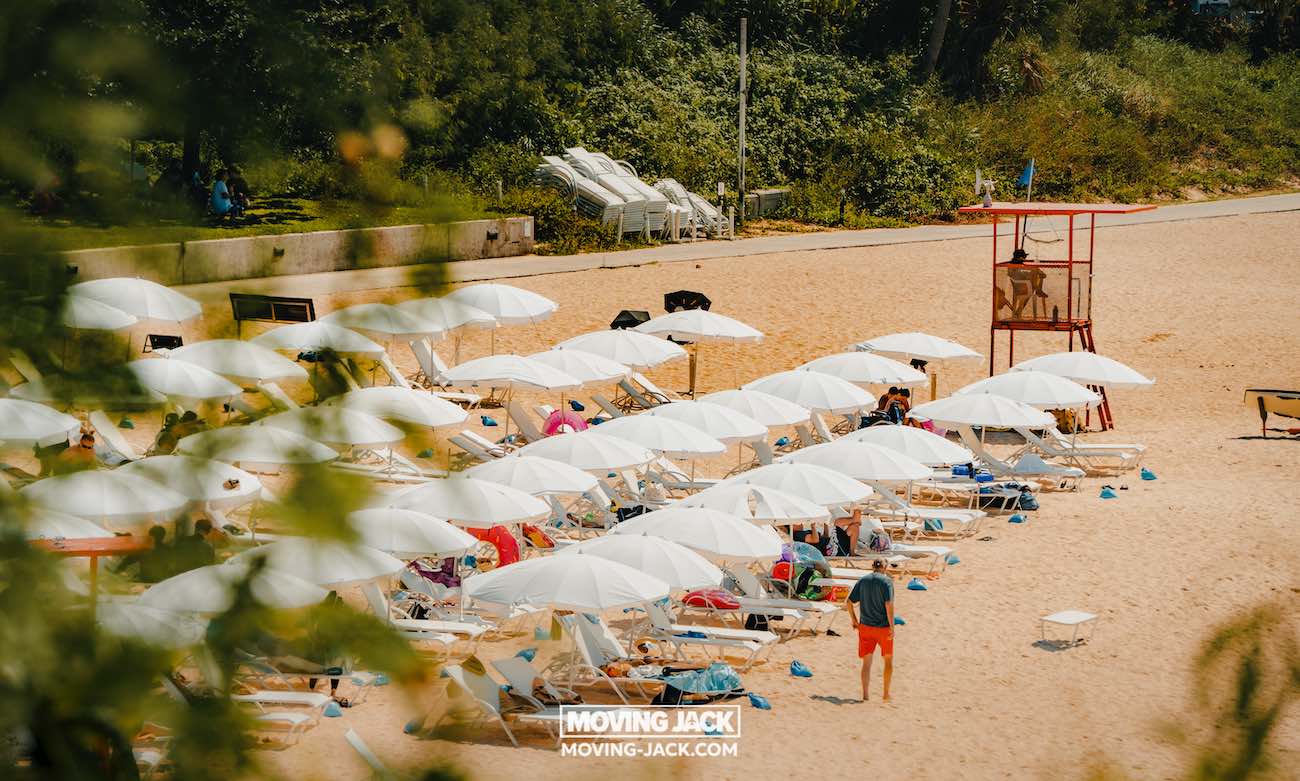
I went in October, and it was perfect. The water was still warm (27°C), the beaches weren’t crowded, prices were lower than in summer, and the weather was beautiful.
Sure, it was hot at midday (35°C), but mornings and evenings were comfortable. We had the beaches mostly to ourselves. Hotels were cheaper. No tour group crowds at the aquarium.
Summer (July-August) is peak season – crowded, expensive, humid, typhoons. Spring (April-May) is nice, but the water is cooler. October hits the sweet spot.
21. The Hidden Cave at Senaha Beach
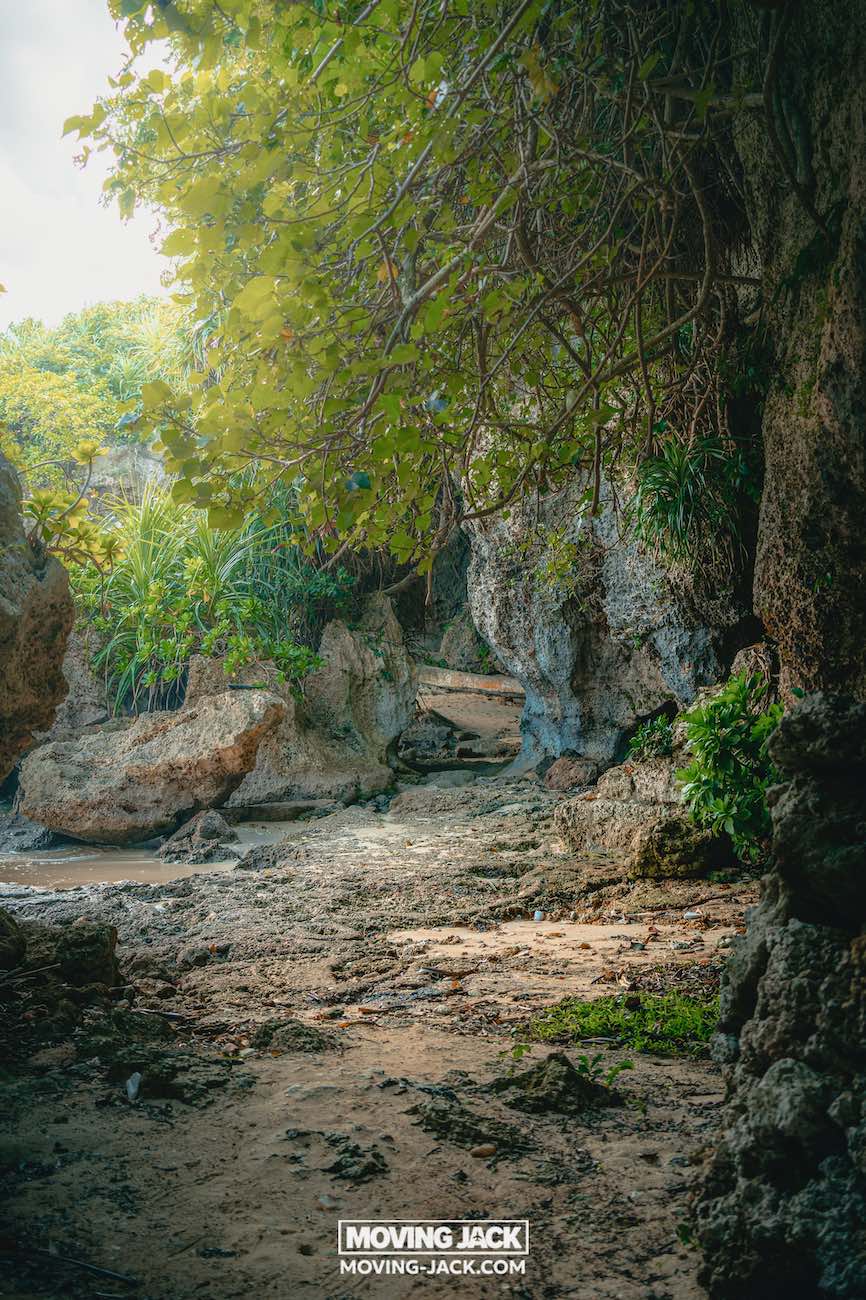
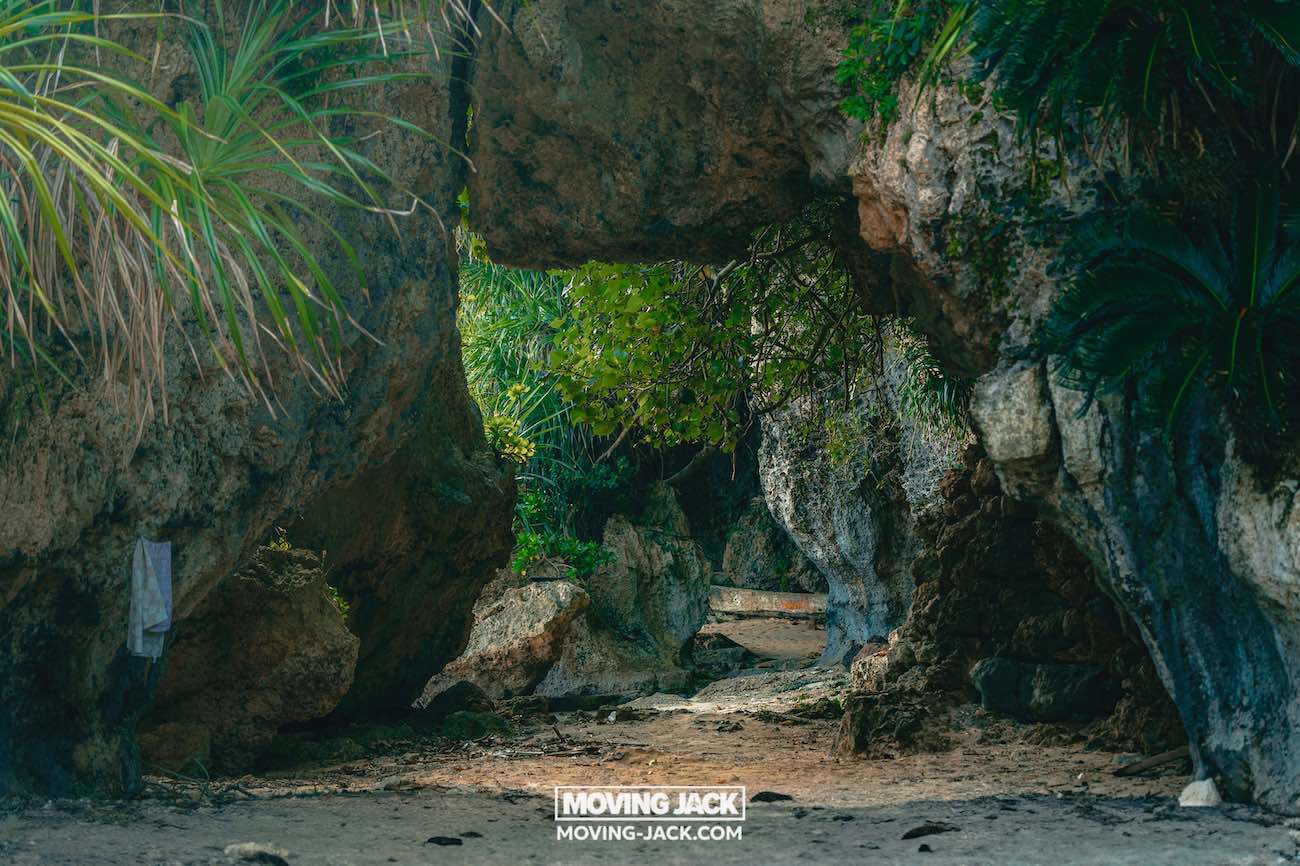
This is my #1 recommendation for first-time visitors. Senaha Beach has a hidden cave area that’s only accessible by walking over rocks at low tide.
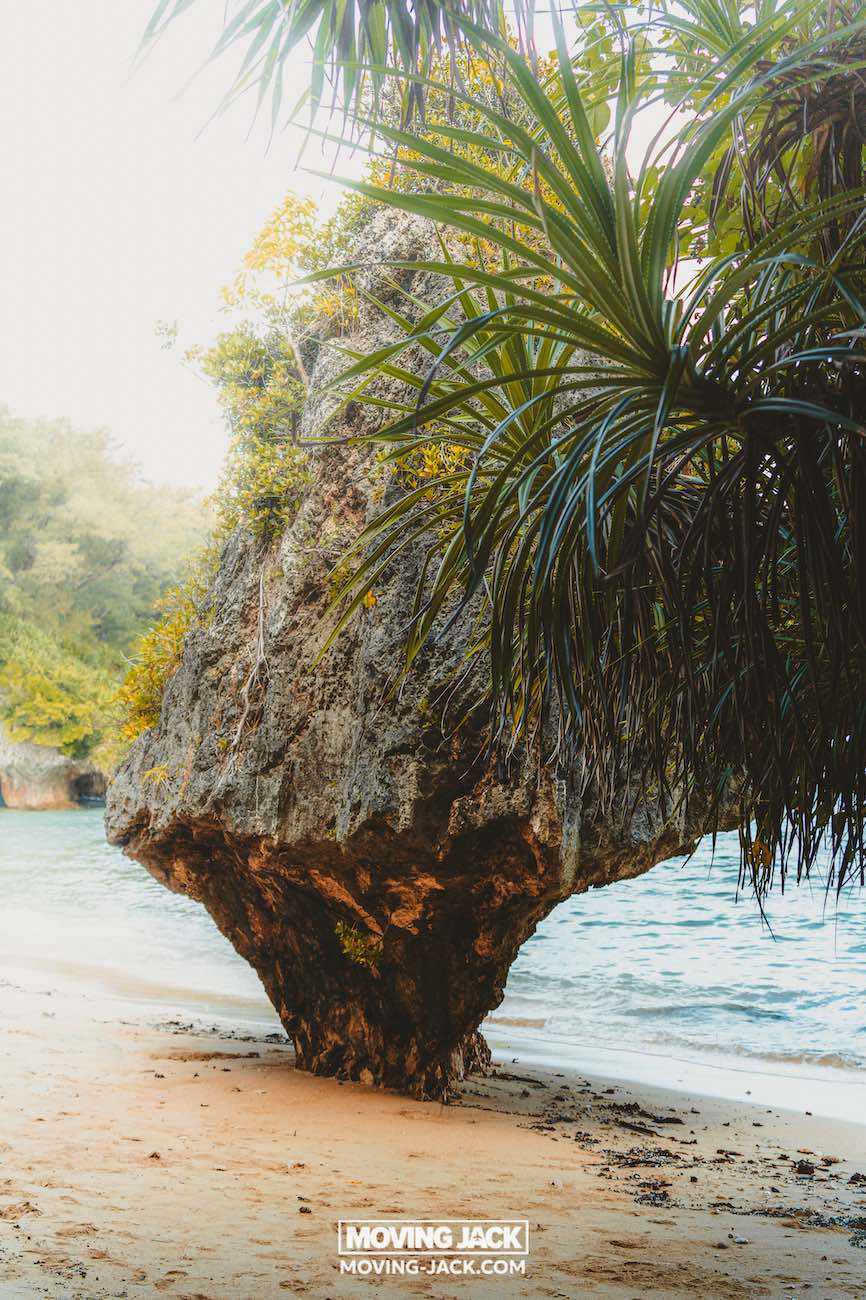
Walk about 50 meters over some rocks on the right side of the beach (wear water shoes!). You’ll see a narrow passage between rock formations. Walk through, and suddenly you’re in this hidden beach area with a small cave. It feels like you discovered a secret island.
Senaha Beach is one of the most beautiful beaches of Okinawa, in my opinion.
22. Convenience Store Breakfast Saves Time
Family Mart and Lawson have excellent breakfast options. Coffee, onigiri (rice balls), sandwiches, yogurt, fruit, and the famous egg sandwiches.
Instead of finding a restaurant every morning or making breakfast at the accommodation, we’d sometimes stop at a convenience store on the way to the beach. Quick, cheap (¥500-800 per person), and pretty good.
Of course, breakfast at the hotel is the most efficient option, but if that’s not an option, convenience stores are great.
23. Toll Roads Are Optional
The expressway through Okinawa costs about ¥1,000 ($6-7) for the full route. It’s faster, but you miss some of the scenery. Go through the toll gate that says “cash” or “regular” and pay the toll booth employee.
The coastal roads are free and beautiful. Ocean views, small beaches to stop at, local cafes and shops. Takes longer but is way more interesting.
We used the expressway twice when we went to the hotels for the first time after arriving, and when we had to go back to the airport. Every other time we took coastal roads and discovered so many cool spots we wouldn’t have seen otherwise.
24. Download Offline Maps
Google Maps works great in most of Okinawa. But some small beach roads aren’t fully mapped, or you lose signal.
Download offline maps for Okinawa before you go. It saved us a few times when we were looking for remote beaches and had no signal.
Also works if your phone data runs slow or you’re in a dead zone. Better to have it and not need it.
25. Fill Up the Gas Before Returning the Car
Rental companies charge about 3x the normal gas rate if you return the car without a full tank. This is everywhere, not just in Okinawa, but it is worth mentioning.
Find the nearest gas station to the rental company (they give you a map showing the closest ones when you pick up the car). Fill up 30 minutes before return. Save your receipt.
We filled up 15 minutes from the rental company and saved probably ¥3,000 ($20).
26. Learn “Arigatou Gozaimasu” and “Sumimasen”
Japanese people in Okinawa appreciate it when you try to speak even basic Japanese. “Arigatou gozaimasu” means thank you very much, and “Sumimasen” is “excuse me/sorry”.
English works fine tho in most areas, but outside Naha and major hotels, Japanese is the main language, of course. Google Translate helps a lot. Download the language in the app before your trip!
Getting Around Okinawa
You need a car. I said it in Tip #1, but it’s worth repeating. Okinawa is not like mainland Japan, where trains go everywhere.
Public buses exist, but they’re slow, infrequent, and don’t go to the best beaches. We looked into it before our first trip and quickly realized buses would waste hours of our vacation. A bus to northern Okinawa takes 2+ hours with multiple transfers. Driving takes 1.5 hours directly.
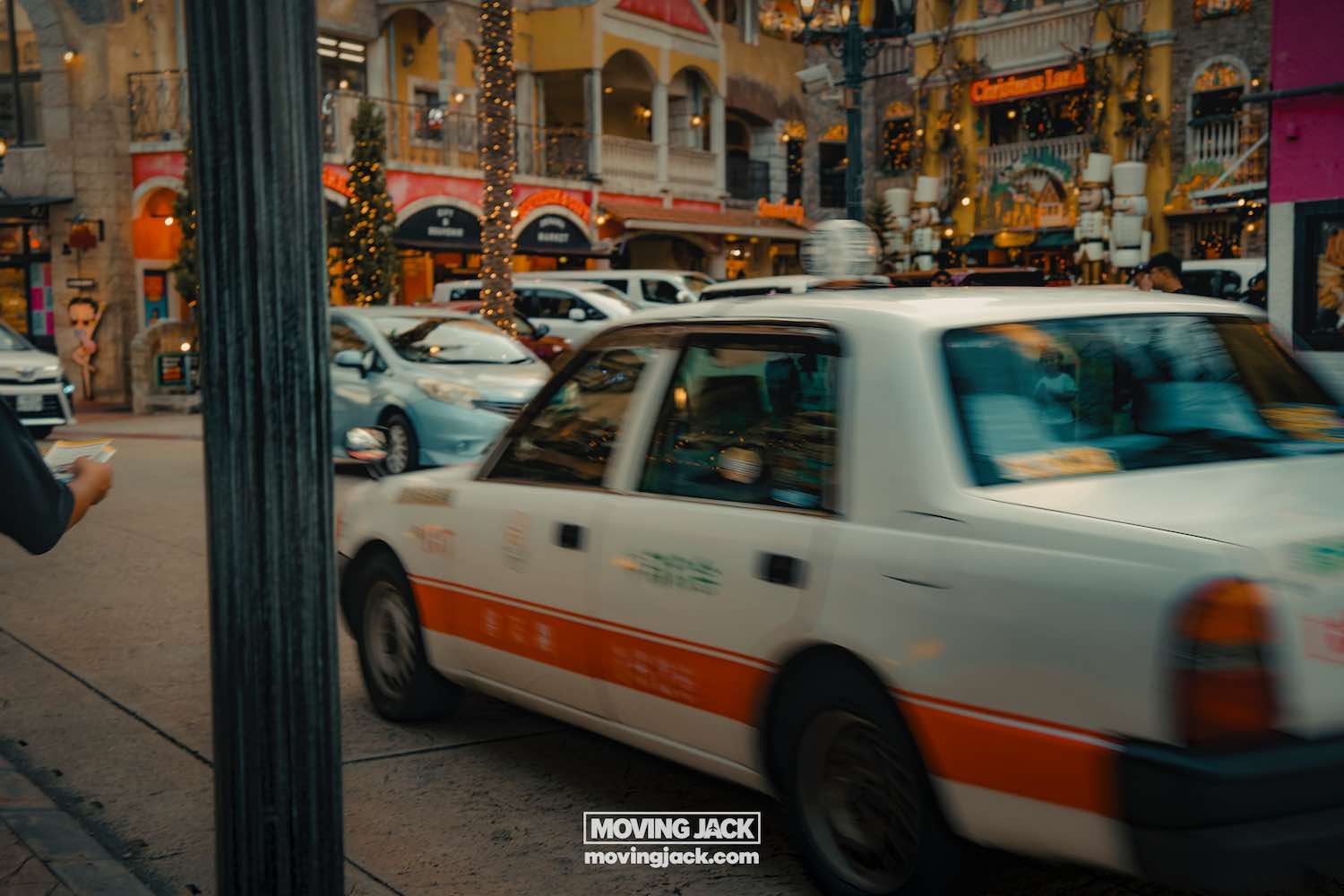
Taxis are an option for short trips in Naha, but for exploring the island, costs add up fast. A taxi from Naha to Churaumi Aquarium would cost ¥15,000-20,000 ($100-130) one way. Our 7-day car rental was $364 total.
Read my full guide on renting a car in Okinawa for everything about costs, insurance, pickup/return process, and driving tips.
Book Your Okinawa Experience:
Ready to explore Okinawa? Check out tours and activities on Viator to make the most of your trip.
Where to stay for the first time
Here are my top 3 recommendations for different budgets:
Budget/Boutique: Chulax Okinawa Designer Condominium Hotel (¥15,000-25,000/night)
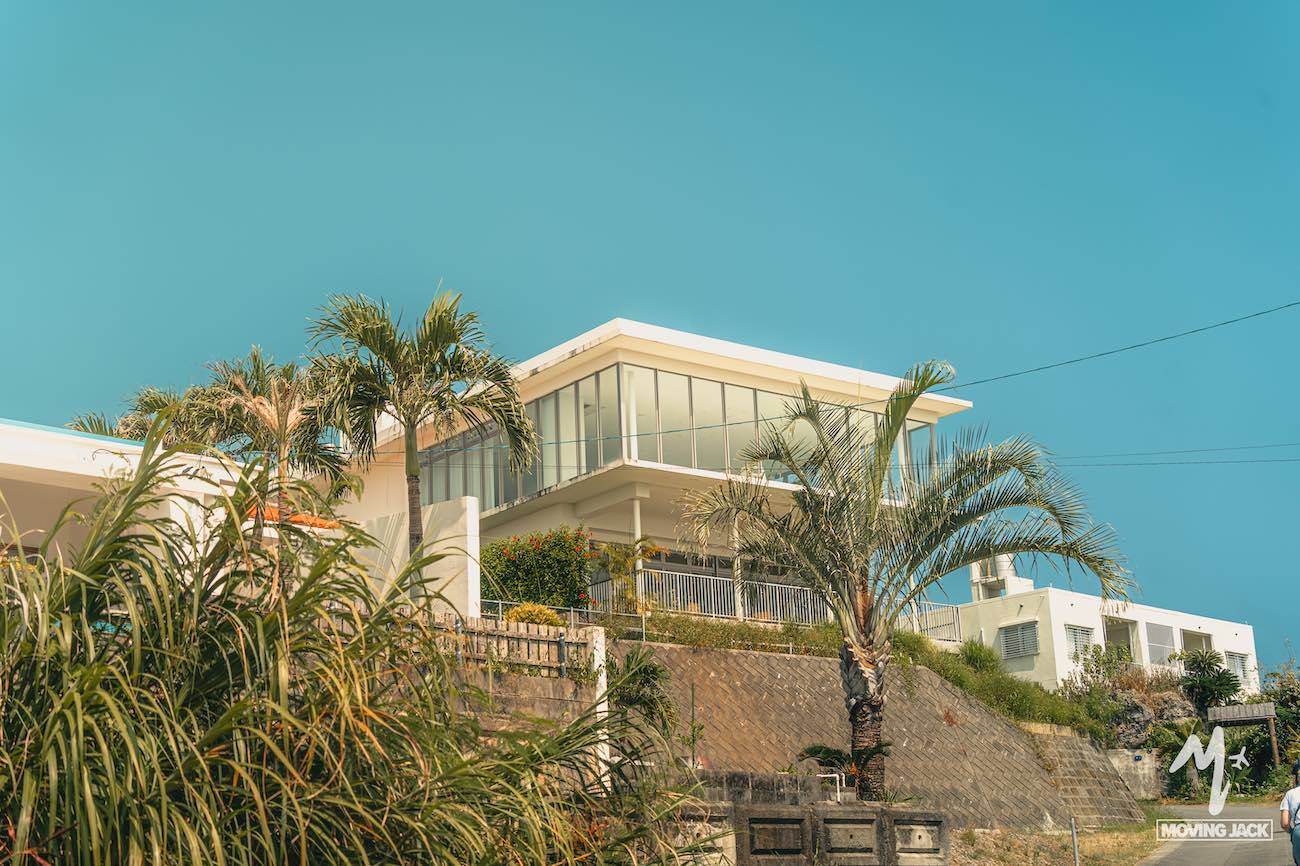
This place surprised me. From the outside, it looks plain, but inside it’s modern and stylish. The big advantage is location, it’s right across the street from Senaha Beach (my favorite beach in Okinawa).


Mid-Range: Hotel Nikko Alivila (¥25,000-45,000/night)
This hotel sits directly above Nirai Beach. You walk out, and you’re on the beach in 2 minutes. We stayed here on one trip, and it was worth the money.

High-End: LOISIR Terrace & Villas KOURI (¥35,000-60,000/night for villas)
We actually stayed here, but in their budget rooms (they have both options). Even the budget rooms are really nice, and they have playrooms for kids with climbing walls and rubber tiles. The pool is heated and never crowded. There’s an amazing Japanese restaurant next door with a super-friendly owner.
Best Time to Visit
October is my top recommendation for first-time visitors. Here’s why:
The water is still warm (27°C / 81°F), which is perfect for swimming. Air temperature during the day hits 35°C (95°F), which is hot, but mornings and evenings are comfortable. More importantly, October is shoulder season. Way fewer people than in the summer, prices are lower for hotels and flights, and you get the beaches mostly to yourself!
And you’ll still see lots of beautiful flowers in October.
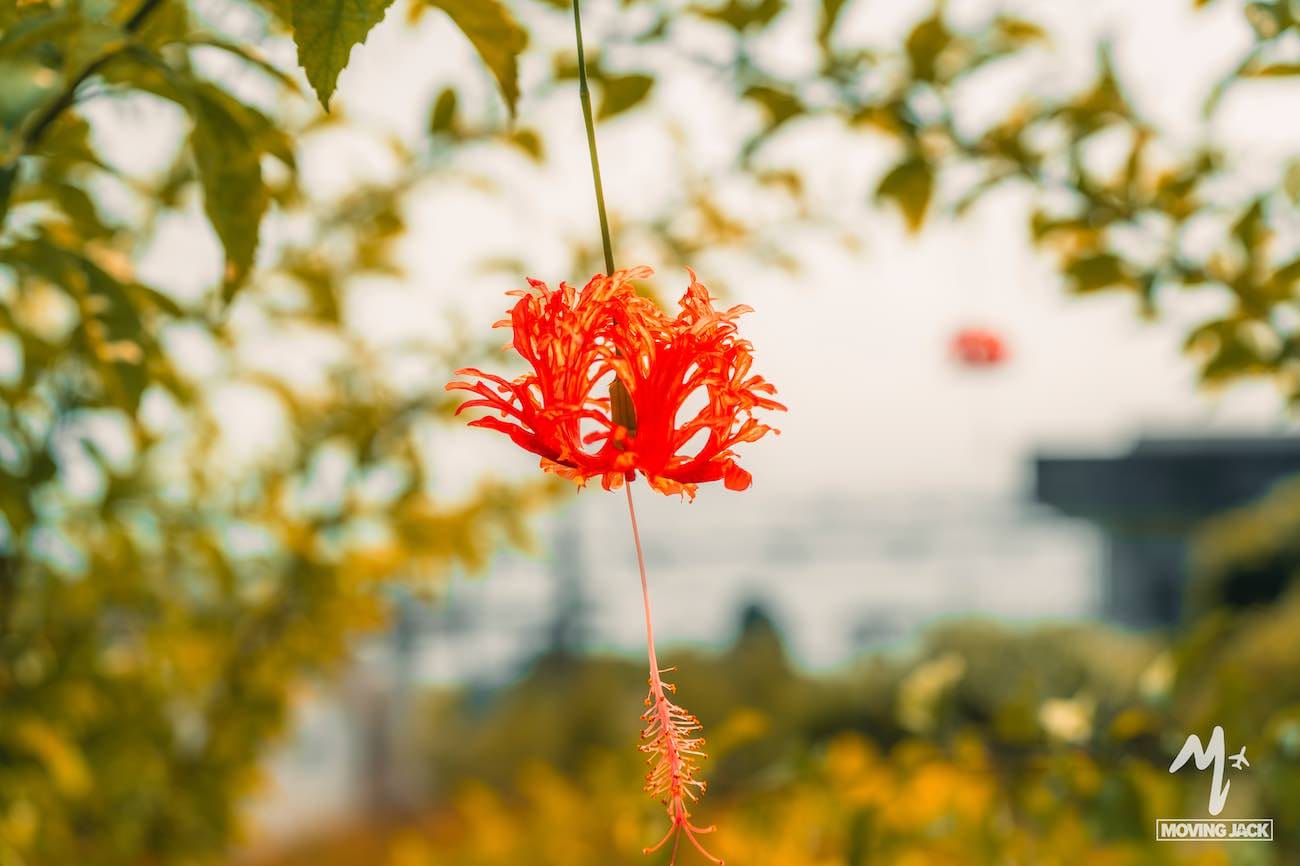
I went in mid-October, and we had entire beaches with only 1-2 other people there. At Senaha Beach (my favorite), we were alone most of the time.
The other good months are April and May (spring). The weather is nice, the water is warming up (24-25°C), and everything is green and fresh. But avoid Golden Week (late April/early May) when tourists from all over Asia go to Okinawa, and prices just skyrocket.
Summer (July-August) is peak season. Water is warmest (29°C), and all facilities are open. But it’s also crowded, expensive, extremely humid, and peak typhoon season. If you can only go in summer, it still works, just be ready for crowds and heat.
Winter (December-February) is too cold for most people. Water drops to 22°C (71°F), which is chilly. Many beach facilities close.
Plan Your Okinawa Adventure
Want to experience Okinawa’s best activities? Browse tours and experiences on Viator – from snorkeling trips to cultural tours, they have options for every type of traveler.
FAQ
Here are the most common questions first-time visitors ask:
What are the DOS and DON’TS in Okinawa?
DO: Rent a car, start days early, bring reef-safe sunscreen, try local Okinawan food (it’s different from mainland Japan), and be respectful at beaches and cultural sites.
DON’T: Bring fruit from outside Japan (seriously), skip water shoes, expect English everywhere, rush your itinerary, touch coral while snorkeling, return rental car without a full gas tank.
Is Okinawa expensive?
Not Thailand-cheap, but reasonable by Japanese standards. Budget travelers can do ¥9,500-13,500/day ($65-90), mid-range is ¥17,500-29,500/day ($120-200). Car rental split between people is cheap. Beaches are free. Supermarket food is affordable. Hotels range from budget to luxury. You control the cost based on choices.
Is visiting Okinawa worth it?
Absolutely. The beaches are world-class, the water is incredibly clear, the food is amazing, and the locals are friendly. Prefer it over Phuket or Bali, honestly. Less crowded, cleaner, better organized. If you like beaches and island vibes, Okinawa is 100% worth it.
Is Okinawa safe?
Extremely safe. Japan-level safe. We had zero safety concerns the entire trip. Left stuff on the beach while swimming, walked around at night, drove everywhere – never felt unsafe once.
The only things that are less safe are the currents in the ocean and sea creatures. There are also some snakes in the wild.
Final Thoughts & Tips
Okinawa was one of those destinations that exceeded my expectations in ways I didn’t anticipate. I’ve been living in Asia for years now, traveled to dozens of countries, and seen my share of tropical beaches and island destinations. But there’s something unique about Okinawa: the Japanese safety and that laid-back tropical island vibe, and the best beaches you usually only find in places with way less infrastructure.
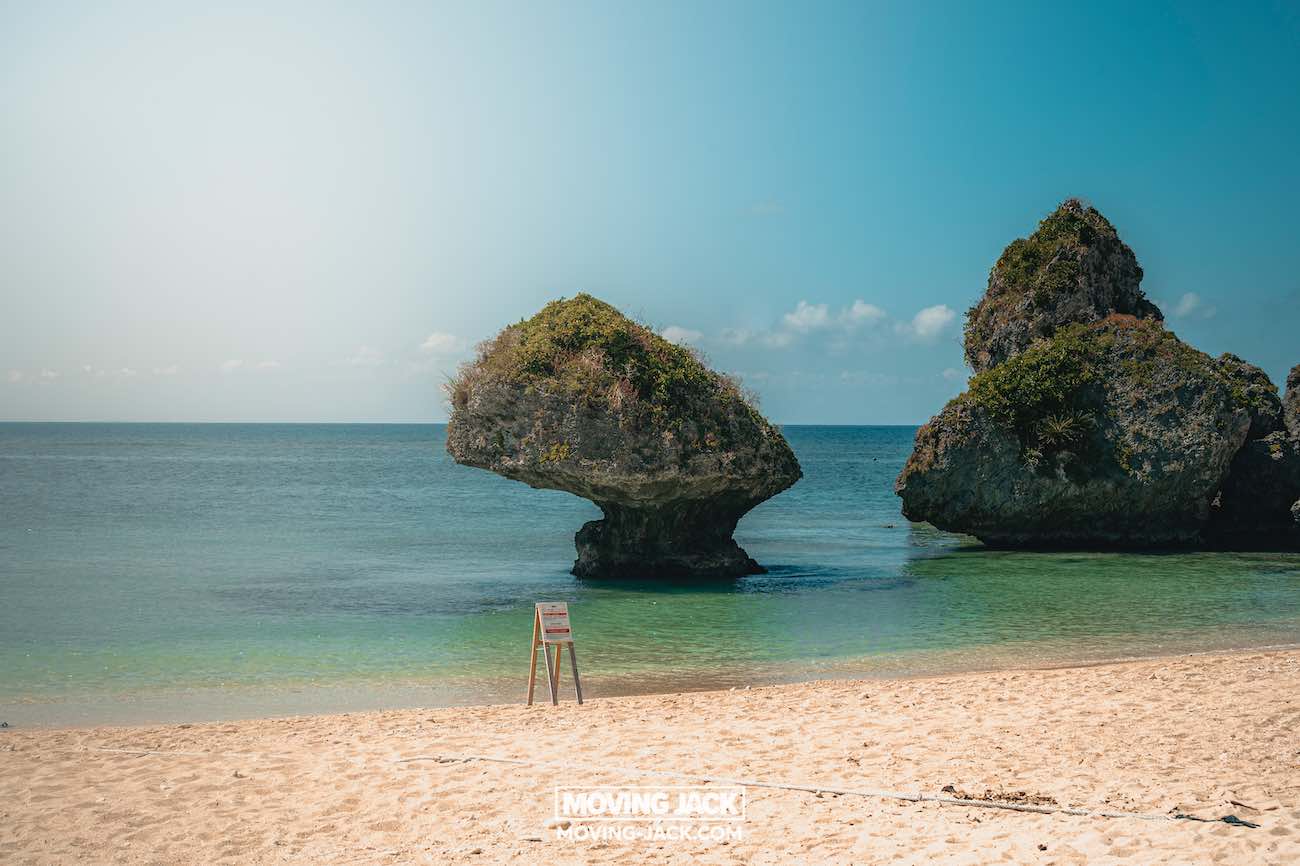
I’m already planning when we can go back. While we’re still living in Seoul, it’s only a 2,5 hour flight! There are a lot of beaches I haven’t explored yet, islands off the main island I want to visit, like Miyagi Island, but I also want to explore the prefecture more. Okinawa is the main island, but it’s also the name of the entire region. I’m hoping to visit Ishigaki someday!
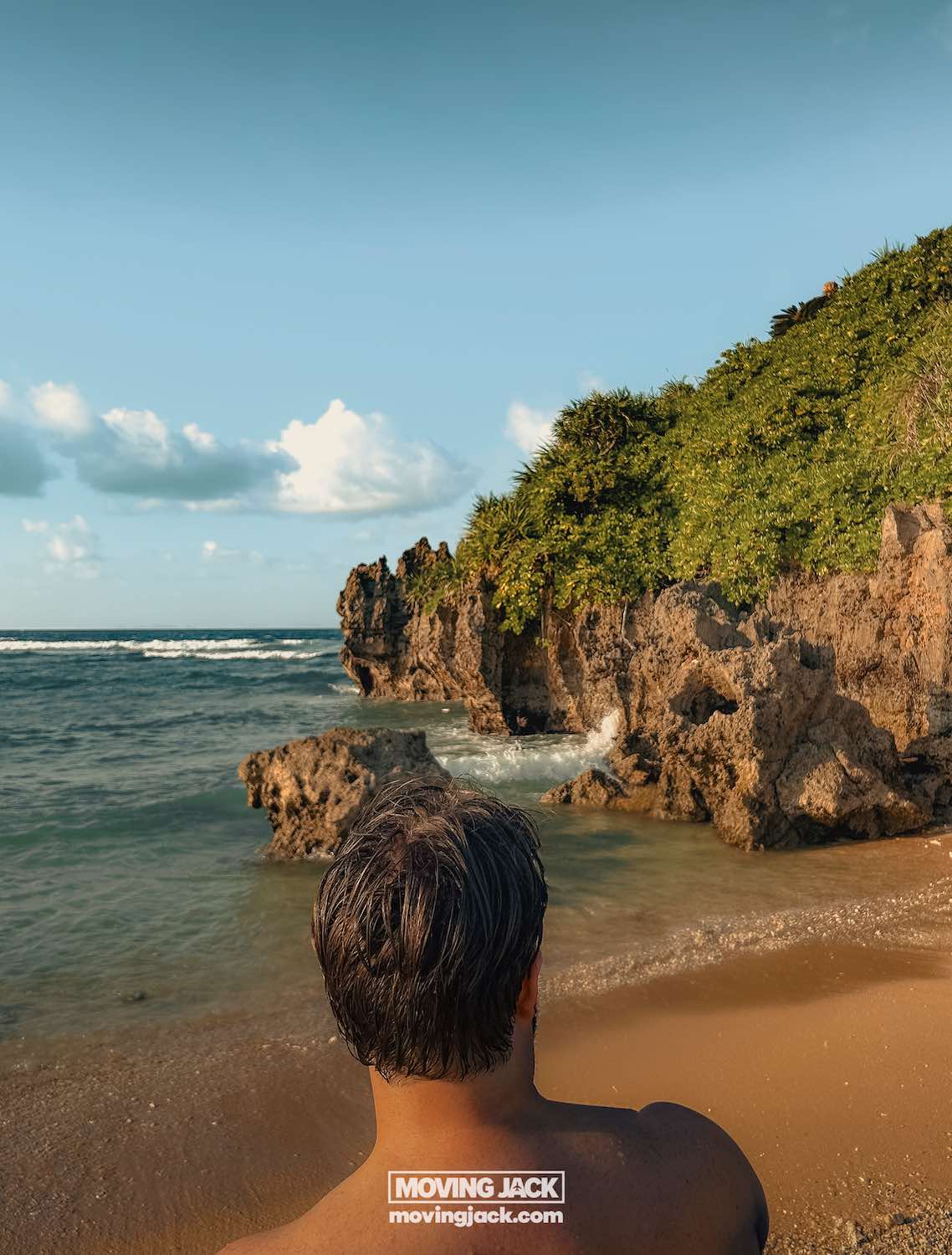
That’s the thing about Okinawa, you can visit multiple times and still find a lot of new things!