




Is Seoul worth visiting? For most, Seoul is not a destination that’s around the corner. Traveling here isn’t cheap, so it’s worth asking yourself.
I’ve been living here for 2 years, with a few more to go, and in this post, I will share why it’s worth visiting and why it’s maybe not for everyone.
TL;DR: Seoul is worth visiting if you want a diverse, active city trip with plenty to do (and at very affordable prices!). It might not be worth visiting if you’re looking for a real Asian culture shock or a high variety in nature.
9 Reasons Why Seoul Is Worth It
After living here for two years, I find Seoul an incredibly unique place because of these 9 things:
1. Modern City Meets Traditional Culture
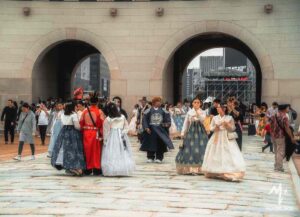
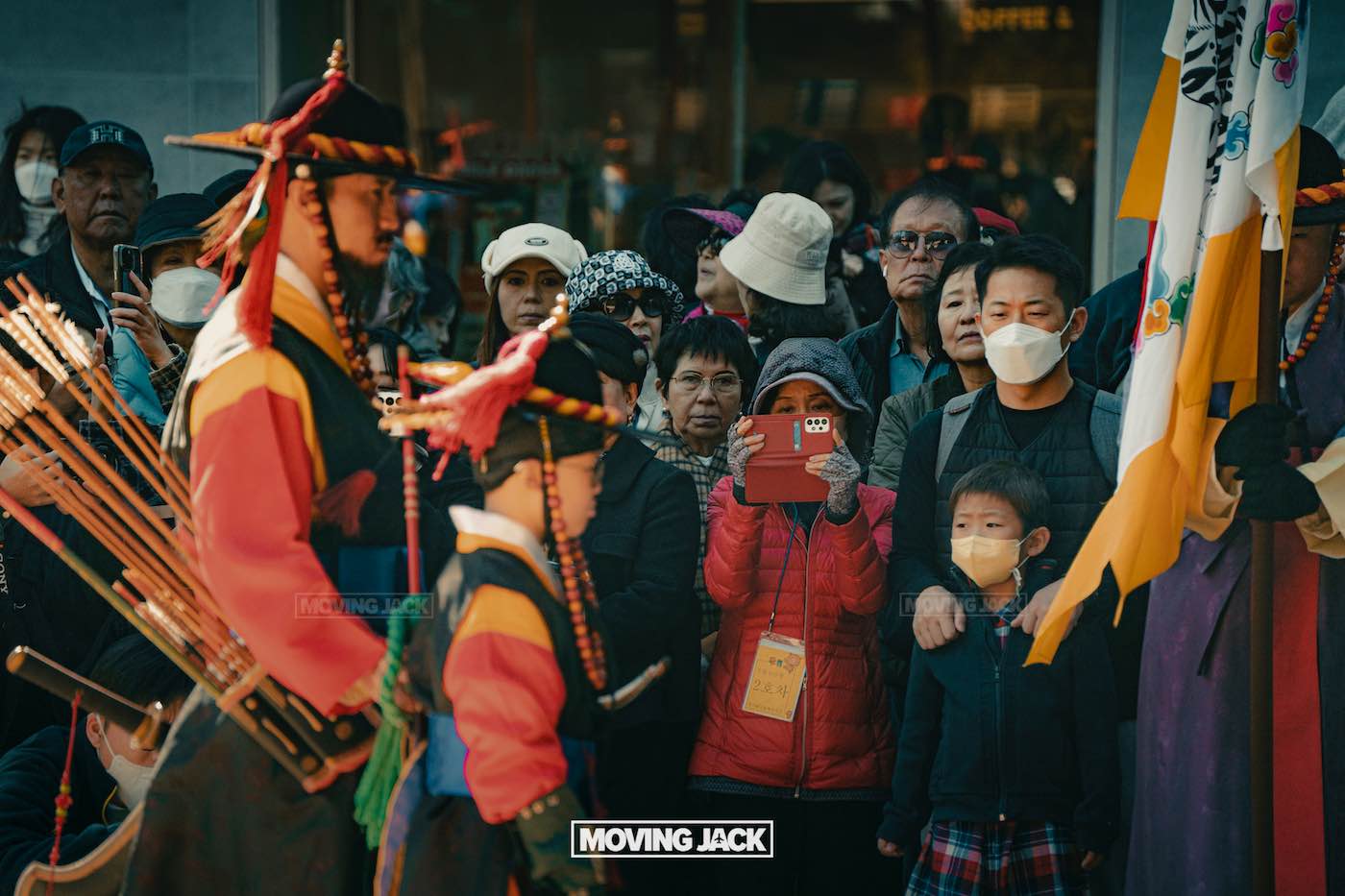
Seoul is a modern city mixed with traditional Korean styles. You’ll see ancient palaces literally next to skyscrapers. It’s pretty cool walking through Gyeongbokgung Palace, and then five minutes later, you’re in a super modern shopping district.

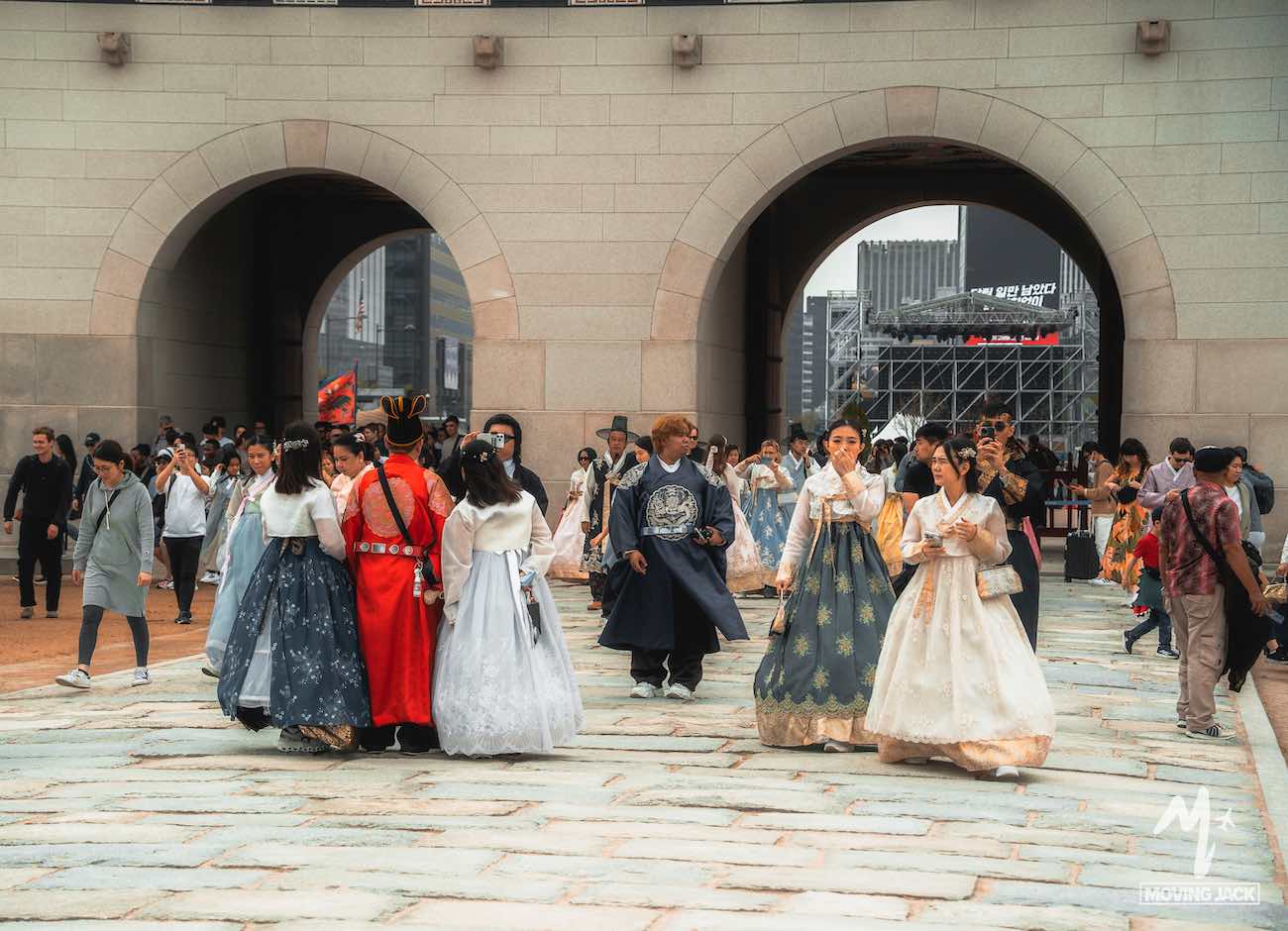
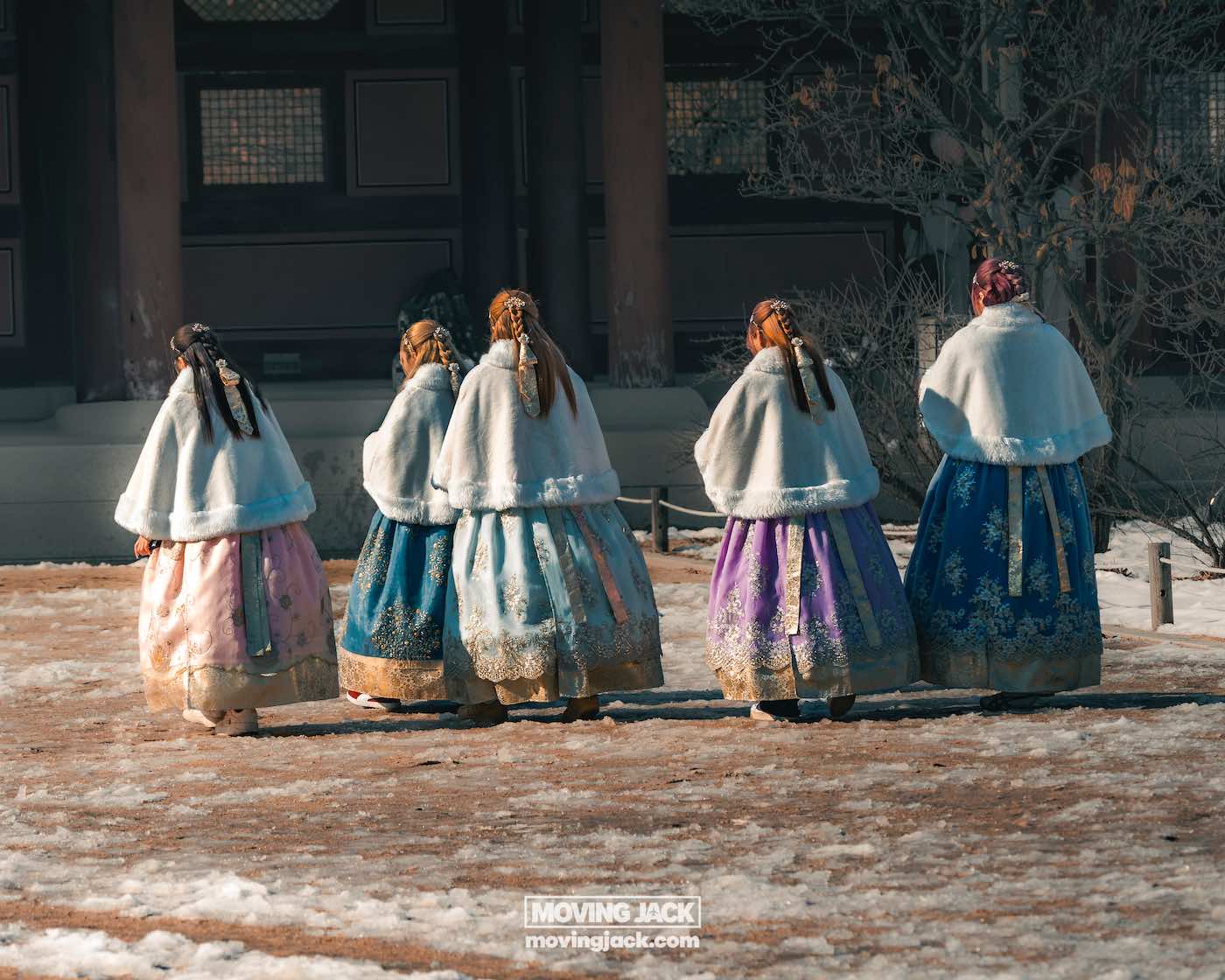
What I love about Korean culture is that it’s very accessible. Like, you’ll see a lot of people from all over the world in a hanbok (traditional Korean dress) taking photos at palaces, then grabbing coffee at a futuristic cafe five minutes later. Koreans are very proud of their culture, and they really like to share their customs and traditions with others.
2. K-pop Culture Is Everywhere
K-pop! K-pop is everywhere, and you’ll hear the music everywhere you go! You’ll see posters, billboards, and even the pizza you order at home will have a K-pop band printed on the box. Even just walking outside, shops have speakers on the street playing K-pop music, it’s pretty wild!


But it goes way deeper than just music. K-pop stores sell everything from photo cards to full concert outfits. You’ll see makeup stores advertising “idol looks” and hair salons specializing in K-pop hairstyles. Cafes are themed around specific groups, and fans camp out for days when comebacks drop.
The energy is infectious even if you’re not a huge K-pop fan. Walking through areas like Hongdae or Myeongdong, you’ll see street performers doing full K-pop choreography, and crowds genuinely stop to watch and cheer.
3. Hiking Culture in the City
Seoul is very close to beautiful mountains with beautiful hiking trails. You can literally just take the subway (which only costs around a dollar per ride) to the mountains. Bukhansan National Park is right there in the city. Check out the Starbucks with an incredible view of the mountain! On weekends, you’ll see many Koreans in full hiking gear on the subway.

And I mean FULL gear like professional hiking boots, hiking hats, shirts, trekking poles, the whole deal. It’s like a national sport. You’ll see 70-year-old women in complete gear hiking around younger tourists in sneakers.
You can also stay more in the city and go hiking around Namsan Tower, or, as it’s also called, N-Tower.

The hiking infrastructure is great. Well-marked trails, rest areas with exercise equipment, outdoor gyms in the mountains, and even air pressure machines to blow the sand off your shoes (crazy!). Hiking is completely free and accessible for everyone.

4. 24/7 Convenience Culture
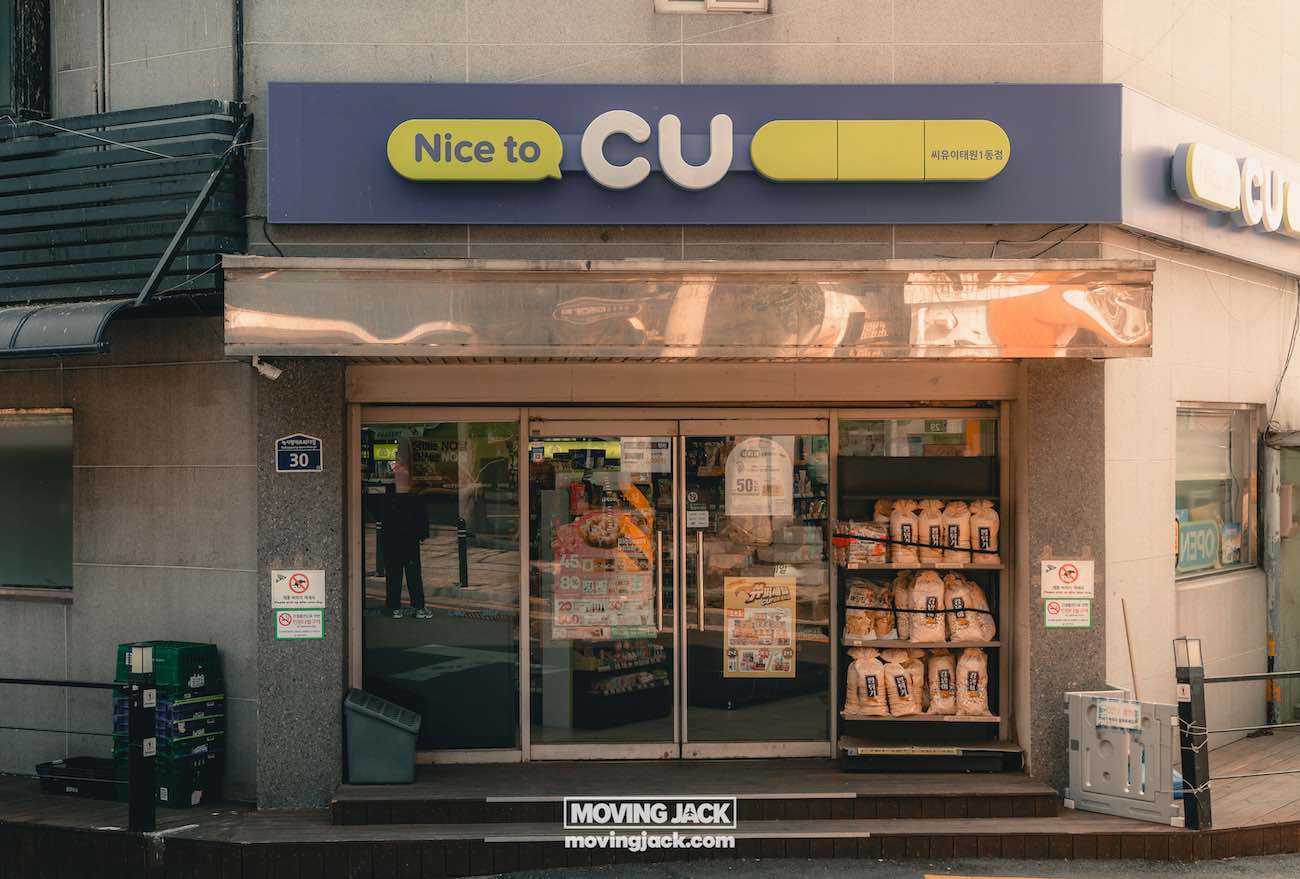
Seoul never truly sleeps. Sure, the subway stops around midnight, but the city keeps going. Convenience stores (7-Eleven, CU, GS25) are everywhere, literally one on every block, and they’re open 24/7. There’s even one at the end of my street and not that many people live here. You can get pretty good food at 2 AM, not just snacks. Triangle kimbap, ramen, sandwiches, and even hot meals.
But it goes beyond convenience stores. PC bangs (gaming cafes) are open all night. Karaoke rooms (noraebang) stay open until sunrise. Many restaurants serve until 2-3 AM. Bars and clubs obviously go late, but even regular shops in areas like Dongdaemun stay open well past midnight.
This 24/7 culture means you can live on any schedule. Want dinner at 1 AM? No problem. Need to do laundry at 3 AM? Laundromats are open. Forgot something at 11 PM? The convenience store has it.

5. Many Affordable Activities
There are a lot of things to do like museums, the Zoo, and almost all of them are free or very cheap. Compared to Western cities, you’ll spend way less on the things to do here.
Palace entry is only 3,000 won ($2.50). Most museums are completely free. Parks are everywhere and free to use. Han River parks are free, bike paths, picnic areas, changing of the guard ceremonies, visiting Bukchon Hanok Village, and a light show at the Rainbow Bridge. Hiking is obviously free.
Even paid activities are reasonable. Baseball games cost 10,000-20,000 won ($8-15). Public swimming pools are like 5,000 won ($4). The zoo is cheap. Movie tickets are about 10,000 won.
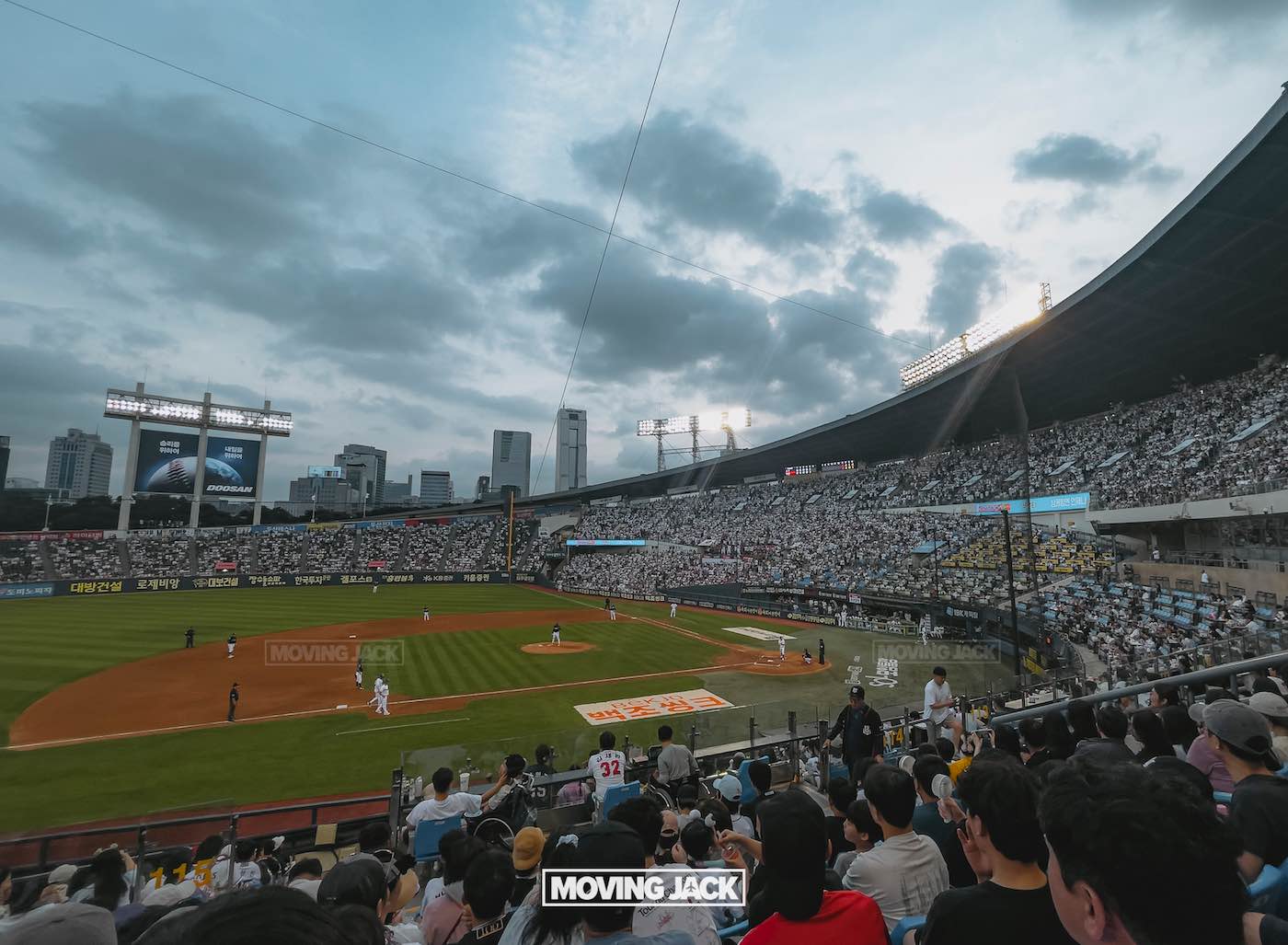
Compare that to Western cities, where a museum might cost $25, and a baseball game is $50+. Seoul makes culture and entertainment accessible to everyone.
Check out my complete guide about all free and cheap things to do in Seoul.
6. Food Scene Beyond Korean BBQ
The food here goes way beyond Korean BBQ. There are night markets, street food stalls, traditional restaurants, and modern fusion places. And it’s open late – like really late. You can get proper food at 2 AM no problem.
What surprised me most was the variety. Obviously, Korean food is everywhere, and it’s great. My favorites are Gimbap, bibimbap, and Korean fried chicken (at the right places). But Seoul also has good international food. Spanish in Hannam-dong, Vietnamese in Yongsan, Turkish in Itaewon, Italian in Haeng-daero, Japanese everywhere.
Namdaemun Market has local food like hotteok (sweet pancakes) to tteokbokki. And it’s all affordable; most street food costs 3,000-5,000 won ($2-4).
Tip: you might see locals wearing red jackets and cowboy hats at Namdaemun market, and other palces. They provide information and speak English very well! Super friendly staff and willing to help whenever they can. I love this.
The coffee culture in Korea is next-level. There are over 100,000 coffee shops! Every neighborhood has dozens of cafes, and many with unique concepts. Koreans treat cafes like living rooms – people hang out for hours working, studying, or just chatting. Even at 10 pm, coffee shops are full of folks meeting and drinking coffee (I can not drink coffee after 6 pm, I could never sleep!).

7. Safe and Clean Like Nowhere Else
Seoul is incredibly safe. I’ve walked around at 3 AM and never felt unsafe. The subway is clean, streets are well-maintained, and you can leave your laptop on a table in a coffee shop to save your seat (seriously, people do this).
The cleanliness is also notable. Streets are clean, subway stations are maintained, public bathrooms are everywhere, and they are really clean (I love this). There’s not much trash on the streets, graffiti is minimal (except for some streets in Itaewon), and everything feels well-kept.
CCTV cameras are everywhere (like everywhere), which helps with safety but might feel invasive to some visiting for the first time. But it’s just one of the reasons why it’s so safe here.

8. Pop-up Culture and Constant Events
One thing that makes Seoul feel alive is the constant stream of pop-up stores and events. Every week there’s something happening in a mall – a K-pop group’s pop-up store, a brand collaboration, a themed cafe, a market.
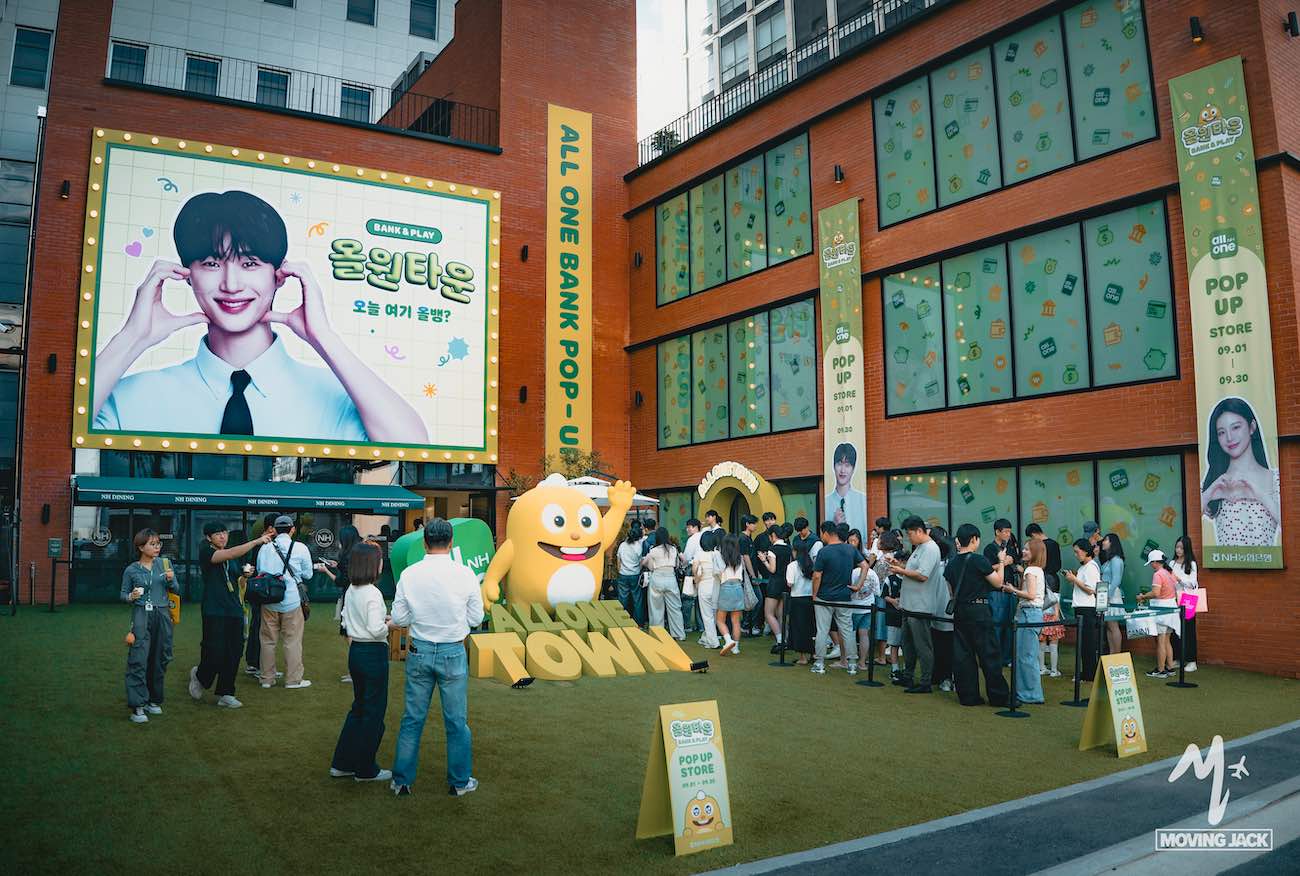

Walk through areas like Seongsu-dong or Myeongdong, and you’ll always discover something different. A pop-up for a new mobile game launch, a K-drama-themed photo exhibition, and a food festival. Seoul Plaza has an ice skating rink in winter and an outdoor library in summer.
Malls like Hyundai Mall and I’Park Mall constantly rotate their events. Common Ground in Seongsu has container shops that change regularly. It keeps the city dynamic, even after living here for years.
9. the Neighborhoods Have Personality
What really makes Seoul special is how different each neighborhood feels. Gangnam is business and expensive, Hongdae is young and artsy, Itaewon is international and diverse, Seongsu-dong is hipster Brooklyn vibes, Insadong is traditional and cultural, Ikseon-dong is more local.

You can get completely different experiences just by changing neighborhoods. Want fancy shopping? Gangnam. Want indie bands and street art? Hongdae. Want Turkish food and international vibes? Itaewon. Want trendy cafes in old factories or containers? Seongsu-dong.

This variety means Seoul never gets boring! You can live here for years and still discover new areas with completely different characters. It’s not just “Seoul,” it’s like dozens of distinct little towns, each with its own identity. So this is pretty cool and unique compared to many other cities in the world.
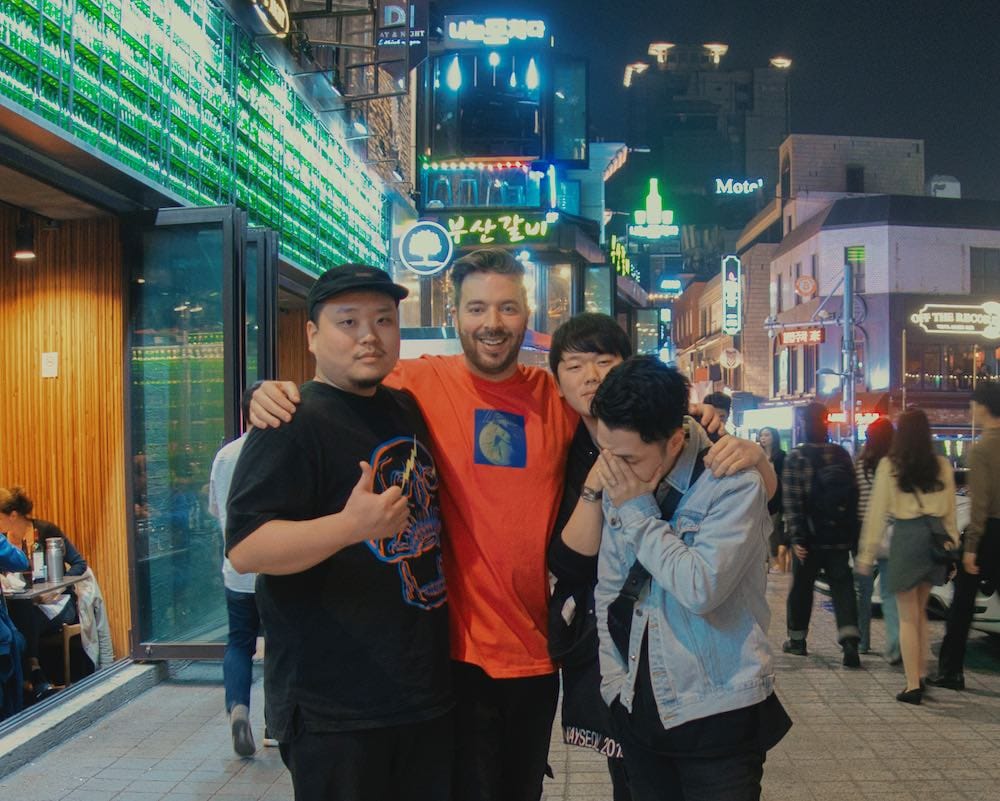
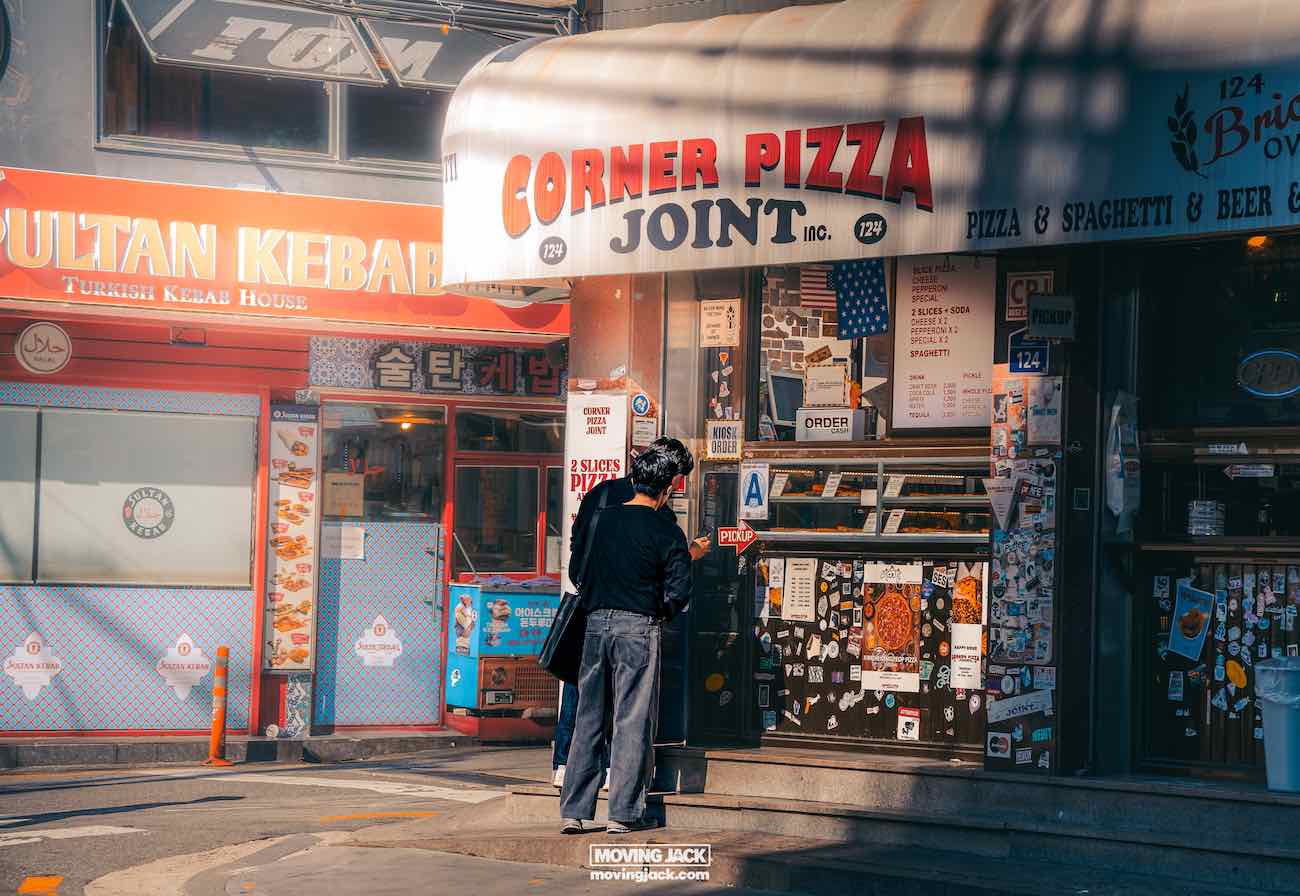
Btw, sometimes people ask me if Seoul is ‘American-friendly’, I think the picture below says it all 🙂

5 Reasons Why Seoul Might Not Be Worth It
Seoul might not be worth visiting if you’re looking for a real culture shock, a wide variety of nature, or a quick way to explore the city. Here’s my honest truth:
1. Not as Exotic as You Might Expect
While this may be different for everyone, of course, but Korea is a very internationally focused country. International traditions influence many aspects of Korean culture. Having coffee at fancy, sometimes the most creative, coffee shops is popular in Korea, but it also feels very Western. K-pop is very popular, but it is filled with Western elements as well.
So while there are a lot of traditional Korean things to explore, it’s not the culture shock you might get in Beijing or Hanoi, for instance.

2. This Is Not Japan
Well… duh! But some of my friends who came over expected a lot of things like anime, Pokemon, Nintendo, Disney, and all those kinds of things: “because it’s so close to Japan, it must be there as well, right?” Well no. While there is some of that, South Korea is very focused on its own things like Pororo (famous Penguin), Lotte Theme Park, you’ll see only Korean car brands.
Itaewon is one of the few areas with more international offerings, but you can explore them in a day.

3. Air Pollution
There has also been more air pollution in the past years than I expected. Some say it’s because of China, but I think it’s also because of the lack of electric vehicles in Seoul. You’ll barely see any electric cars or scooters, and walking next to a busy road isn’t all too great. Especially with kids, this can be a bit of a nuisance. Spring is especially bad for yellow dust.

4. Getting Around Takes Time
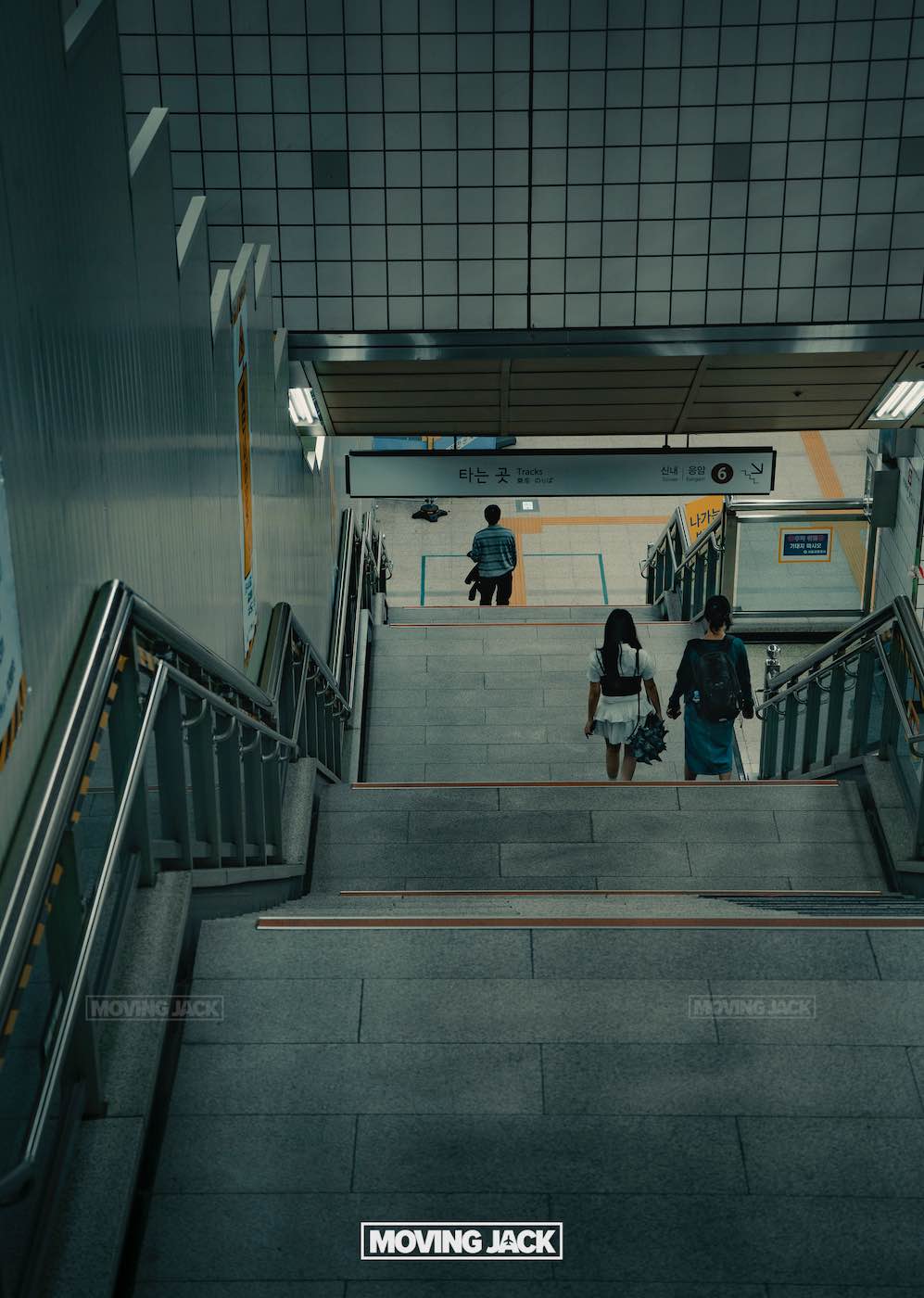
Traffic is quite hectic and not very clear, and even taking the subway takes much longer than you think. The distance you have to walk between lines when transferring to another line is long, and there are a looot of stairs. Seoul is huge – like really huge. It takes about an hour to get from one side to the other.
5. Language Barrier
The language barrier is real. Outside of tourist areas, English isn’t as common as you might expect for such a modern city. Ordering food, asking for directions, or dealing with any issue can be challenging. Download Papago (translation app) before you come.
How Seoul compares to other major Asian cities:
- Shenzhen and Shanghai: More modern and futuristic
- Beijing: More culture shock and culturally rich
- Tokyo: Compared to Seoul, higher variety in nature outside of the city and more culture shock
- Hanoi: Much cheaper, less well-maintained streets, bigger culture shock
- Taipei: Very Chinese, more options for things/day trips to explore outside of the city, cheaper than Seoul. But less easy to navigate than Seoul
In short, Seoul is a city that’s unique on its own with its own pros and cons. And if you’re into Korean culture, K-dramas, K-pop and Korean food, obviously Seoul is the place to be.
Best Time to Visit Seoul
Spring and autumn are the best months to visit Seoul. Spring is beautiful with cherry blossoms and lots of green, and autumn brings orange, red, and yellow colors to all the trees.
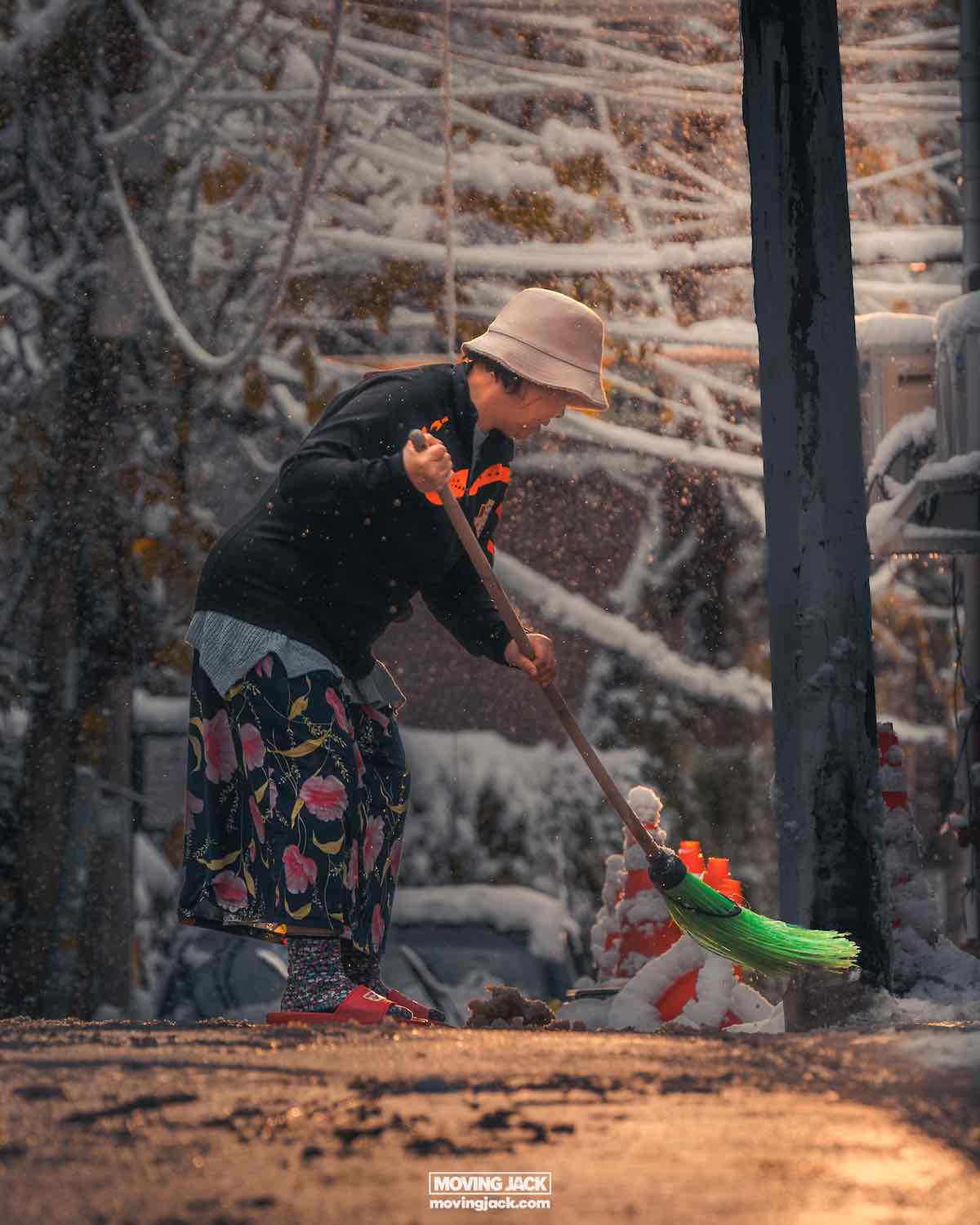
But! Those are also some of the most expensive months. In my experience, November and December are not bad either. Yes, it’s cold, but the weather is dry, almost no rain, there usually isn’t any wind, and the sky is clear. Air pollution is also much lower during those months. And flight tickets are way cheaper. If I were to buy flight tickets and visit Seoul, I would go at the end of November or the beginning of December.
Plus, you can wear this winter-style Hanbok at the pala, how cool is that, looks like it’s straight out of the movie Frozen.
I’d say the worst months to go are January and February. In January, it’s even colder than in December, and in February, the weather isn’t great, and a big part of the month is Lunar New Year, when there is not much to do in the city.

Where to Stay in Seoul
Choosing the right area is crucial because Seoul is huge and getting around takes time.
My recommendation: Stay in Myeongdong or Gwanghwamun for your first visit, or Itaewon if you want more international food options. You can always explore other areas by subway.
Need help planning your Seoul trip? Check out my complete guide on where to stay in Seoul with detailed neighborhood breakdowns for every type of traveler.
FAQ
How many days do you need in Seoul? Minimum 5 days to see the main stuff without rushing. 7 days is better if you want to do day trips or really explore neighborhoods. 3 days feels rushed, and you’ll miss a lot.
Is Seoul expensive? Mid-range for Asia. More expensive than Thailand or Vietnam, cheaper than Japan or Singapore. Food is cheap, accommodation is reasonable, but shopping and some activities can add up. Budget $50-100 per day, depending on your style.
Is Seoul safe for solo travelers? Very safe. Even at night. Women traveling alone generally feel comfortable here. Just use common sense like anywhere.
Do I need a visa? Depends on your country. Many Western countries get 90 days visa-free. Check before you go.
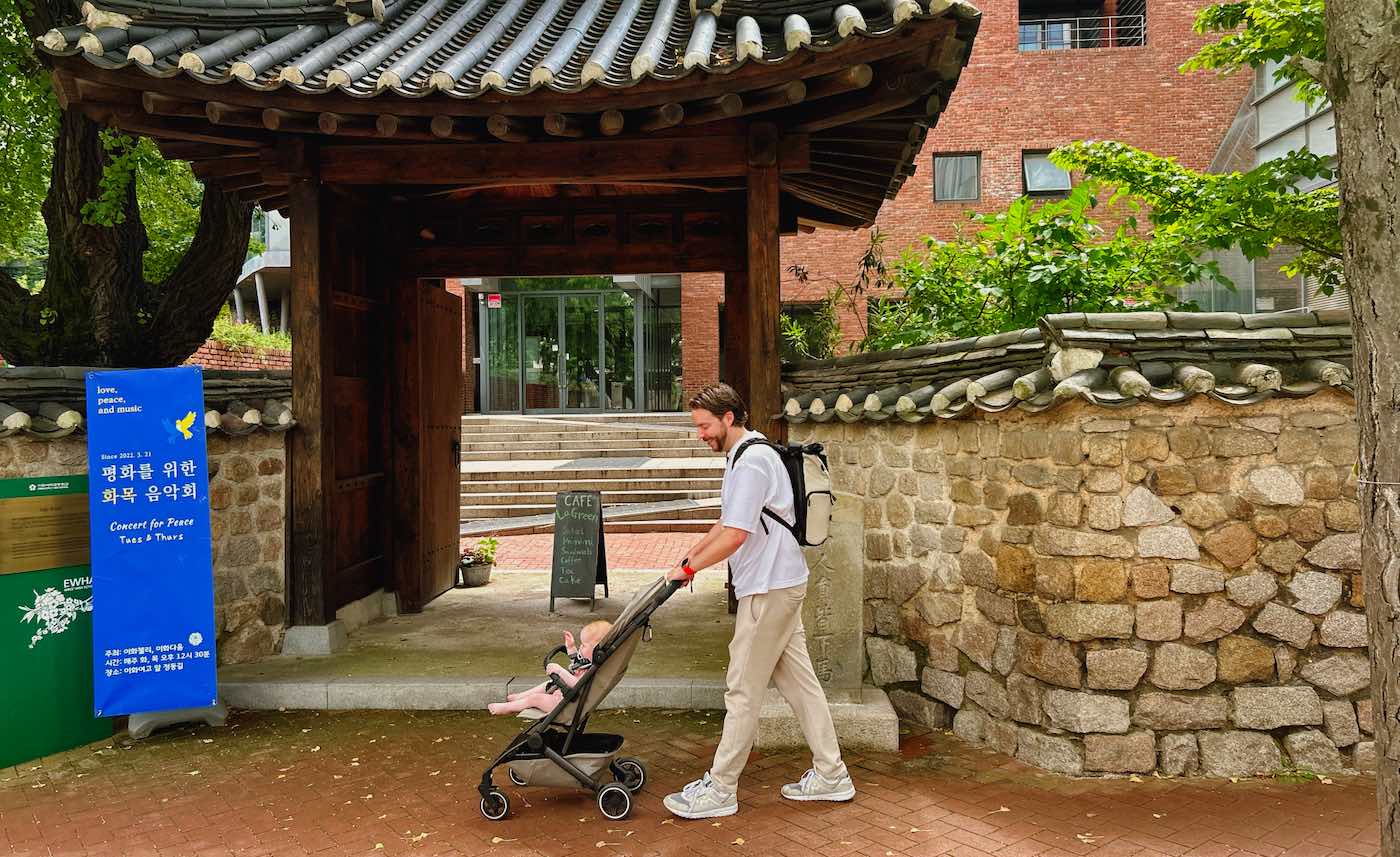
Is Seoul good for kids? Yes and no. Lots of activities and it’s safe, but the city is tiring with all the walking and stairs. Not great for strollers. Better for kids 8+ who can walk well.
Seoul is worth it if you…
- Are into K-pop, K-dramas, or Korean culture!
- Love city trips and city energy
- Are a foodie willing to go beyond tourist spots
- Appreciate seeing modern buildings mixed with traditional ones
- Want great public transportation
- Enjoy 24/7 convenience culture
- Want affordable things to do (when choosing the right options)
- Want a safe travel destination
Seoul might not be worth it if you…
- Are looking for “undiscovered” Asia
- Are looking for a major culture shock
- Prefer nature-focused destinations
- Want a beach or coastal trip
- Have very limited time (3 days or less is very rushed)
- Expect widespread English everywhere
- Dislike big, crowded cities (It’s much more crowded everywhere than Shanghai even though twice as many people live there)
Final Tips from Living Here
Seoul is absolutely worth visiting if you want a modern Asian city experience with good food, efficient transport, and interesting culture. It’s safe, clean, and easy to navigate. It’s much more accessible than China, for instance, where all Western apps and websites are blocked, many credit cards don’t work, and English isn’t spoken in most places. In Seoul, you’ll have none of that.
The food scene is great, the city has good infrastructure, and there’s always something happening. Pop-up stores, events, markets, it’s very lively. The mix of traditional and modern is cool, and hiking in the mountains is literally 30 minutes from downtown.
But it’s not for everyone. If you’re looking for exotic Asia, incredible nature, or want to explore tons of different landscapes, you might be disappointed. Air pollution can be rough in spring, and getting around takes longer than you’d think because the city is massive and very crowded.
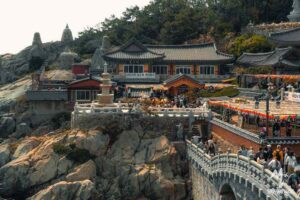
I’d say if you have the time and budget, yes it’s worth it. But maybe pair it with another destination in Korea, like Busan (2,5 hours by train), Jeju (1 hour flying), or even Okinawa, which is only 2,5 hours flying from Seoul, to get more variety.
It also helps if you’re interested in Korean culture, as it makes the experience much better. If you’re expecting the city to blow you away by itself, you might have a harder time enjoying it.
For me personally, living here has been amazing. But I also understand why some visitors may feel underwhelmed. Set your expectations right, it’s a modern city with traditional elements, not ancient Asia with some modern touches.
If you’re thinking about visiting Seoul, check out my complete Where To Stay in Seoul guide.