




I’ve been to Okinawa multiple times. Solo, with my wife, and most recently with a group of 8, including our 2-year-old son. I’ve driven across the island, left my stuff on beaches, carried cash everywhere, and never once felt unsafe.
Quick Answer Yes. Okinawa is one of the safest places I’ve ever traveled to. It’s Japan, which already sets a high bar, but Okinawa feels more relaxed than the mainland.
I left my bag on the beach while swimming. Nobody touched it. I carried cash everywhere (ATMs at 7-Eleven work with foreign cards) and never worried. Traveling with a toddler, I never once had that “is he safe here?” feeling you get in some other countries.
That said, there are a few things worth knowing before you go. Not because they’re dangerous, but because being prepared makes everything even more relaxed.
Grab here my Where To Stay in Okinawa Guide
Is Okinawa Safe?
Here’s everything you need to know about Okinawa’s safety:
Crime and Theft
Almost nonexistent. Okinawa has one of the lowest crime rates in Japan, which already has one of the lowest crime rates in the world.
To give you an idea of how safe it feels: in Okinawan supermarkets, you don’t pay at the cashier. You scan your items, then walk over to a separate payment machine a meter away. Nobody watches you. Nobody checks. The system works because nobody steals. That tells you everything about the culture here.
Pickpocketing, mugging, scams? Not a thing. I’ve never heard of a tourist having a bad experience. The locals are incredibly kind and respectful.
The only advice I’d give: don’t leave valuables visible in your rental car, not because of locals, but because it’s a basic habit that applies anywhere in the world, and there are people from other countries as well, of course.
Ocean Safety
This is where you need to actually pay attention.
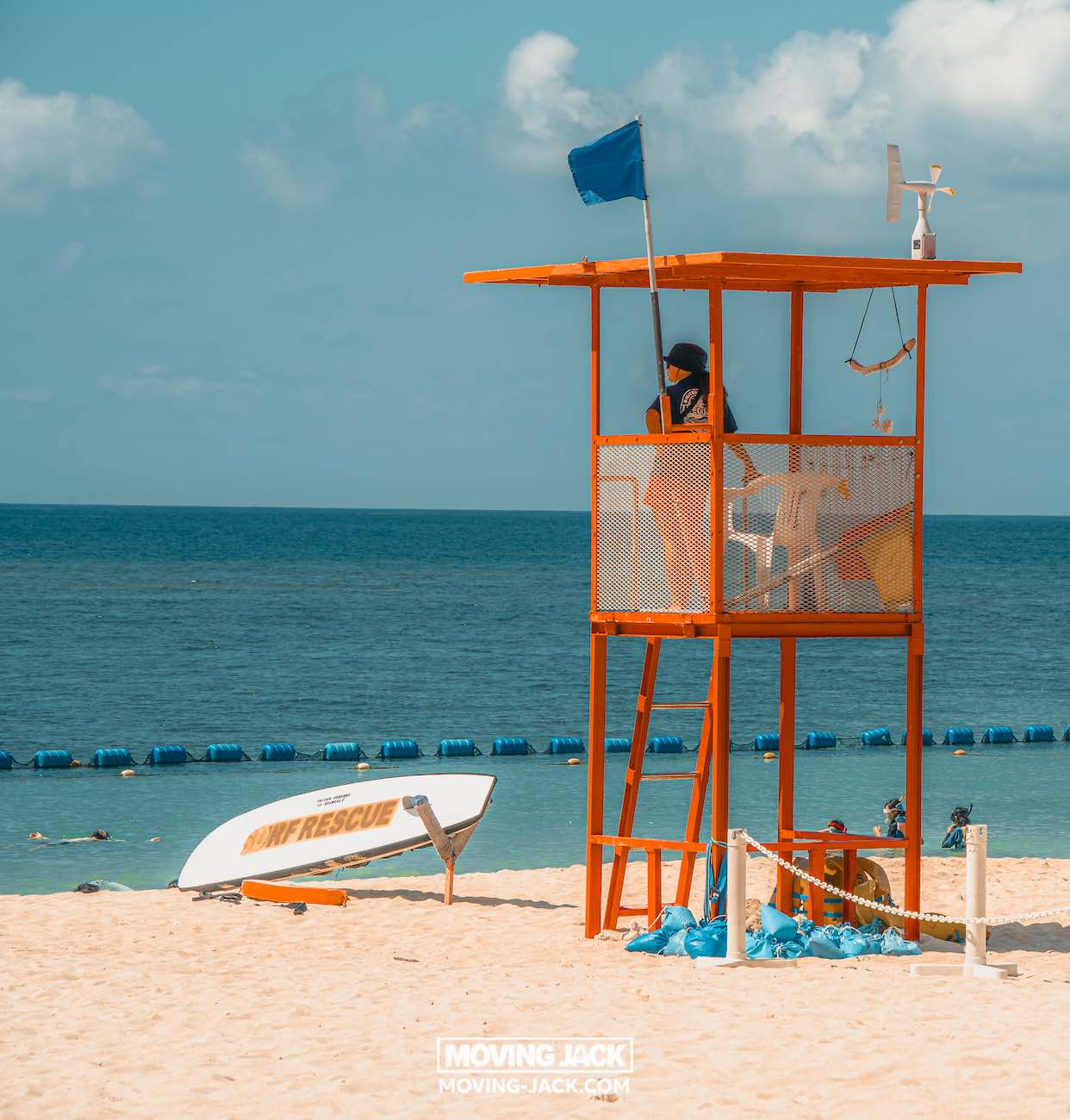
Jellyfish. Some beaches have jellyfish nets during swimming season (April to October), especially the bigger ones like Nirai Beach and Emerald Beach. Outside of netted areas, box jellyfish (habu kurage) can be present, especially in summer. If you get stung, pour vinegar on the area (many beaches have vinegar stations) and head to a clinic.
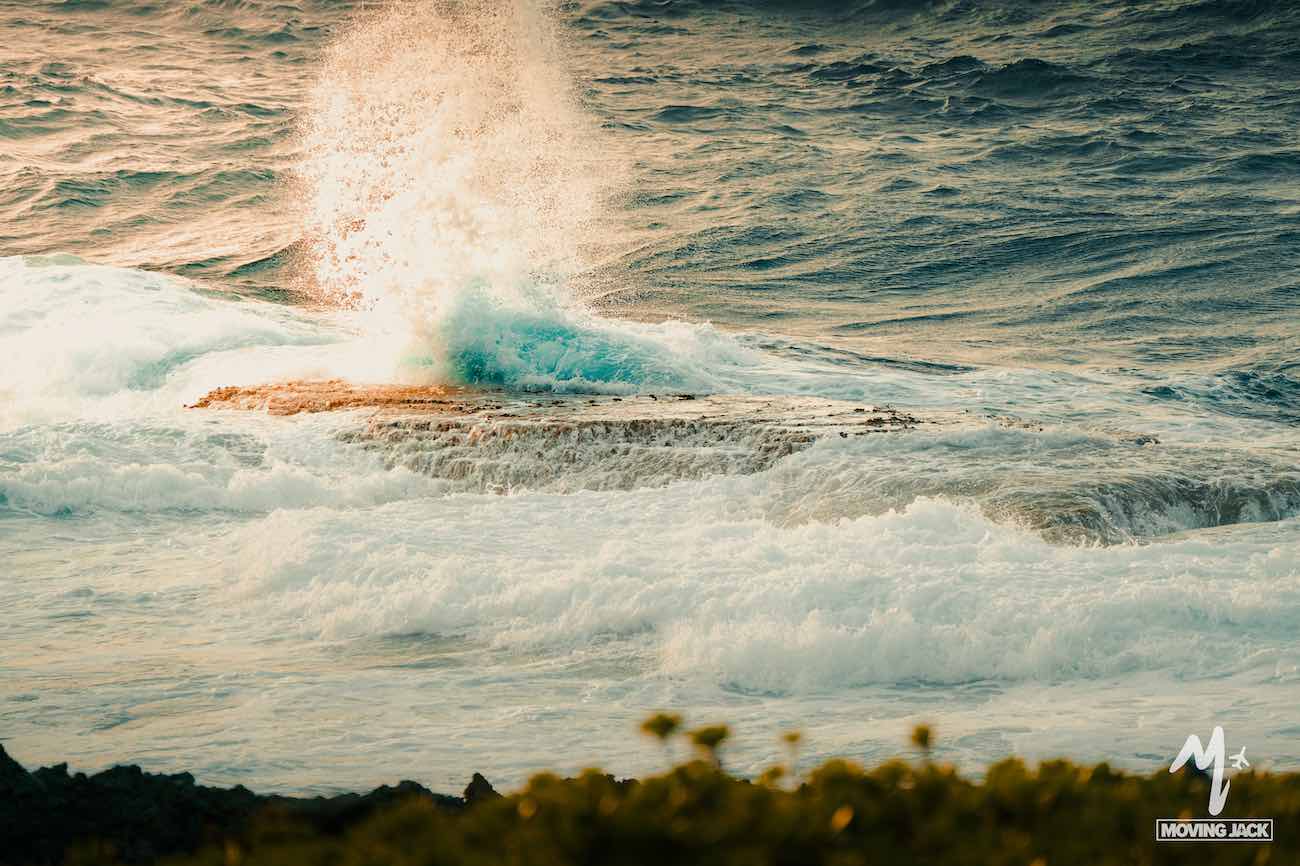
Currents. Some beaches have strong currents, particularly the less developed ones on the east coast and around rocky areas. Stick to beaches with lifeguards if you’re not a confident swimmer. Always check conditions before getting in.
Cone shells. This one is oddly specific but worth knowing. Don’t pick up cone-shaped shells on the beach. There could be a cone snail inside, and some species are venomous. The chances of actually finding one are really slim, but it costs you nothing to just leave shells alone. Tell your kids, too.
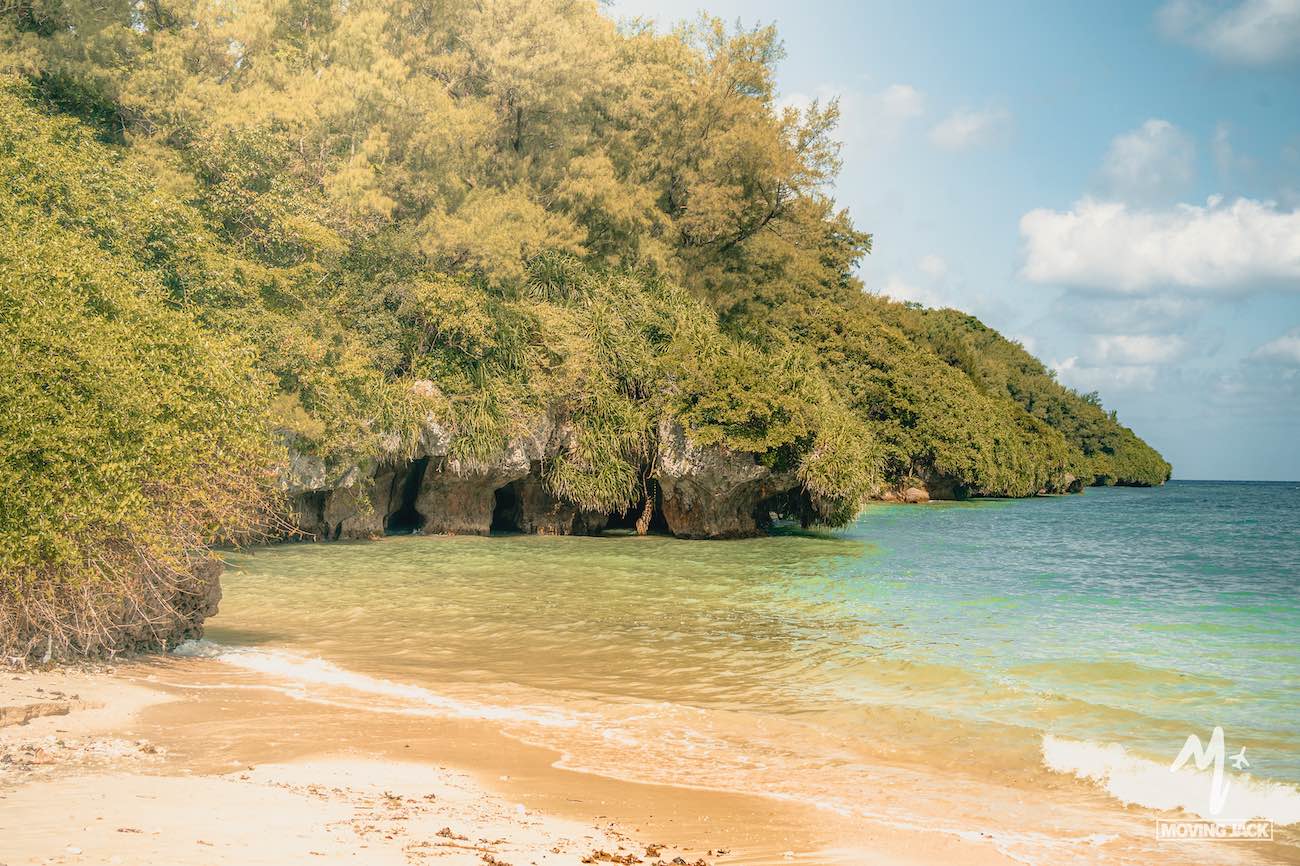
Rocks and reef. Bring water shoes. Some beaches have coral and rocks in the shallower areas. It’s not dangerous, just not great if you step on something sharp.

Typhoons
Okinawa is in typhoon territory. The season is roughly from June to October, with the highest risk in August/September.
When a typhoon hits, it’s serious. Flights get canceled, roads close, and you’ll be stuck in your hotel for a day or two. The good news is that Japan’s typhoon warning system is excellent. You’ll know days in advance if something is coming.
If you go in October as I did, the risk is much lower. The weather was perfect. Warm water (around 27°C), empty beaches, lower prices. It’s honestly the best time to visit.
My advice: check the weather forecast before booking, and make sure you have flexible cancellation on flights and hotels during typhoon season. Travel insurance is a must.
Earthquakes
Japan is earthquake-prone, and Okinawa is no exception. Tremors do happen, though major earthquakes are much less frequent here than on the mainland.
Hotels and buildings are built to withstand earthquakes. Japan’s earthquake early warning system sends alerts to your phone (even foreign phones on local networks) seconds before shaking starts.
If you’ve never experienced an earthquake: stay calm, get under something sturdy, and stay away from windows. But honestly, in my multiple trips to Okinawa, I’ve never felt one. It’s worth knowing about, not worth worrying about.
If you’d like to check any warnings, visit the Japan Meteorological Agency earthquake site
Driving Safety
You need a car in Okinawa. There’s no real public transport outside Naha. But driving here comes with a few things to adjust to.
They drive on the left. If you’re used to driving on the right, this takes some getting used to. I accidentally drove on the wrong side of the road when I first arrived. Take it slow on your first day.
Watch out when crossing streets. This applies to walking, too. Because cars drive on the left, traffic comes from the direction you’re not used to. Look right first, then left. Tell your travel companions, especially kids.
Speed limits are low. Most roads are 40-60 km/h. Drive the speed limit. Japanese traffic law enforcement is strict, and fines are steep.
Parking is free almost everywhere. Hotels, beaches, attractions. This is a nice surprise.
You’ll need an International Driving Permit (IDP). Get this before you leave home. I have a full guide on renting a car in Okinawa that covers just about everything.

US Military Bases
Okinawa hosts several US military bases. They take up around 15% of the main island’s land area.
For tourists, this mostly means you’ll occasionally see military aircraft overhead and pass by fenced-off base areas while driving. Don’t trespass. The areas are clearly marked and restricted.
Some Okinawans feel strongly about the military presence. It’s a political topic on the island. As a visitor, just be respectful and aware.
The bases don’t affect your safety as a tourist at all, but you might hear some fighter jets fly over that could scare you or kids a little. But this is mostly close to Naha.
Health and Medical
Hospitals and clinics in Okinawa are excellent. Japan’s healthcare system is world-class, and you won’t have any issues getting medical attention.
Pharmacies are everywhere, especially in urban areas. Drugstores like Matsumoto Kiyoshi have everything you’d need.
Tap water is safe to drink. Food hygiene standards are extremely high. I’ve never had a stomach issue in Japan. Visit the official emergency site if you’d like more info
Is Okinawa Safe for Families and Kids?
Absolutely. This is one of the best family beach destinations I’ve been to.
The popular beaches have jellyfish nets, lifeguards, clean facilities, and calm, shallow water perfect for toddlers. Nirai Beach even has a little VIP area with kids’ hammocks. Our son loved it.
Some Hotels have amazing kids’ playrooms and family-friendly restaurants. The Churaumi Aquarium is great for children of all ages. Okinawa is clean, organized, and quite easy to navigate when you rent a car.
One important thing, though: some coastlines and public areas near the coast don’t have fences or barriers. If you’re traveling with small kids, keep a close eye on them near cliffs, rocky coastlines, and elevated walkways. Japan doesn’t always fence things off the way Western countries do. It’s not unsafe, it’s just something to be aware of.

Is Okinawa Safe for Solo Travelers?
Very much. Harassment is extremely rare. Public spaces are well-lit. You can walk around at night without worry.
But it’s always smart to be a bit cautious, especially in areas where there are more clubs and nightlife, like in Naha.
The biggest challenge for solo travelers isn’t safety. It’s transport. You really need a car to explore Okinawa properly, and renting one solo means covering the full cost yourself. But in terms of personal safety, you couldn’t pick a better place.
Is Okinawa Safe from Tsunamis?
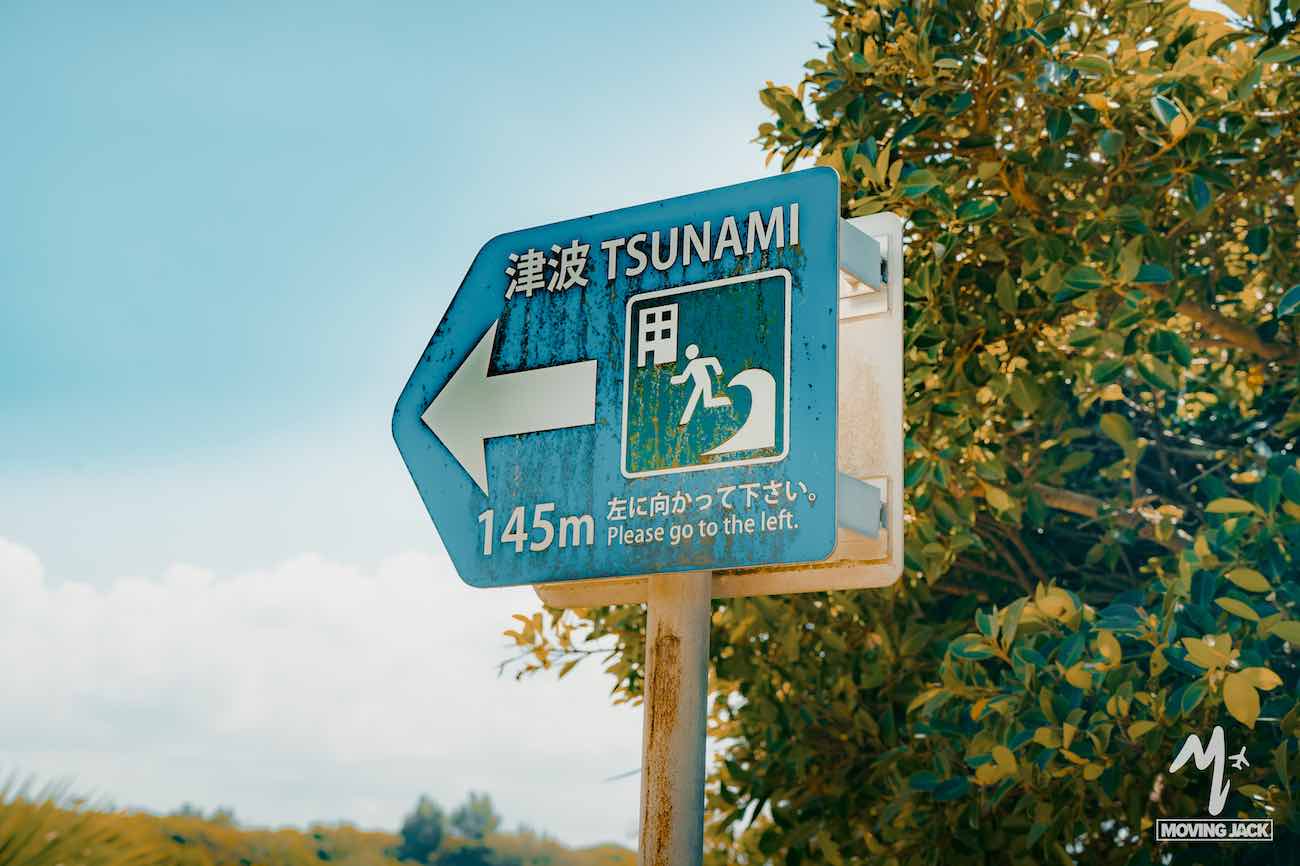
Okinawa has tsunami warning systems in place, and alerts are sent to phones quickly. The risk is lower than in mainland Japan, but coastal areas can be affected. If you hear a warning, move to higher ground immediately. Hotels in Okinawa are built with this in mind.
Is Okinawa Safe for Americans?
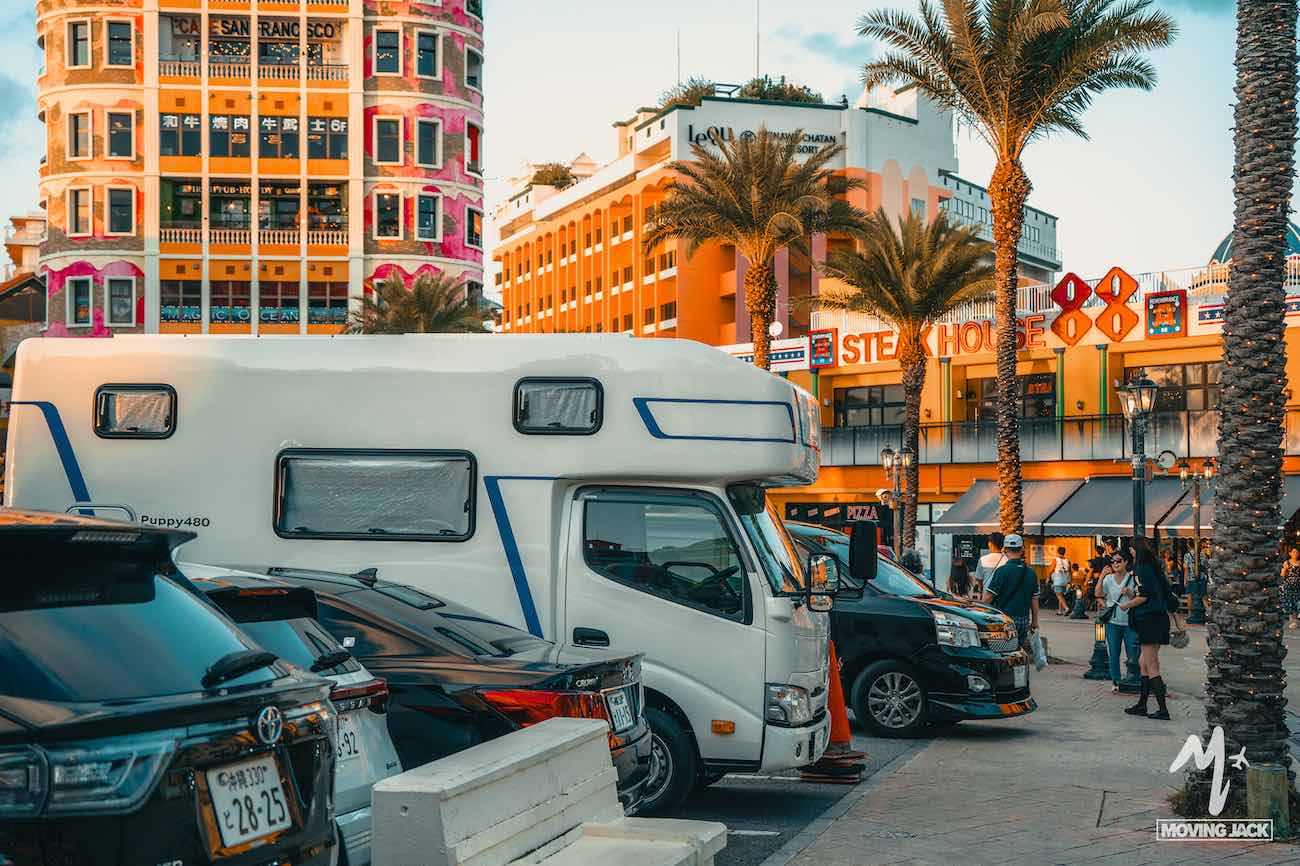
Absolutely. Okinawa is actually one of the most pro-American areas in Japan. American Village in Chatan is a great example. It’s a popular shopping and entertainment area built around American culture, and it’s fully embraced by locals and tourists alike. You’ll feel right at home.

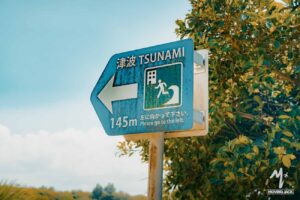
The 1 Thing Nobody Warns You About
The biggest “danger” in Okinawa? Getting too relaxed. Just kidding. I guess it’s the sun that can be incredibly strong. That air is clean, and so the UV rays are really strong. Even with sunscreen, I got burned a little, so please bring the strongest sunscreen you have and wear a hat or cap. It would even be smart to bring an umbrella to protect yourself from the sun, even if it’s just one of those smaller ones.
That’s it. That’s the biggest safety concern in Okinawa.
Useful Safety Links
Here are the official sites of Japan that cover everything about Okinawas safety:
- Typhoons section: typhoon warning system
- Earthquakes section: earthquake early warning system
- Tsunamis FAQ: tsunami warning systems
- Health section: medical attention
- Driving section: International Driving Permit (IDP)
- Travel insurance FAQ: good travel insurance policy
Where to Stay Safely in Okinawa
I recommend staying in Yomitan. It’s centrally located, has some of the best beaches on the island (Nirai Beach, Senaha Beach), and makes a great base for exploring both north and south.
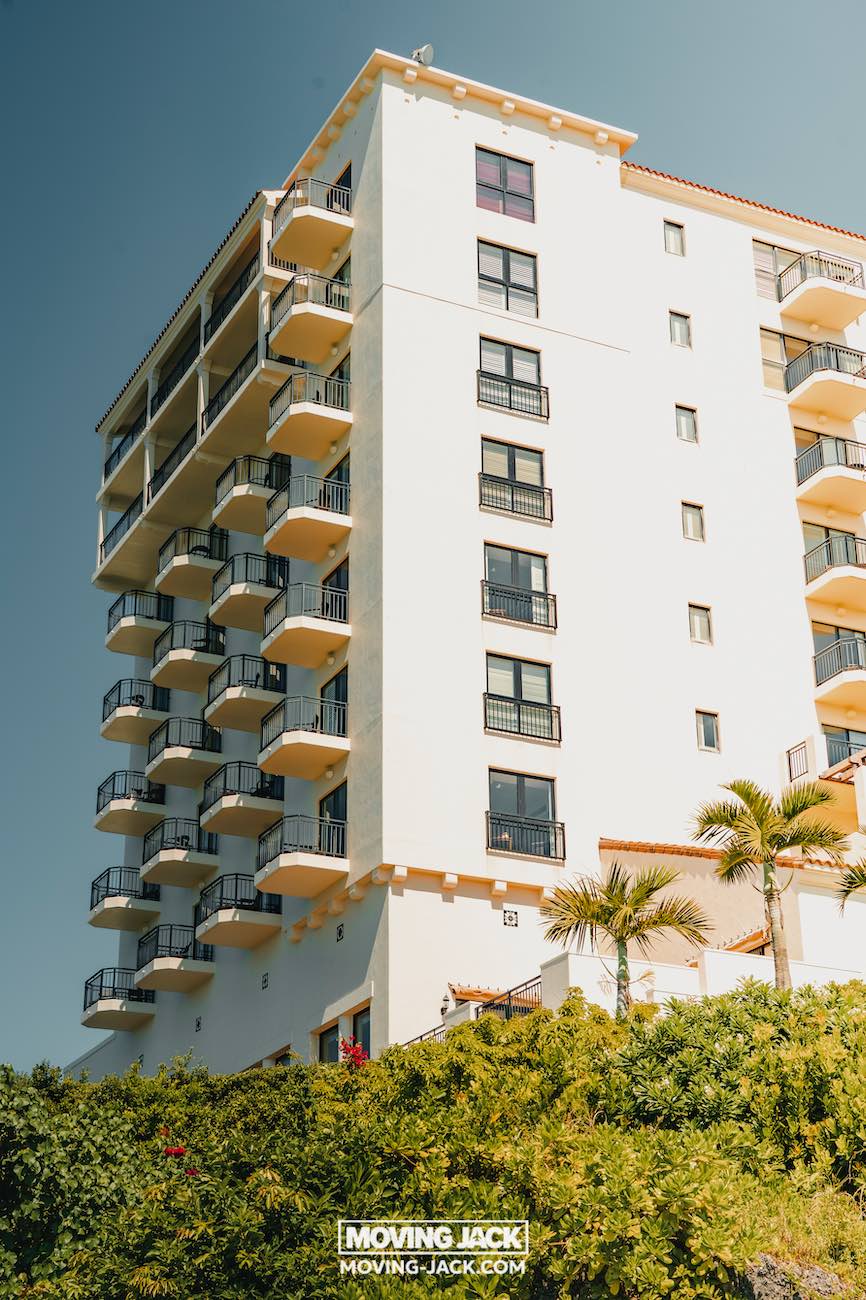
My top pick is Hotel Nikko Alivila, right on Nirai Beach. You can walk out in your swimsuit and be on the sand in 30 seconds. Great breakfast, pool, and beach gear for guests! They also have a giant jellyfish net, so it’s perfectly safe to swim there.
For a full breakdown of the 4 best areas and my hotel picks for every budget, check my Where to Stay in Okinawa guide.
My Favorite Hotels 🏨
Frequently Asked Questions
-
Yes. Streets are well-lit in towns and crime is extremely rare. Just use common sense in nightlife areas around Naha’s Kokusai Street.
-
At beaches with lifeguards and jellyfish nets, yes. Avoid swimming outside netted areas in summer and check for currents at less developed beaches.
-
Typhoons are the main risk (June to October), but Japan’s warning systems are excellent. Earthquakes happen but are less frequent than on the mainland. Buildings are built to code.
-
I’d always recommend it, especially during typhoon season. Flights get cancelled and plans change. A good policy covers cancellations, medical, and delays. For medical issues, I always recommend Safetywing, as I’ve had great experiences with them.
Final Thoughts
Okinawa is one of the safest travel destinations in the world. The crime rate is nearly zero. The people are warm and respectful. The infrastructure is excellent. Even the natural risks (typhoons, earthquakes) are well-managed by Japan’s systems.
Go enjoy the incredible beaches. Just wear sunscreen.