


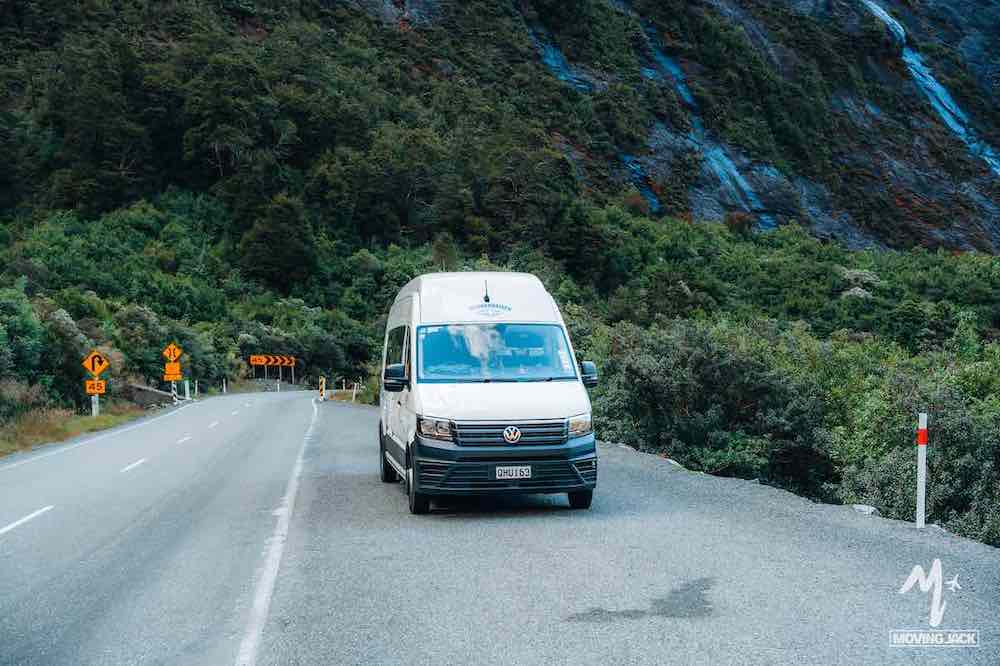
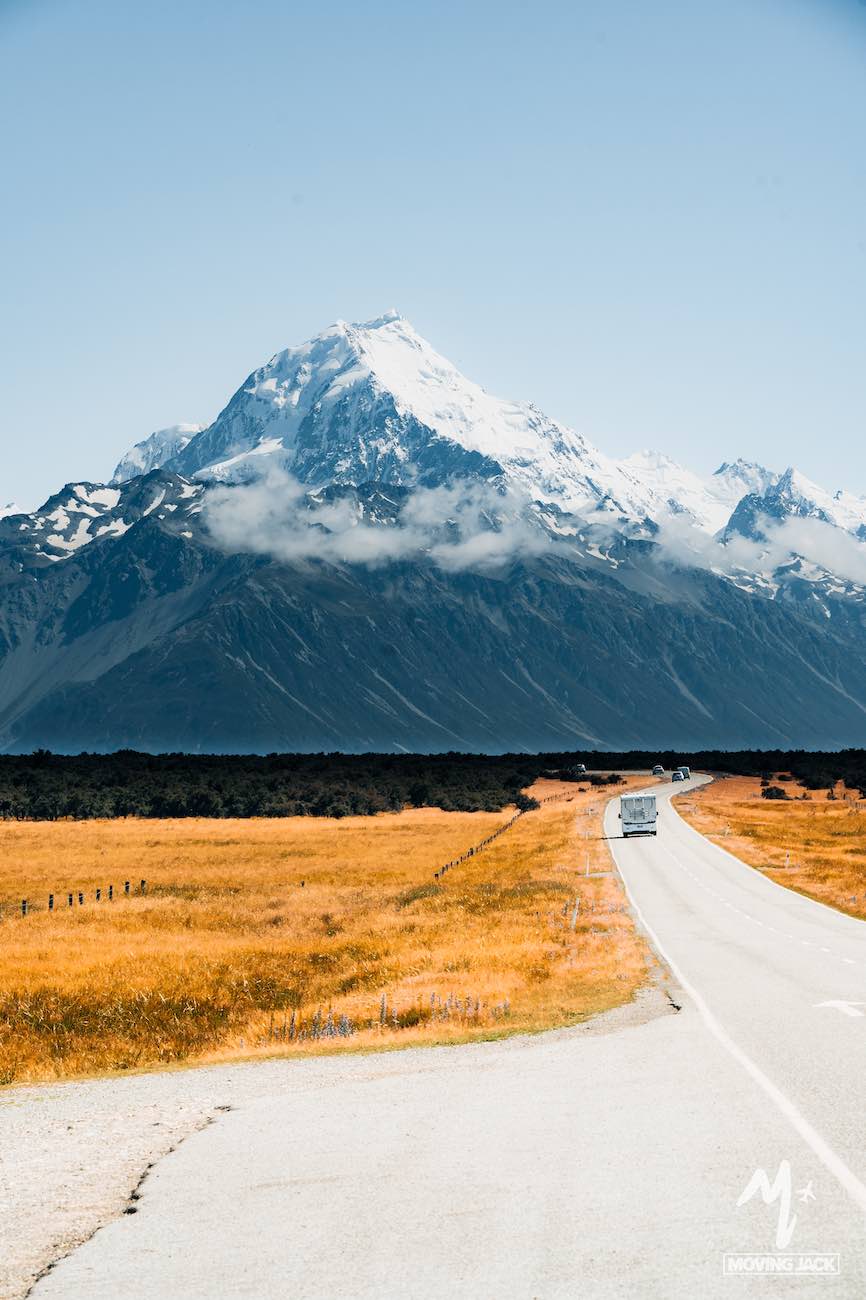
We spent three weeks driving a campervan around New Zealand’s South Island with our 2-year-old.
Before going, we asked ourselves the questions many times: Is it going to be worth it? It’s the most expensive trip we’ve ever taken (total costs around 11.000 dollars…!), and besides the costs, New Zealand is not around the corner, it’s a long journey! So, everything combined, is it worth it?
Now that we’ve returned safely home, I can answer this question for you, one you might be asking yourself right now as you research your New Zealand trip or plan your itinerary!
Normally, when going to most destinations, I can easily say, “Yes, it’s worth it.” Go to Hanoi, visit Beijing, it’s all totally worth it, but a 3-week campervan road trip is different.
What I can say up front is that it has been a unique and special experience, and I feel privileged to have had the chance in my life to do it.
Here’s my breakdown so you can decide if a campervan trip through New Zealand’s South Island is worth it or not:
Grab my full Itinerary of 3 weeks by campervan through the South Island here
7 Pros: Why It’s Worth It
Here are all the pros that make it worth it. I have to say up front that although I listed more cons than pros, some of these pros totally outweigh the cons!
1. You Wake up in Places Hotels Can’t Reach
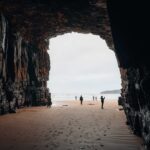
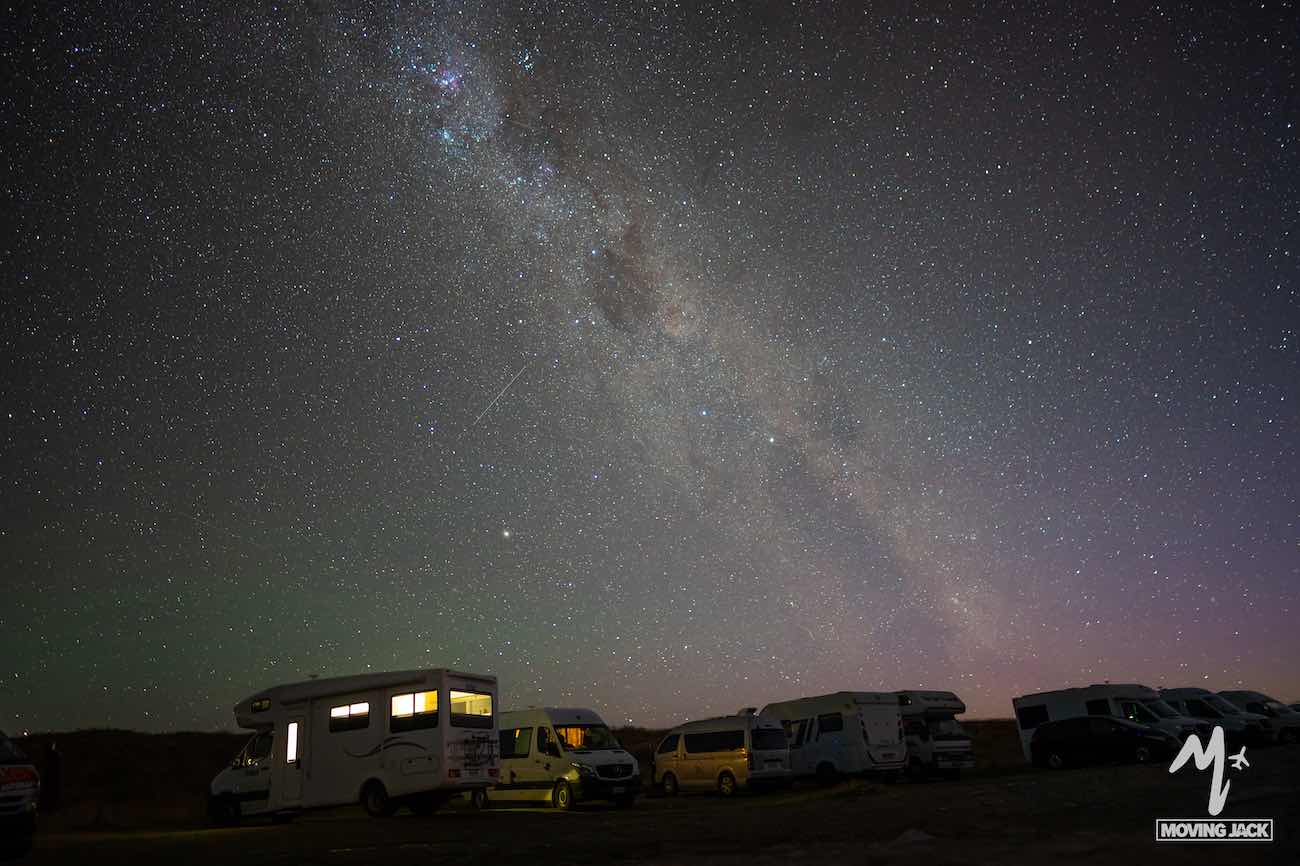
This is the real reason to do a campervan trip. The best nights of our trip weren’t at holiday parks. They were at DOC (Department of Conservation) campsites and freedom camping spots. Waking up next to a lake with nobody else around. Parked on a coastal cliff with the sound of waves as we did at Purakauni Bay. That’s what a campervan trip in New Zealand should feel like.
This photo I took here below was literally the view from our campervan:
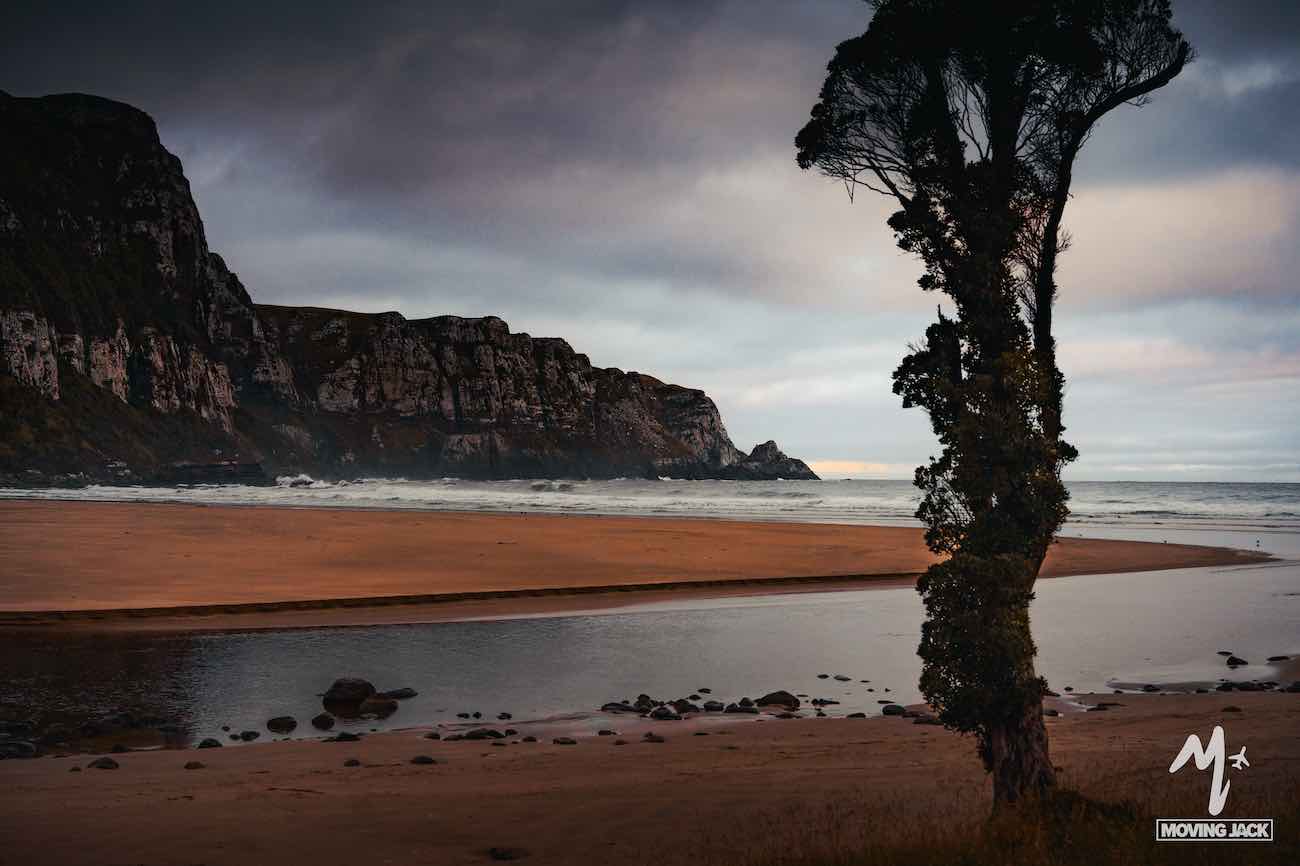
No hotel, no matter how nice, gives you this. You’re literally sleeping in the scenery like you’re part of a Planet Earth episode of the BBC.
These moments were the moments that made it worth it for me. A spot like Punakauini campsite at the beach was one of the best places to stay.
While there are plenty of amazing Airbnbs in New Zealand in great locations, none of them are in the raw nature where there is no one around, places that feel like you’re in a nature documentary.
2. Campervan Saves You Money
Eating out in New Zealand is expensive. A basic burger and fries costs $20–25 NZD. A dinner for two easily hits $80–100 NZD. But every campervan has a kitchen. We cooked 90% of our meals and saved hundreds of dollars.

Mix in DOC sites ($8–15/night) and free, freedom-camping spots, and the daily cost drops a lot compared to hotels, restaurants, and a rental car. We stocked up at Pak’n Save on day one and barely ate out the entire trip, maybe like 3 times in 3 weeks.

We stocked up on the first day, which saved us a lot of money by not going out to eat for the first week.
3. Total Freedom
No driving to a restaurant for dinner. No packing and unpacking bags every day. If you find a spot you love, stay another night. If the weather changes, change your route.
With a toddler, this flexibility was everything. Bad nap? Pull over and wait it out. Found an amazing beach? Stay till sunset. The campervan removes a lot of the pressure of a fixed itinerary. While we had to pre-book camp sites, sometimes we could easily change our itinerary the next day. Compared to Airbnb’s, which you have to pre-book, or they will sell out.

4. the South Island Is Built for It
Campsites are everywhere. DOC sites, holiday parks, freedom camping spots. The roads are good (mostly). The CamperMate app shows every campsite, dump station, and public toilet in the country. The infrastructure just works.
New Zealand also isn’t as vast as people think. Drives between stops are rarely more than 2–3 hours, which is manageable even with kids.
And before we went, I read about certain roads that are too dangerous to drive on, as you might have as well, while researching your trip. But I honestly never felt like any road was unsafe. It’s perfectly fine to drive anywhere on the South Island; just take it slow and keep in mind that you’ll need a few extra meters to come to a complete stop when you hit the brakes.
5. a Campervan Works with a Toddler
I was a bit nervous about this. Three weeks in a van with our 2-year-old sounded like a recipe for disaster. It was the opposite.
Our son loved the campervans. Everything is right there. Toys in the back. Snacks within reach. A bed that’s always in the same place. Our son adapted within a day. The routine of driving, exploring, cooking, and sleeping in the van became normal quite fast.
Holiday parks often have playgrounds. DOC sites have nature. Beaches are everywhere. You never run out of ways to entertain your kid.
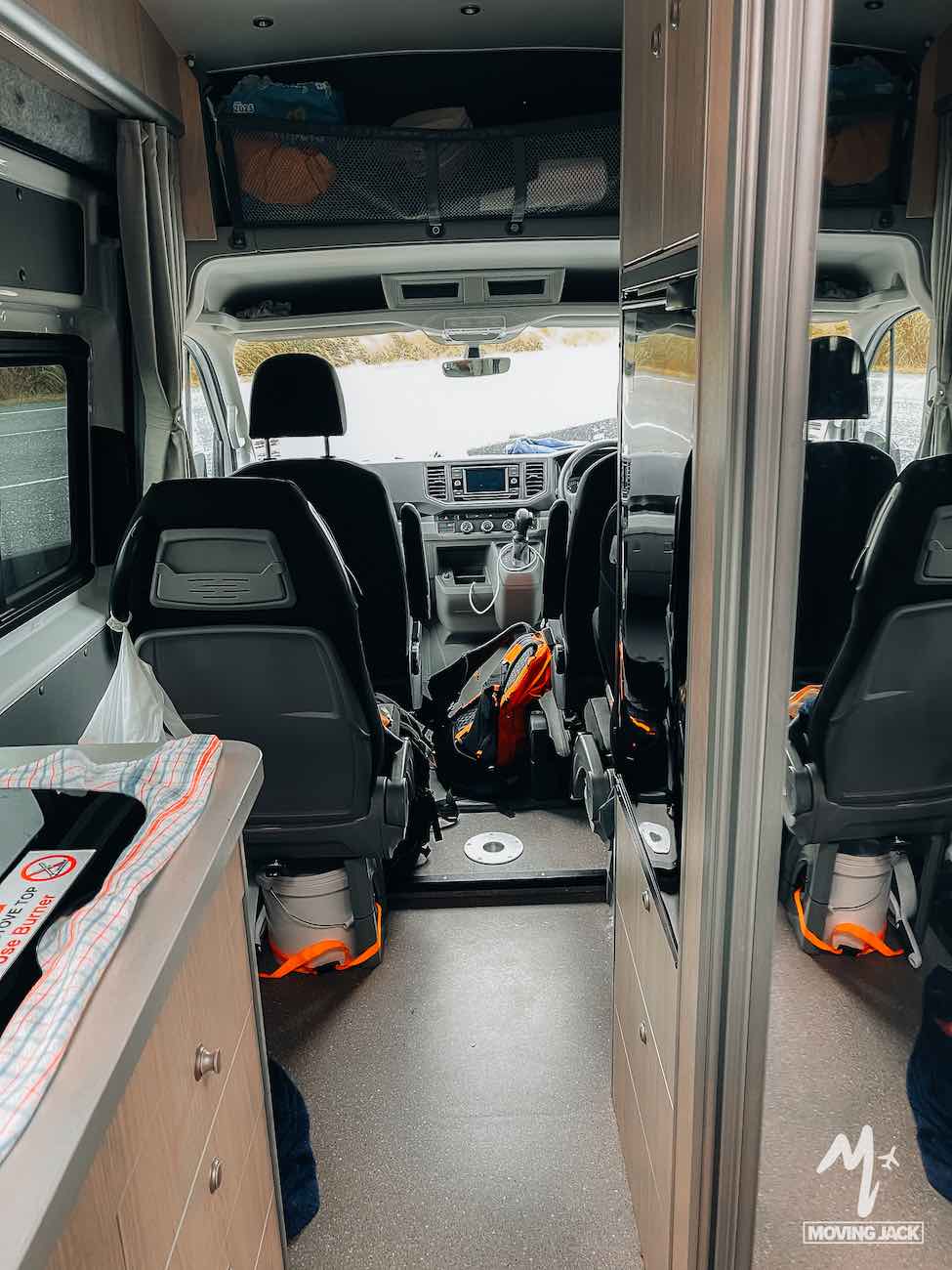
Tip: Choose a campervan with the rear seats right behind you. So ours was basically a transformed van with regular seating. You really want this, not the regular campervan, where the rear seats are way farther back. This made it super easy for my wife to entertain our son and give him food while I was driving.
Staying at multiple Airbnbs means packing up your bags again and getting accustomed to a new place to sleep every time. Our son sleeps often between us, and at an Airbnb, you never really know if you’ll have a queen-size bed or twin beds…
6. the Quality of Groceries Is Incredible
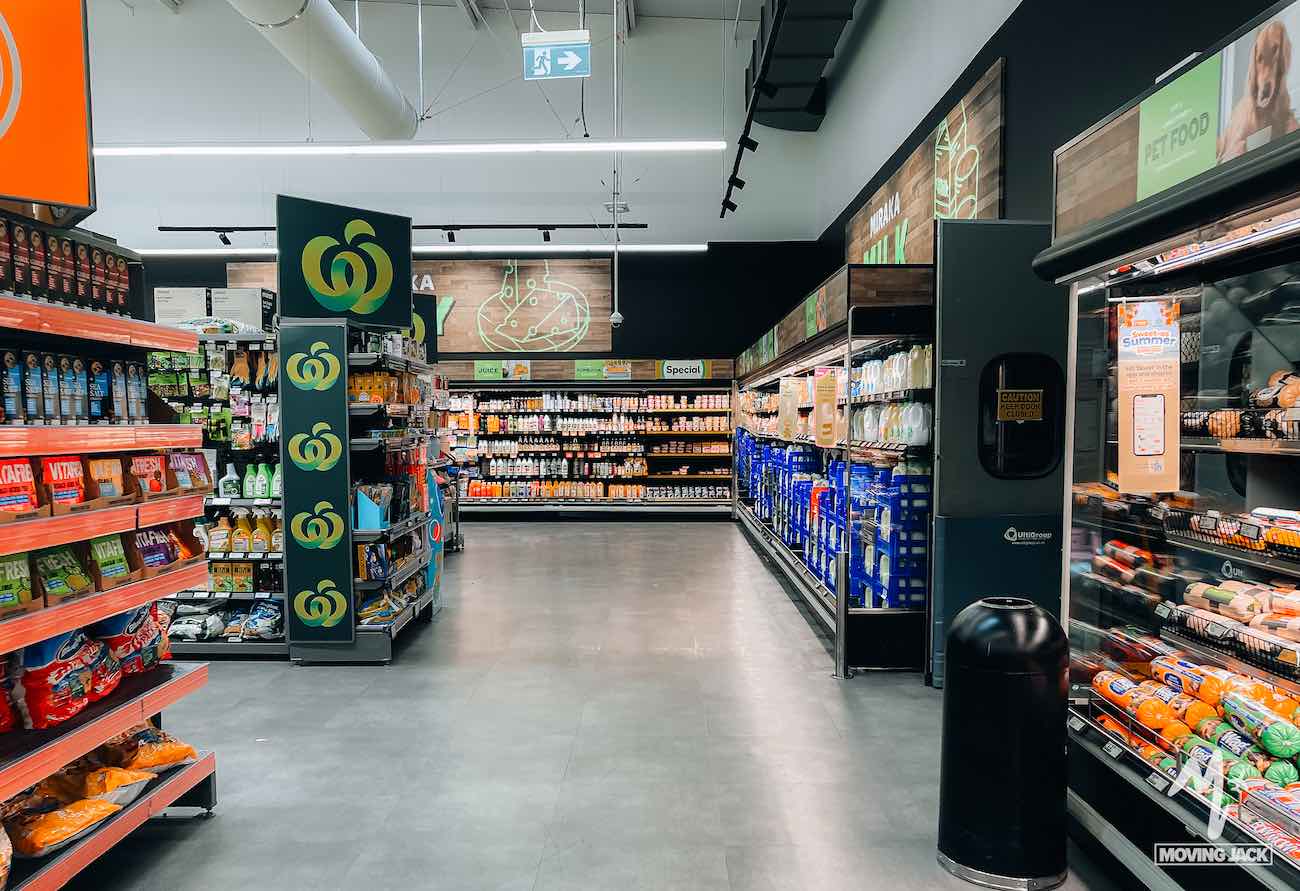
This surprised us. The vegetables, fruit, meat, and dairy in New Zealand are genuinely excellent. Coming from Seoul, where some fresh food can be hit or miss, cooking in the campervan felt like a luxury. Fresh eggs, amazing bread, great coffee from local roasters. Grocery shopping actually became a real highlight, and the stores are huge, so plenty of space for our son to explore.
Especially since we lived in South Korea when we went to New Zealand, and big supermarkets are in Seoul, it was super refreshing to have all this healthy food to choose from.
If we had stayed at Airbnb, it surely wouldn’t have been possible to make dinner every night, and the amount of groceries we bought probably wouldn’t have fit in the car.
7. You Meet Other Travelers Naturally
At campsites, you meet other families, couples, and solo travelers doing the same route. It creates this friendly vibe on the road. Our son made friends at playgrounds in holiday parks, and we got some great tips from other campervanners. Some of them are doing a road trip for 4 months!
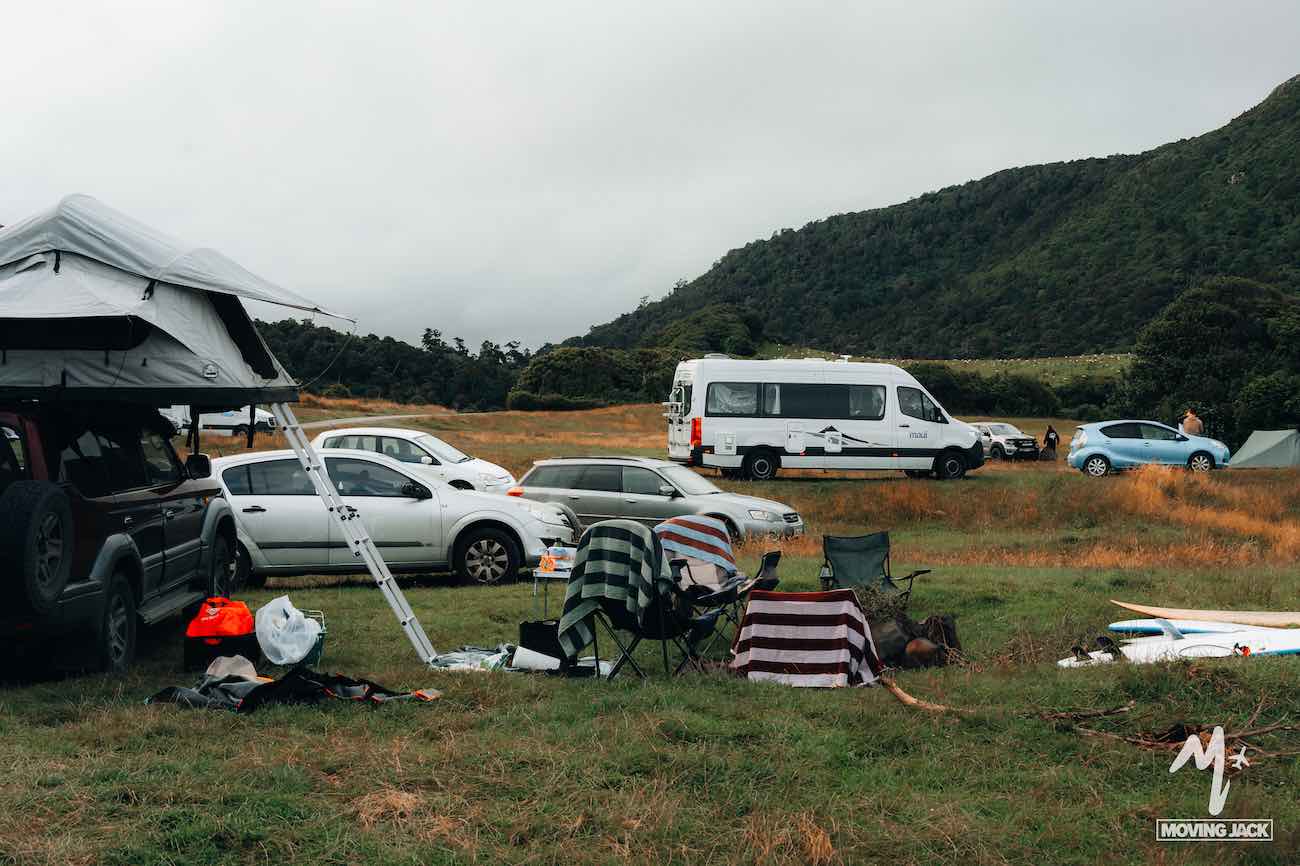
And at campsites, it often happened that other campers brought us food and stuff because it was their last night and they didn’t need it anymore, how nice!
And what was even crazier is that someone came to us and said, “Hey, there is a great bakery down the hill in town, would you like some croissants? I’m getting some tomorrow morning.” He brought us the croissants, and we paid him back later that morning. How incredibly friendly was that!
So staying at campsites is a really easy way to connect with other fellow travelers and to get some great insider tips! We learned about the hike along Lake Tekapo from a friendly fellow traveler.
I kind of mentioned this before, but I just wanted to point it out again. Going with a campervan through New Zealand is just the best way to go:
- Staying at remote spots (The biggest pro)
- The driving pace lets you enjoy the scenery more
- The country is built for campervans
- Road conditions are great
- It saves you money on eating out
- You meet other travelers more easily
8 Cons: Why It Might Not Be Worth It
1. the Huge Amount of Preparations
The sheer amount of prep work sets this trip apart from a typical vacation. I’ve never had to prepare more for a trip than for a New Zealand road trip:
- First off, getting the international driver’s license is only valid for a year or two, so you have to get it at a certain time.
- Getting the right hiking and camping gear
- Researching the campervan rental companies (We chose Wendekreisen eventually)
- Deciding on which island to go to
- Deciding on the itinerary (this took the longest)
- Getting the right flight tickets (transfer in Auckland or Singapore?)
- Getting comfortable clothes for all seasons, including for our son.
While I enjoy preparing for a trip, it’s just something that makes it stand out compared to other trips, where you just book flights and a hotel.
2. You’re Living in a Small Space
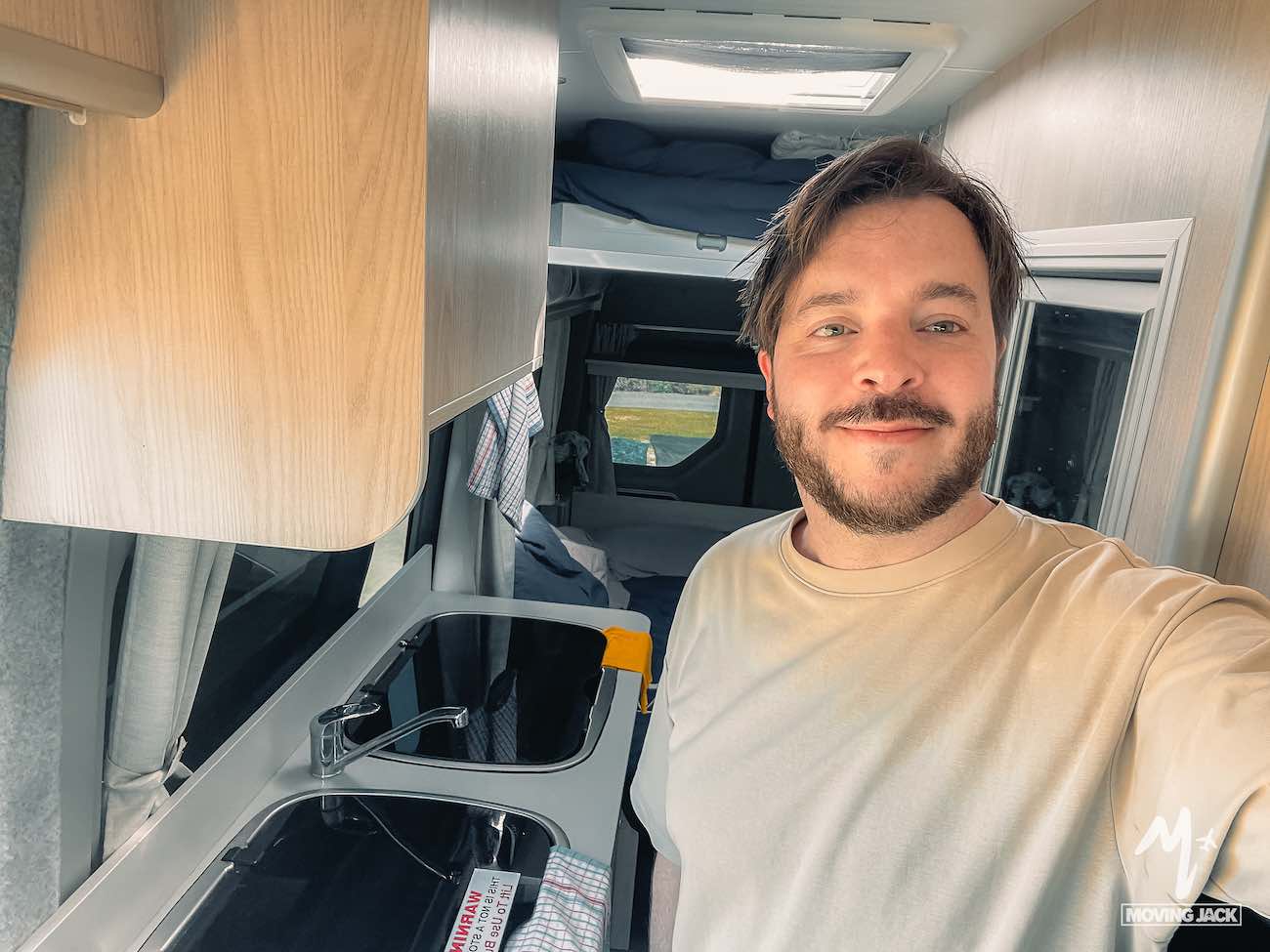
A campervan is not a hotel room. Cooking, eating, sleeping, and existing all happen in the same few square meters. With two adults and a toddler, things get cramped. Especially on rainy days, the space inside the van will feel small.
After a few days, we kind of developed a system, but those first few days can be frustrating.
3. Showers, Toilets, and Dump Stations
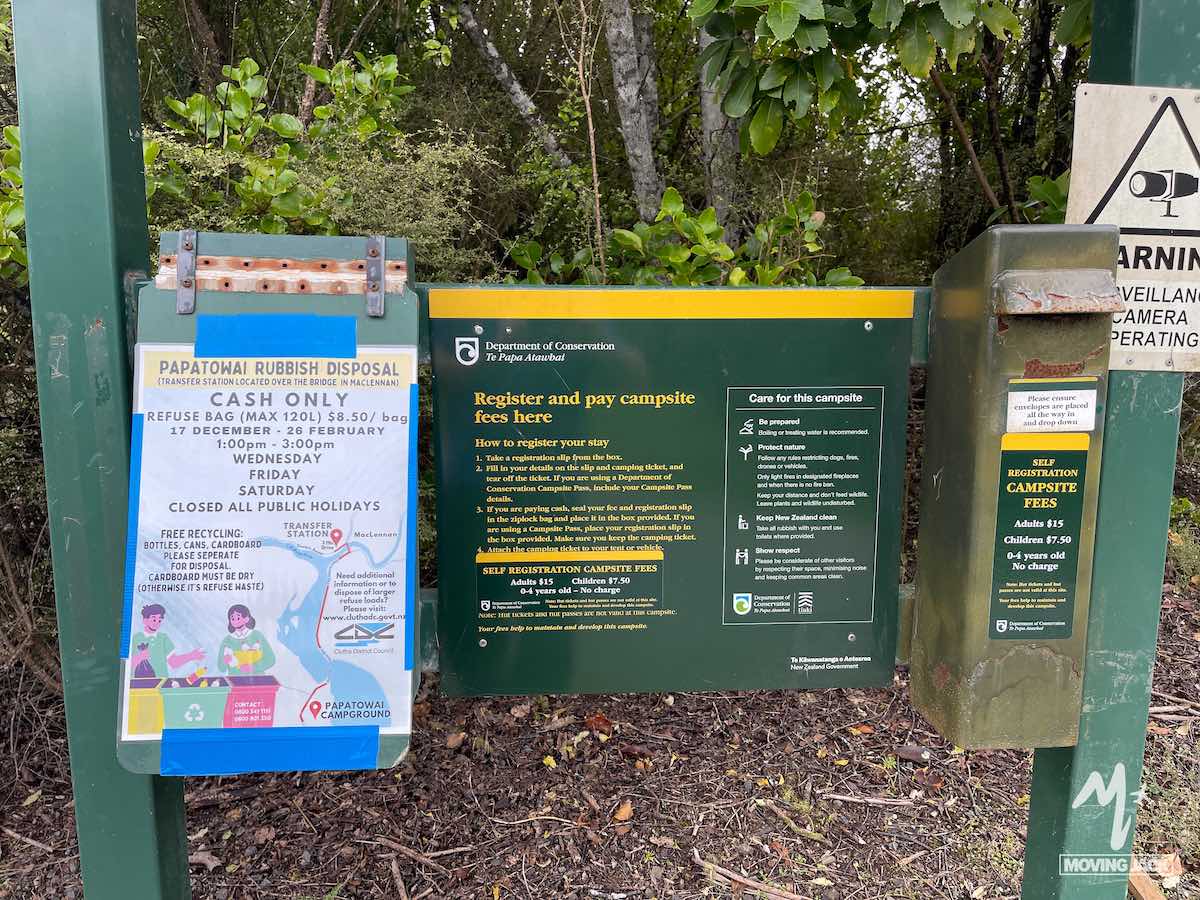
DOC sites and freedom camping spots often don’t have showers. Some have basic toilets, some have nothing (your van’s toilet handles it). You learn to time your holiday park stays so you have a proper shower and a chance to do laundry.
My recommendation: aim for roughly 30% holiday parks, 40% DOC sites, and 30% freedom camping. Use holiday parks every 3–4 days for laundry, hot showers, and recharging.
While there always are showers and other facilities on holiday parks, it’s still not the same as a hotel or Airbnb, of course. It’s still a camping toilet that, for some, is not the most pleasant place to spend time.
The other thing is dumping the toilet and grey water at dump stations. Obviously, it’s great to have your toilet always with you, but that means you have to empty it as well, and it’s not the most fun task to do. Although after a few times it became automatic.
It did happen a few times that our grey water overflowed into the shower cabin, and it smelled really bad.
4. Some Spots Are Overhyped on Social Media
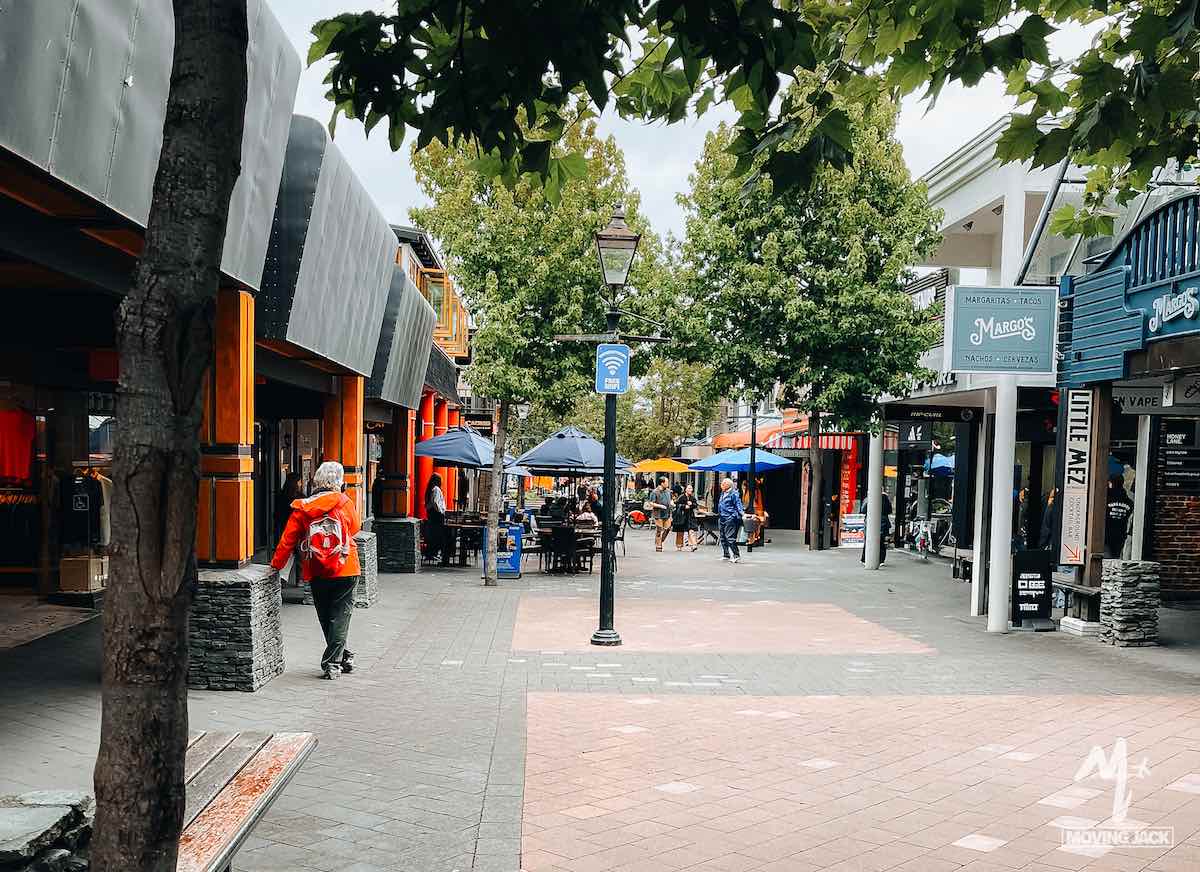
There, I said it! Some spots truly are. And I understand that each and every one’s experience is different, but for me, personally, I found some places not worth visiting. Places I found a bit underwhelming were: Queenstown (the city center, not the surrounding area, of course), Blue Pools, and Dunedin.

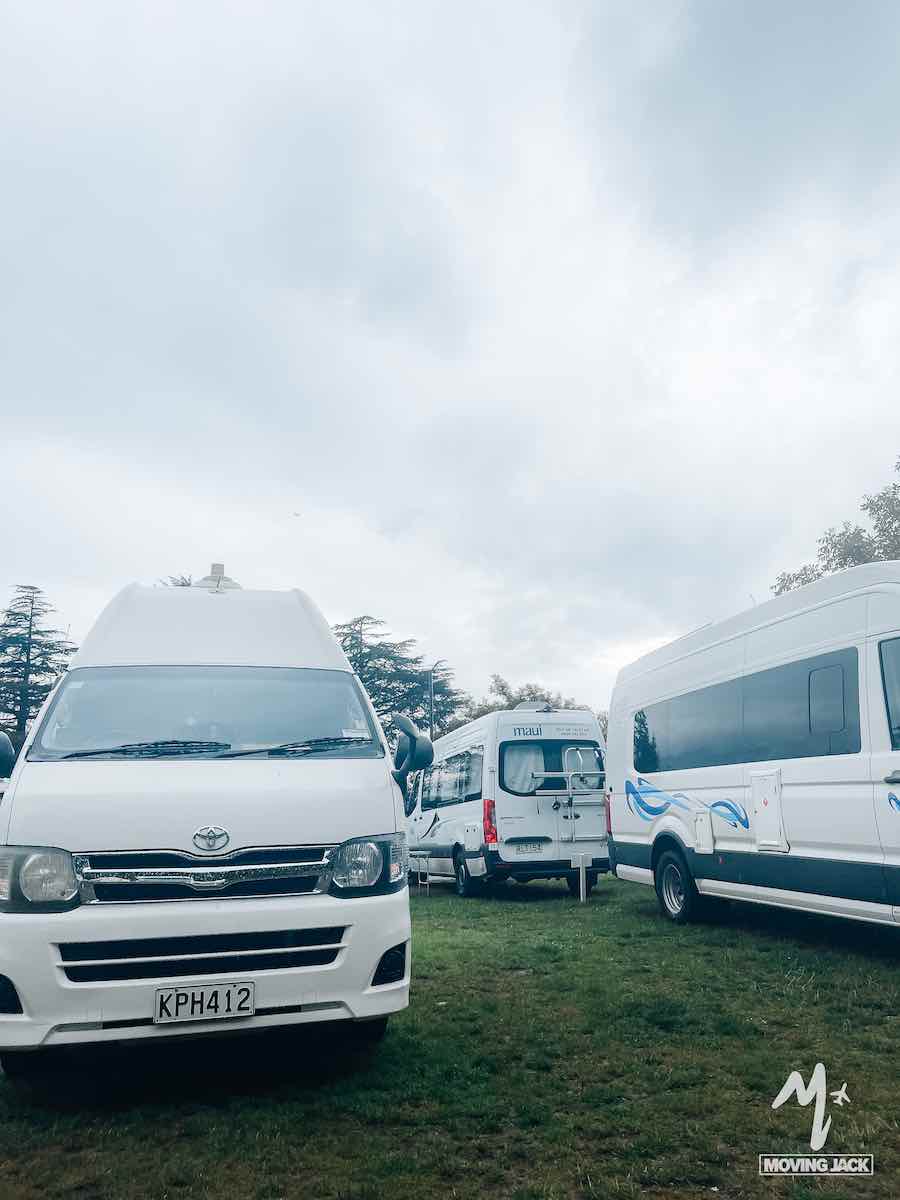
I also found several camp sites, that weren’t cheap, to be a bit underwhelming; some of them were just parking lots on a field of grass:
That said, there were plenty of spots that exceeded our expectations!
5. Popular Spots Fill up Fast in Peak Season
Mount Cook’s White Horse Hill campground books out weeks ahead. Anything near Milford Sound and Queenstown fills up fast. Freedom camping spots require arriving by 2–3 pm in high season to get a spot.
I found this to be one of the biggest cons: planning ahead during the high season. If you are going outside high season, you will not have to worry about this. But during peak season, you will have to pre-book campsites for the entire trip, which makes the journey less flexible, but with a campervan, you really want to be flexible, which is why you rented one! So that’s something to keep in mind.
Moreover, not all camp sites are as straightforward to book as others. Sometimes we had to call a number that was only available between 9 and 10 am, or 4 and 5 pm..!
So, book the popular campsites in advance. We did our trip in January (peak summer), and the planning saved us multiple times.

6. It’s Not Cheap to Rent
The campervan rental itself isn’t cheap. In peak season (December–February), a decent family-sized van runs $150–250 NZD per day. Add fuel, campsites, and insurance, and the daily cost adds up.
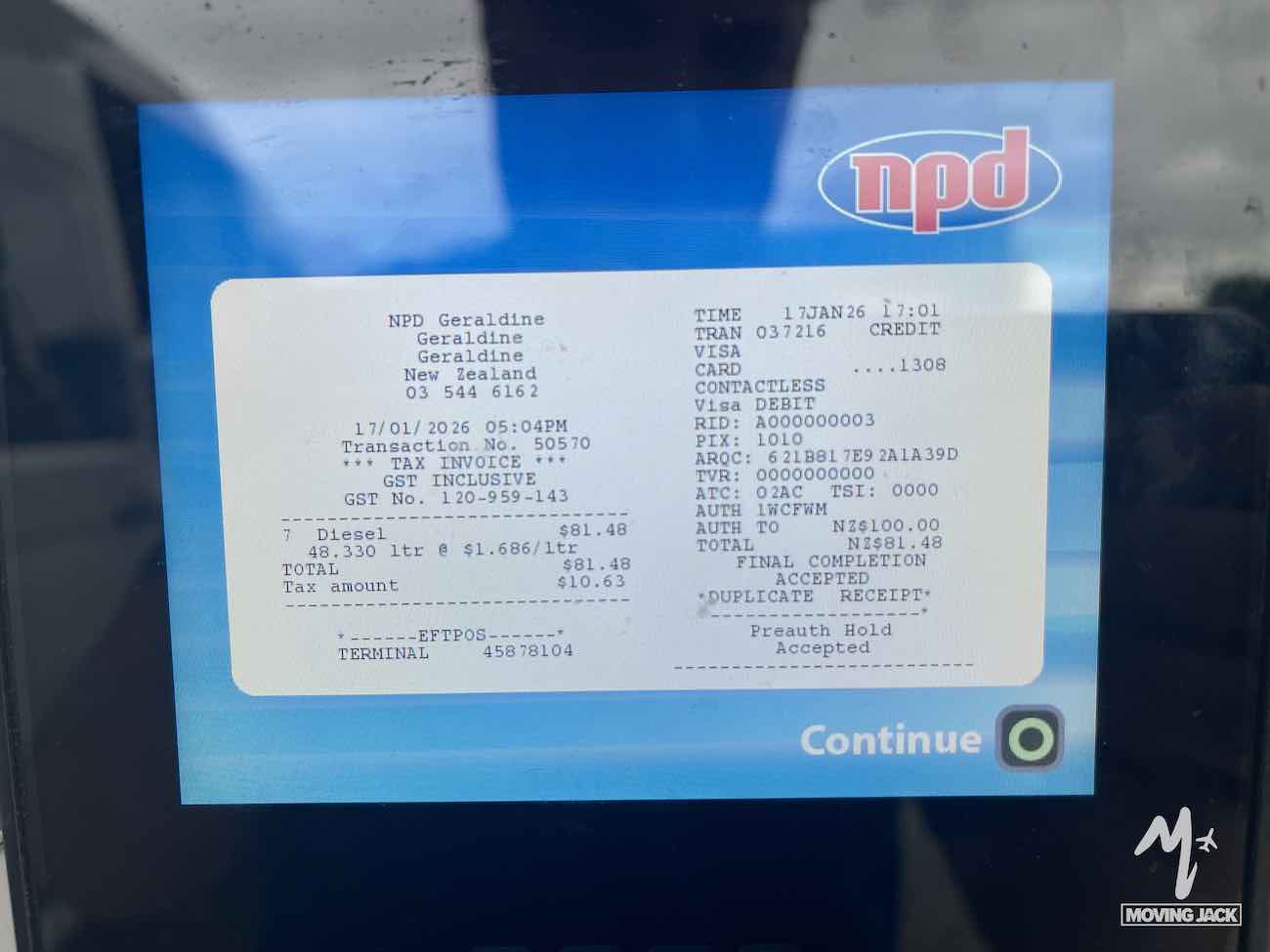
Where you save is on food and accommodation combined. But don’t go into it thinking a campervan trip is a budget option. It’s a different way to spend the money, not necessarily a way to spend much less money.
But staying at several Airbnbs, you still have to rent a car, which isn’t cheap either.
7. Driving Fatigue Is Real
3,000 km over 3 weeks is a lot, and New Zealand’s roads are winding, often single-lane, and require concentration. Some drives through mountain passes feel long, especially with a tired toddler in the back. And with a campervan, you’re just less fast than with a regular car.
Keep drives under 3 hours per day if possible. Plan stops. Don’t try to cover too much road in one day. The scenery is the point, not the destination.
8. Lack of Exploring (unexpected)
While there are plenty of hiking trails, New Zealand is not a country where you can just go explore into unknown territory. You’re pretty much stuck on the road with not that many places to stop because everything is farmland and owned property. This is different from Canada, Scandinavia, or even Oman, where there is a lot of open terrain not owned by anyone, where you can explore and go hiking.
There also aren’t that many roads where you can go into and just see where you’ll end up. It’s a few roads that everyone takes, so you often meet the same people from the day before.
So exploring the South Island of New Zealand just feels a little like you’re on a carousel, stuck with the tourist attractions.
I know this is not a popular opinion, and I totally understand that letting every tourist just wander around in nature is not possible; it would cause a lot of damage, and they preserve nature really well in New Zealand. Personally, I like to explore and just set up camp anywhere.
So the combination of the very few roads and almost all the terrain set off with fences just diminished that true feeling of exploration.
This is the route we took. When you inspect the map, you can see there are a bit limited options to take:
Campervan vs Hotels: Which Should You Choose?
Choose a campervan if: you want freedom and flexibility, you’re OK with cooking your own meals, you like waking up in nature, and you have at least 2 weeks.
Choose hotels if: you need comfort and space, you prefer eating out, you’re doing a shorter trip (under a week), or you’re not comfortable driving a large vehicle on winding roads.
The honest answer: for the South Island, a campervan is the better experience. It’s what the island was made for. Nature is the attraction, and a campervan puts you right in the middle of it!
Essential Tips
Here are 4 tips we learned along the way:
- Book early. We booked in May for January. Prices go up, and availability drops fast.
- Download CamperMate. The app shows every campsite, freedom camping spot, dump station, and toilet. We used it daily.
- Stock up on day one. Hit Pak’n Save or Countdown right after picking up the van. Buy pasta, rice, eggs, bread, canned tomatoes, frozen veggies, coffee, and snacks.
- Mix your campsites. Holiday parks have showers and laundry. DOC sites for nature. Freedom camping for the magic.
My Verdict
Now, while I mention more cons than pros in this article, some of the pros weigh more heavily than many of the cons. So yes, a campervan trip in New Zealand is absolutely worth it. It’s the best way to experience the South Island. Not the easiest, not the most comfortable, but hands down the most rewarding.
But I want to be honest about something: this was the most expensive trip we’ve ever done. Flights, 3 weeks of campervan rental, campsites, fuel, groceries, and a few tours. For two adults and one toddler, we spent almost $11,000.
Let that sink in. For that same money, you could do like five trips to Vietnam or a 2 months in Thailand.
I’m grateful we were able to do it. The nights at DOC sites and freedom camping spots, waking up to mountains and lakes and coastline with nobody around, those are memories that will stick with me for life. But it’s not a budget destination. Not even close.
If New Zealand is on your bucket list and the budget works, do the campervan. You won’t regret it.
Save it so it's ready when you need it.